TumblrPics.com
HOME
DMCA
Live
Gallery
Viewer
4th Century
wentworthmillergr
passingby
hq daishou
zhang he
nicodangelo
LIVE
cma-greek-roman-art:Apulian Frog Guttus, 4th century BC, Cleveland Museum of Art: Greek and Roman Ar
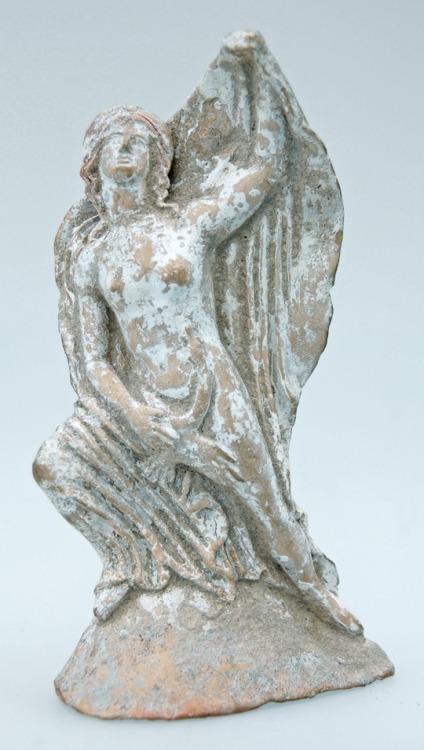
Leda and swan* 4th century BCE* terracotta* 17,5 cm* Friecrich Schiller University, archaeological c
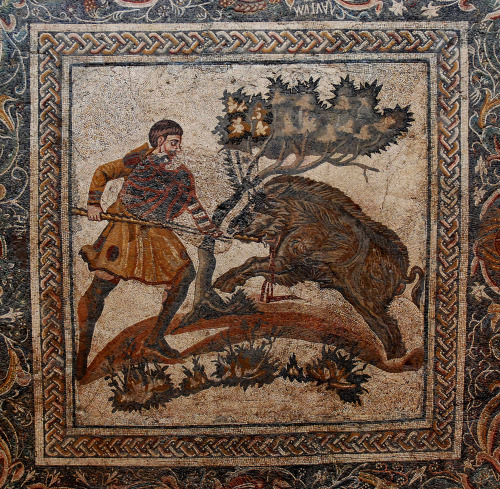
kallistoi:fictorvm:Floor mosaic, 4th century CE, from a Roman villa near Mérida, Spain.The Ancient R
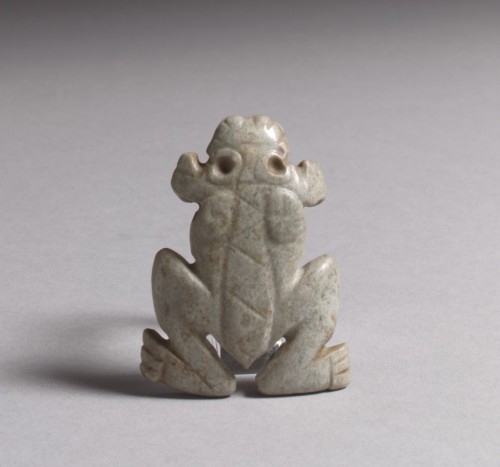
tlatollotl:Jadeite frog pendantCosta Rica. 4th to 8th century ADThe color of Mesoamerican jade, ofte
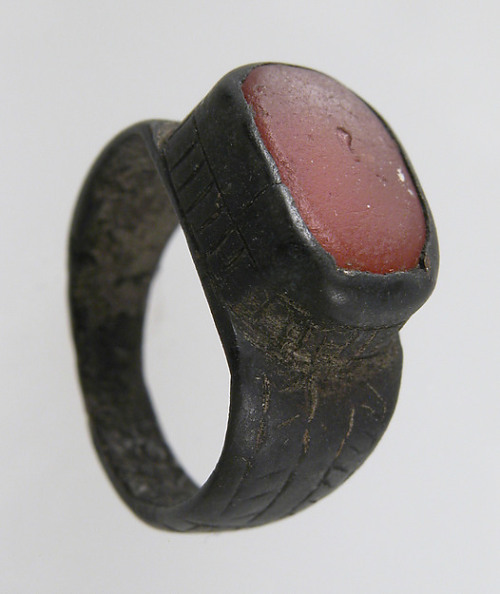
Frankish ringMade in Kuhn, Northern France, 1st–4th century ADSilver, carnelianFrom the Metropolitan
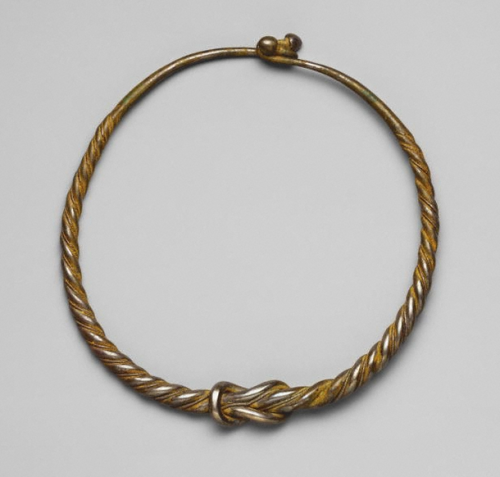
archaicwonder:Northern European Silver Torque, late 4th century BCSilver torque is fashioned as two
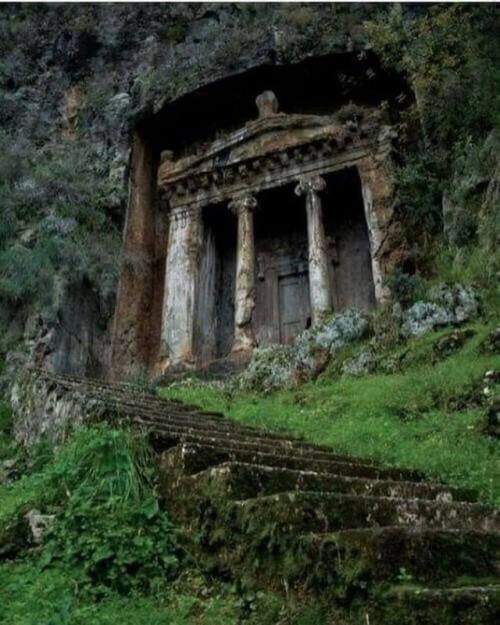
4th Century Lycian Tomb in Fethiye Turkey
tintinnabulums:Figurine of haruspex. From the right bank of the Tiber. 4th century B.C., bronze. Gre
Mosaic, dated 4th century B.C.E., depicting Hermes, Hades and Persephone. Recently uncovered at the
archaicwonder:An Illyrian bronze helmet made into a cooking pot, 5th/4th century BC Bronze with gree
theancientwayoflife:~ Figure of a Woman.Date: 4th century B.C.Place of origin: Tanagra, GreeceMedium
ancientpeoples:Aryballos Greek (found near Olympia), 6th - 4th century B.C.Small oil or perfume flas
ancient-serpent:Gold wreath of a Thracian aristocrat (ca. 4th century BCE), from Golyamata Mogila (B
coolartefact:Roman Glass Cup with Medallions, From the Rhine Valley, C. 1st Half of the 4th Century
ancientpeoples:Gold Earringmid 4th Century BCClassical Greek(Source: The Met Museum)
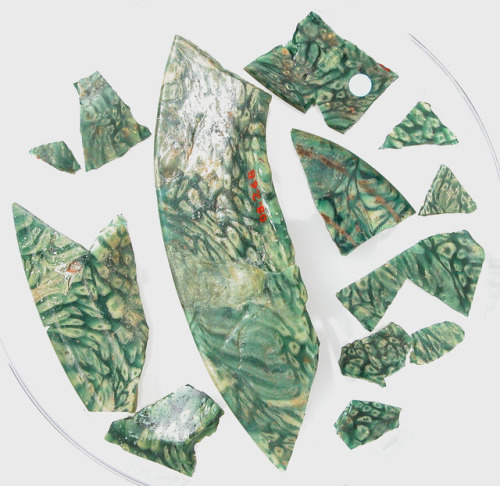
met-medieval-art:Glass Fragments from a Vessel via Medieval ArtMedium: Glass (green)Rogers Fund, 190
Palazzo Massimo - early Roman bronze coinsAes grave (heavy bronze), 4th century BCE(Pic 2: Roman As
Aphrodite* 4th century BCE* Fanagoria. Taman peninsula* Hermitage source: Joanbanjo / CC BY-SA (http
jackviolet:18th century embroidery.The first 3 pictures are embroidery, the 4th is not. And the firs
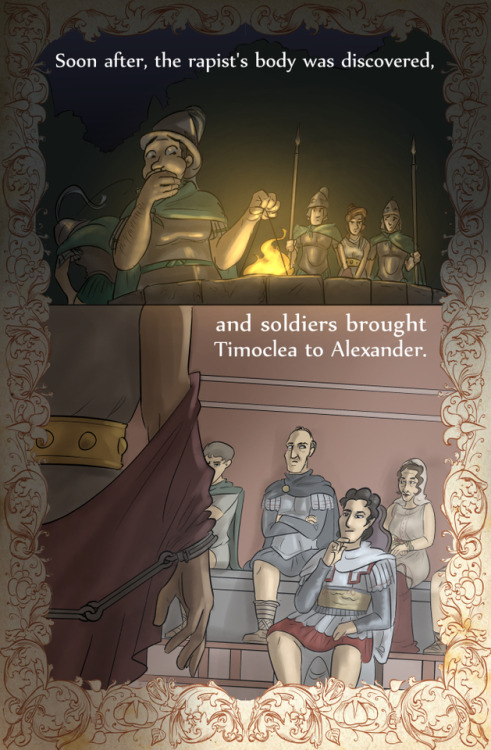
rejectedprincesses:Timoclea (4th century BCE): the Woman Who Threw Her Rapist in a WellThis was not
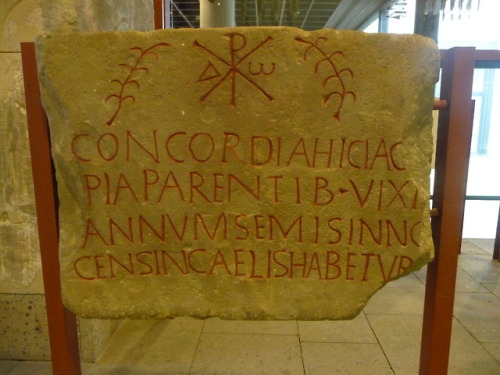
Tombstone of Corcordia, who lived only six months * Romano-Germanic museum* 4th/5th century CECologn
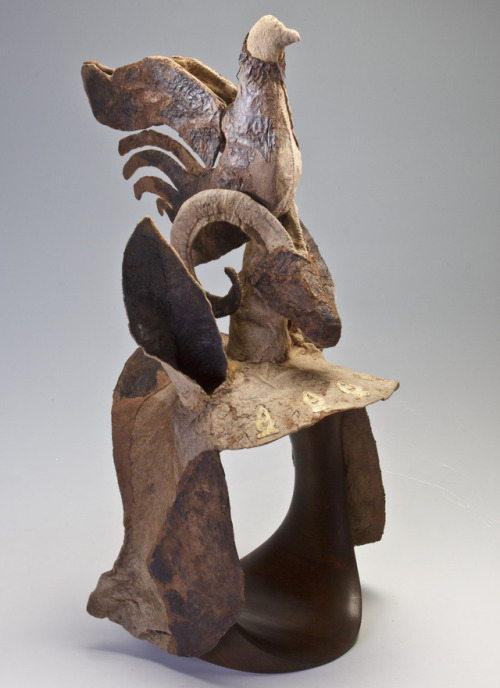
historyfilia:Scythian horse headgear Late 4th–early 3rd century BC.Scythian horses were buried with
met-medieval-art:Glass Fragments from a Vessel, Metropolitan Museum of Art: Medieval ArtRogers Fund,
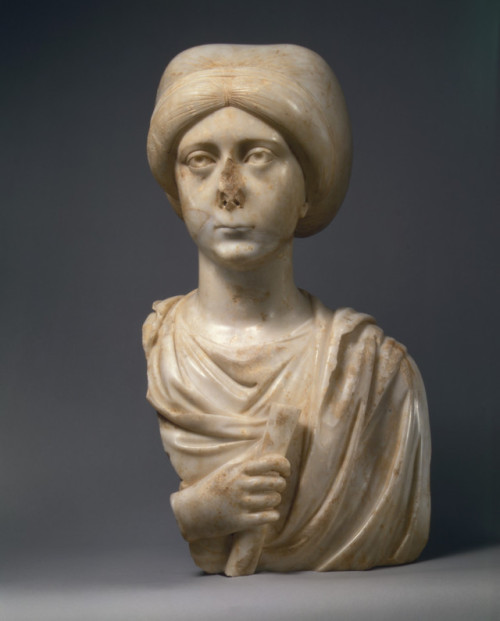
historyfilia:Marble Portrait Bust of a Woman with a Scroll. Byzantine, late 4th–early 5th century.Th
Prev Page
Next Page