TumblrPics.com
HOME
DMCA
Live
Gallery
Viewer
Ach
emma darcy
flooftythe journalist
burnouts
dnd kin
scandalsgif
LIVE
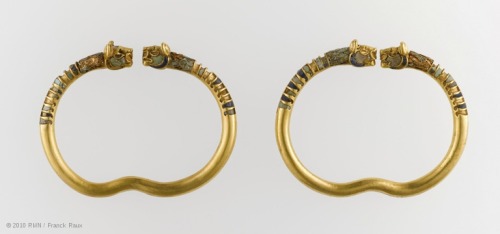
Gold Achaemenid bracelet, Ancient Persia
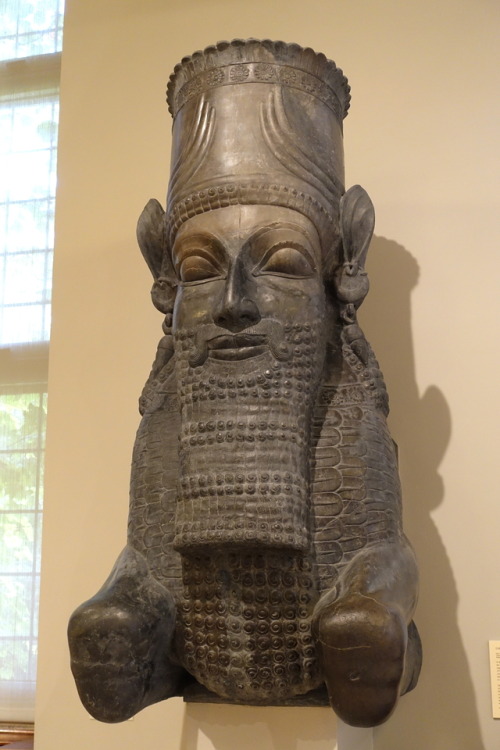
Winged sphinx from Darius’ palace at Susa, c. 510 BC
AN ACHAEMENID INLAID GOLD BUTTON circa 6th-4th century b.c. With a quatrefoil lotus motif, the petal
Achaemenid golden bracelets with lions’ heads and lapis lazuli on the outer rim. Found on the
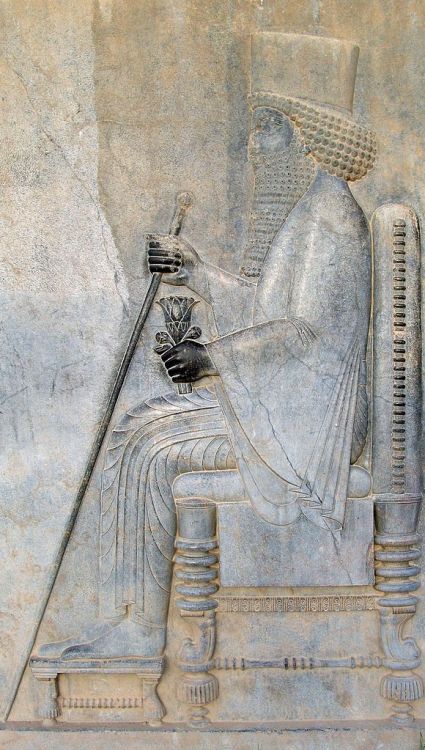
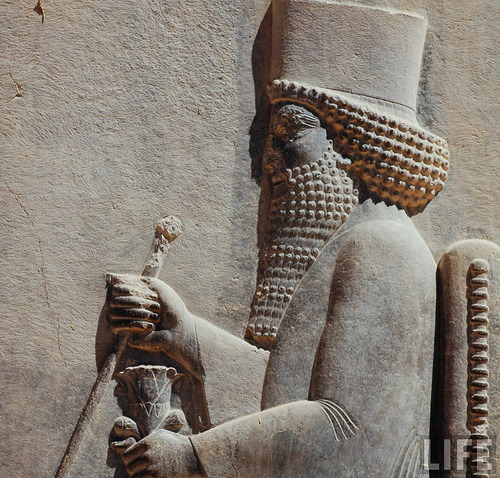
Relief of Persian King Darius I (c. 550–486 BC) in Persepolis
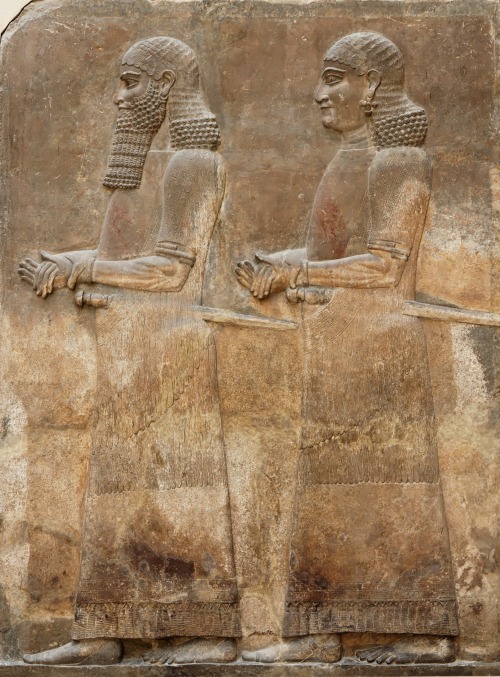
Two civil servants. Relief from the room N°11, Palace of Sargon II at Khorsabad (Dur Sharrukin), 713
archaeheart:Persepolis, Iran // August, 2018
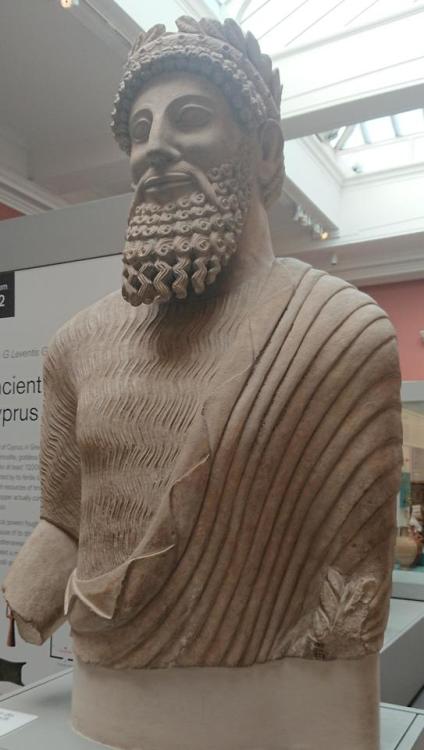
historyarchaeologyartefacts:Limestone Cypriot statue from the Achaemenid era, showing a characterist
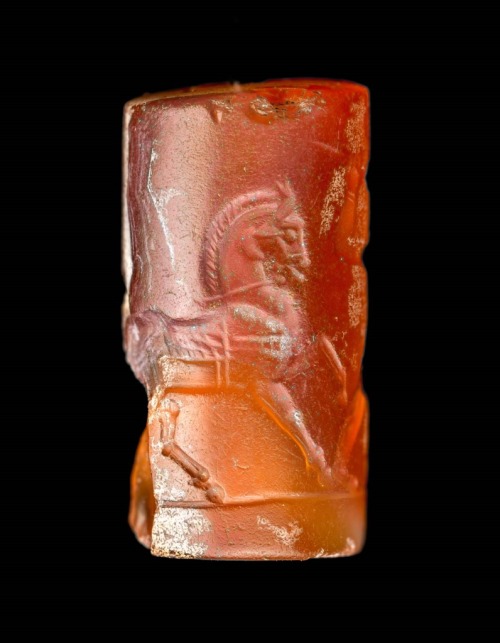
Cylinder seal with Persian hunter and horse, carved in sard. Persian Achaemenid period, 550-331 BCE
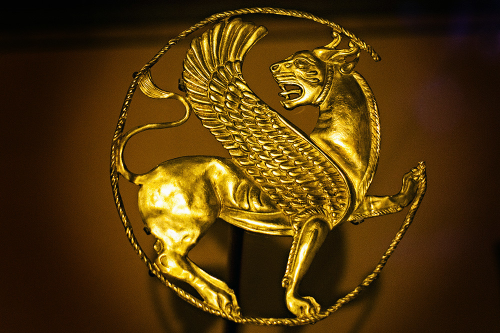
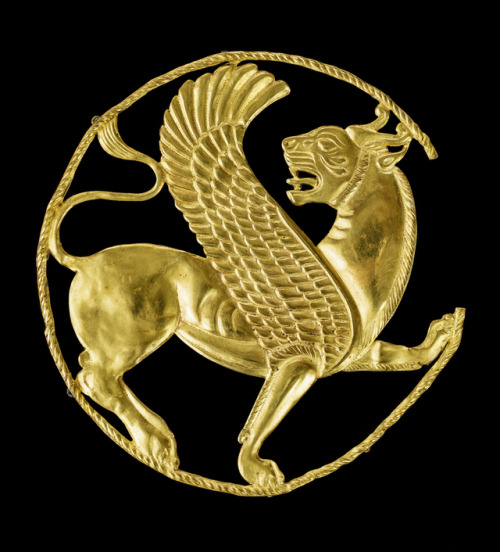
historyarchaeologyartefacts:Achaemenid golden ornamental roundel from the reign of Artaxerxes II, fe
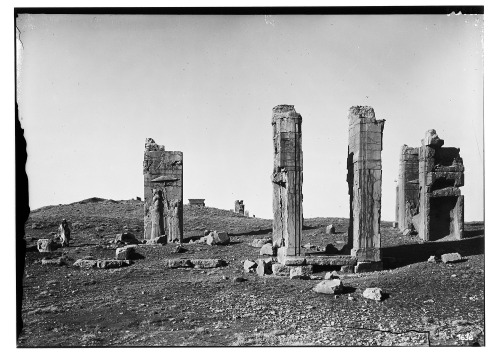
“Excavation of Persepolis (Iran): Tripylon (Council Hall): View of the Three Stone Doorways of the M
historyfilia:Achaemenid gold medallionFrom Iran, Achaemenid period (550-330 BC)
Column capital in the shape of a man-bull hybrid, from the palace of Xerxes I (r. 486-465 BCE) at Pe
treasures-and-beauty:Iran, Achaemenid ornamental Lapis lazuli plate, ca 500-400 BC.
Caria, Achaemenid Period. Circa 341-334 BC. Silver tetradrachm.
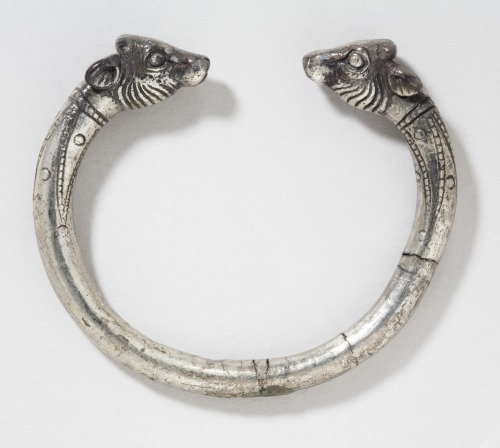
boriken80:Bracelet.Iran, Achaemenid Period, 550-330 B.C.
myancientworld:Achaemenid golden bowl with lion imagery.The Achaemenid Empire, also known as the Fir
Gold griffin-headed armlet from the Oxus treasure, Achaemenid Persian, 5th-4th century BC.Currently
treasures-and-beauty:Iran, Achaemenid ornamental Lapis lazuli plate, ca 500-400 BC.
Though Xerxes did not found the Achaemenid Persian Empire, he ruled it at its greatest size, and mad
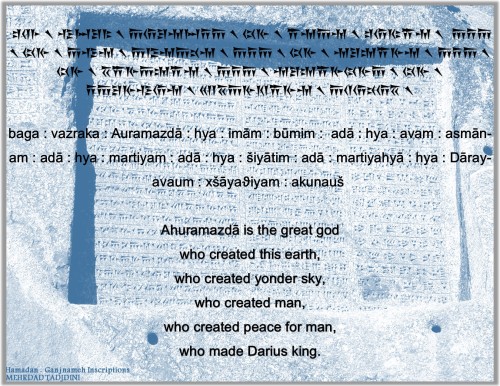
Inscription of Darius I the Great at Elvand
Persian archers, thought to be from the elite immortals unit ,bas-relief from the palace of Darius I
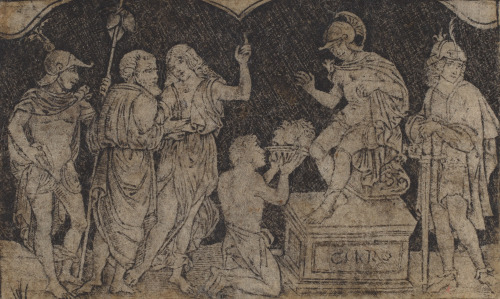
Artaxerxes Receiving the Head of Cyrus (and detail) by Peregrino da CesenaItalian, c. 1490/1510niell
ancientart: Detail from the Apadana Staircase, Persepolis, Iran. Achaemenid Persian, 6th-5th centur
Prev Page
Next Page