TumblrPics.com
HOME
DMCA
Live
Gallery
Viewer
Astro Plane
littledarling1
thebestofjared
coral2230
very painful
onlyweeaboothingz
LIVE
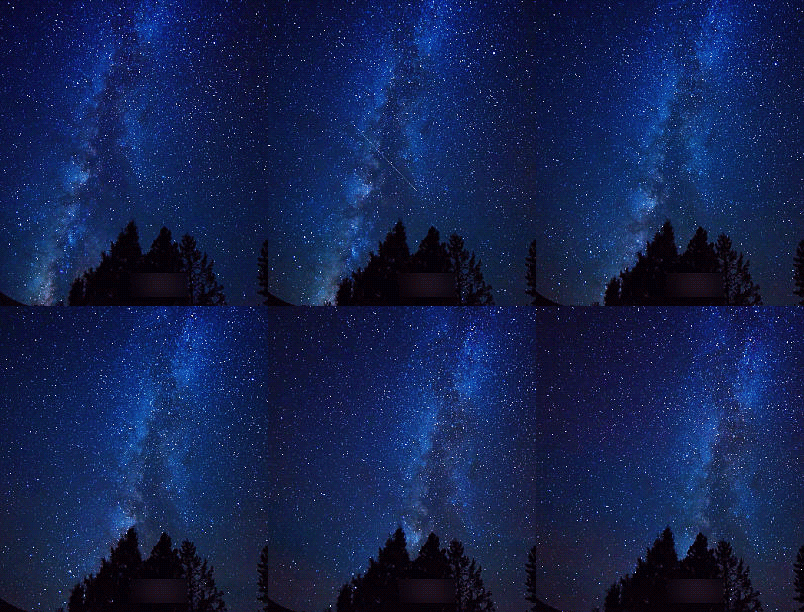
Colorado Night Skies
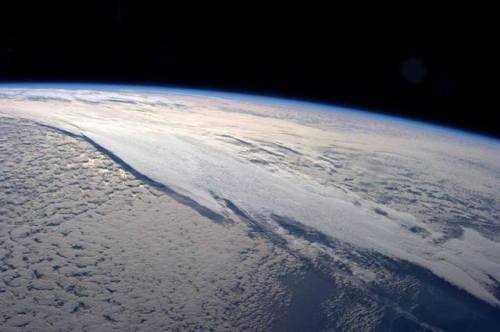
Layered cloudsThe haze of the atmosphere’s edge is glowing blue in the sunlight on the Earth&r
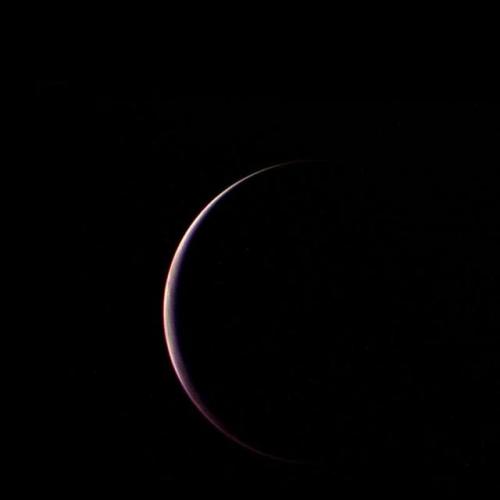
NASA Voyager 2 obtained this parting shot of Triton, Neptune largest satellite, shortly after closes
source
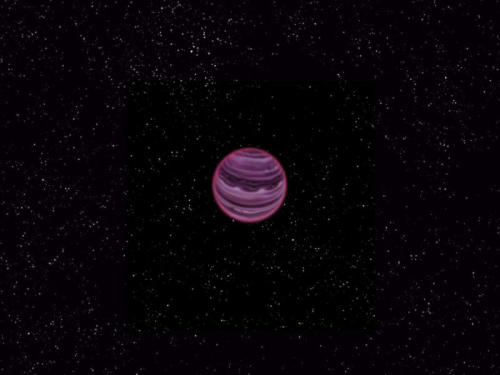
A strange lonely planet found without a starAn international team of astronomers has discovered an e
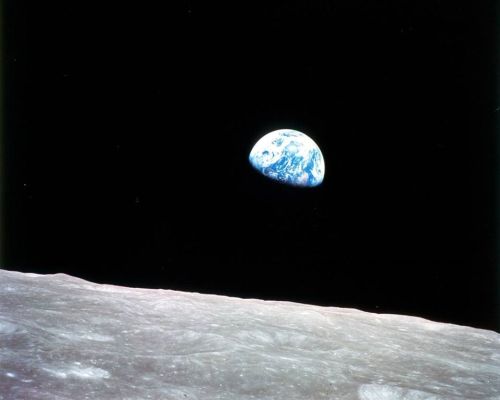
Happy #EarthDay2020 The image shown is called “Earthrise”.Taken by Apollo 8 Astronaut William Anders
Planet of Clouds : Our cloud-covered planet is seen from aboard the International Space Station. (vi
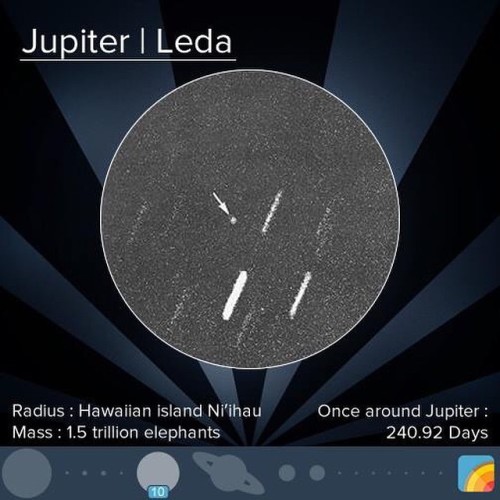
Jupiter’s 10th moon, Leda, is small and far away enough from host planet that its orbit is con
First Image From Perseverance on Mars 2021.Image Credit: NASA/JPL-Caltech
cosmicroyalty:anatomically astronomicallylotura + treasure planet au
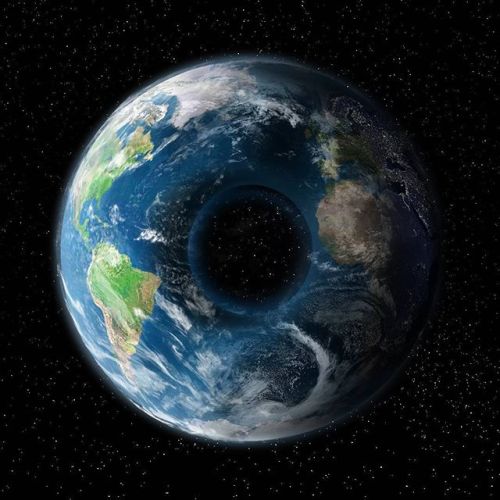
ufo-the-truth-is-out-there:According to the laws of physics, a planet in the shape of a doughnut (to
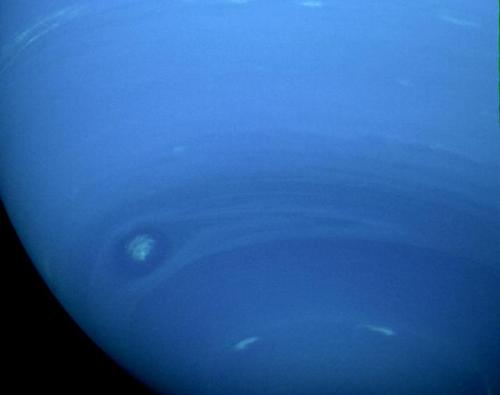
This photograph of Neptune’s southern hemisphere was taken by the narrow-angle camera on NASA&
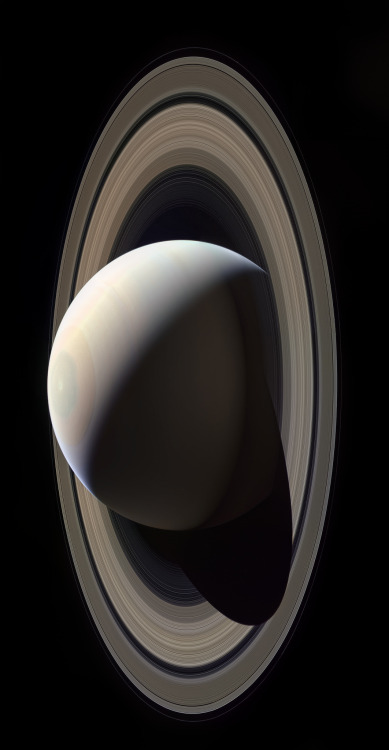
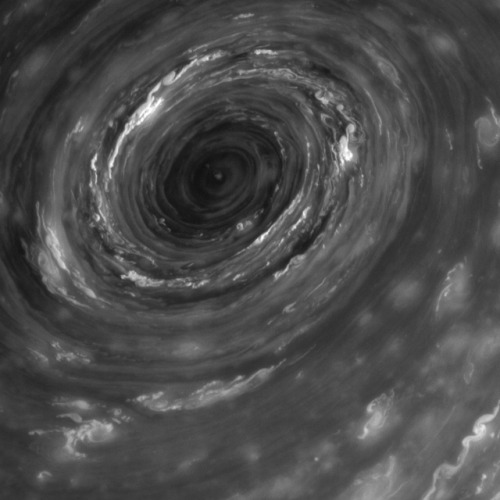
Image of Saturn taken by Cassini spacecraft in October 28, 2016.Credit: NASA/JPL
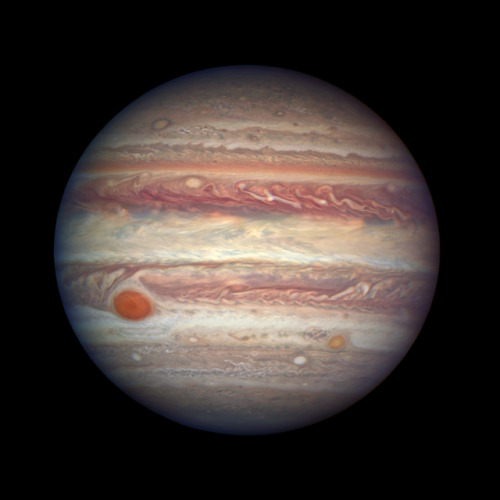
The Hubble Space Telescope captured this image of Jupiter in April 3, 2017Credits: NASA/ESA & Hu
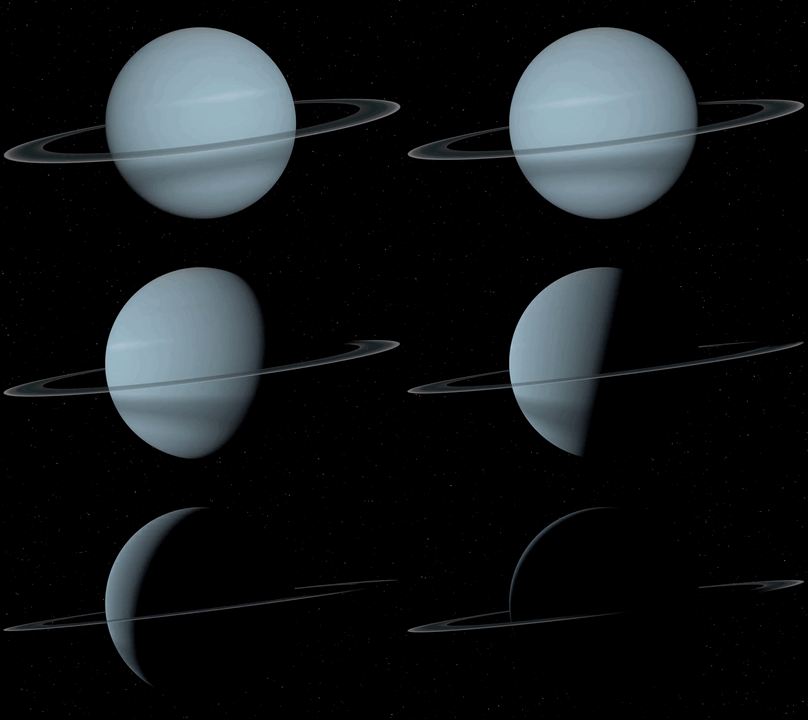
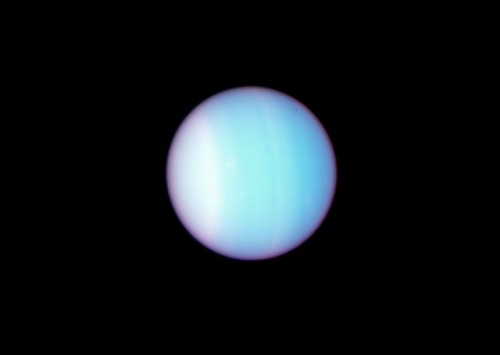
Planet Uranus ♅Equatorial Diameter: 51.118 kmSatellites: 27Notable satellites: Oberon, Titania, Mira
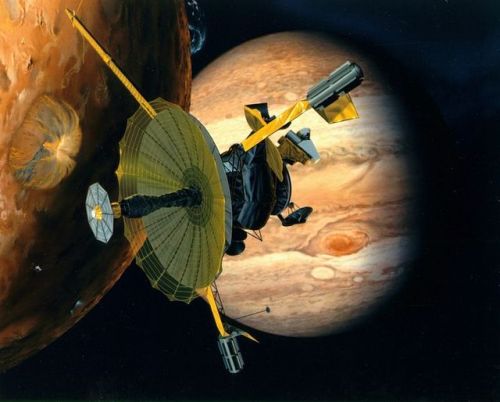
Galileo spacecraft Galileo was an American unmanned spacecraft that studied the planet Jupiter and i
Image of the planet Uranus observed by the Hubble Space TelescopeCredit: NASA/ESA, M. Showalter (Sta
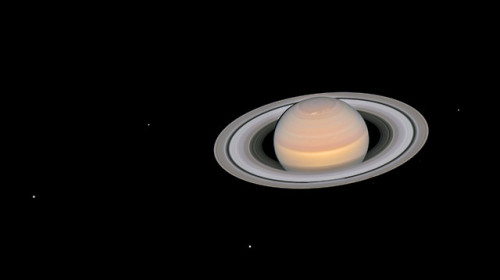
Saturn and its moons at opposition (The visible moons are (from left to right) Dione, Enceladus, Tet
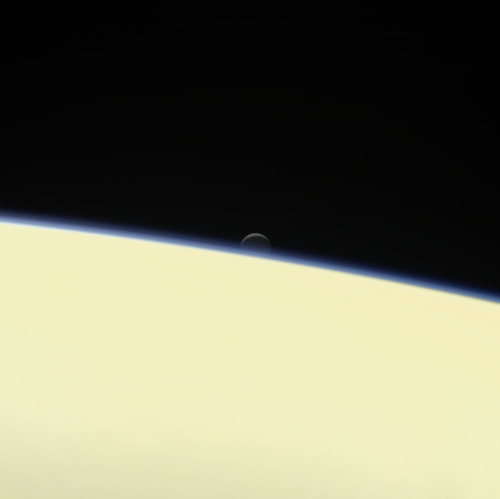
Saturn’s active, ocean-bearing moon Enceladus sinks behind the giant planet in a farewell port
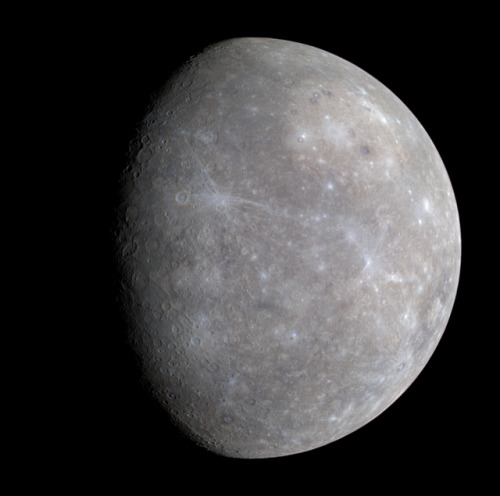
Mercury in enhanced color, imaged by MESSENGER Credit: NASA / JPL
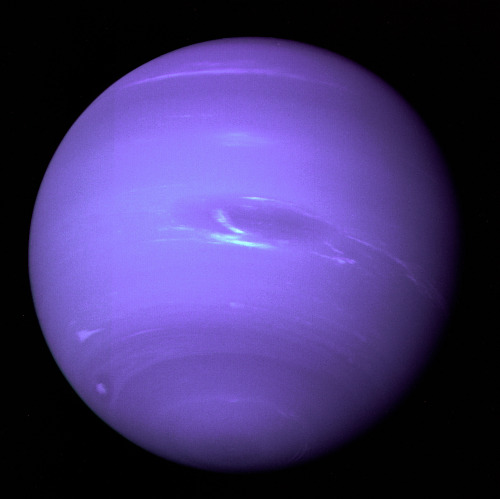
This picture of Neptune was produced from the last whole planet images taken through the green and o
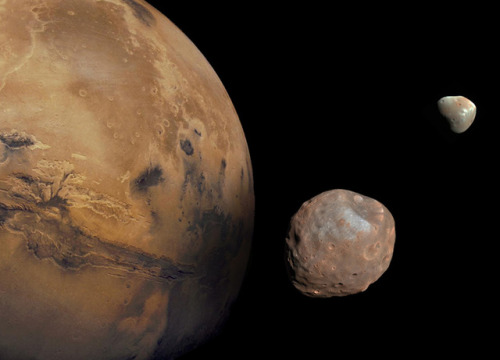
In 40 million years, Mars may have a ring (and one fewer moon)Nothing lasts forever - especially Pho
Six Moons of Saturn (Titan, Mimas, Tethys, Enceladus, Dione & Rhea)Image Credit: Rafael Defavari
Saturn, storm, rings and moons.Image credit: NASA/JPL-Caltech/Space Science Institute
Prev Page
Next Page