TumblrPics.com
HOME
DMCA
Live
Gallery
Viewer
Carving
puhppi
saldungaray
kingman
kids week
abel-dujardin
LIVE
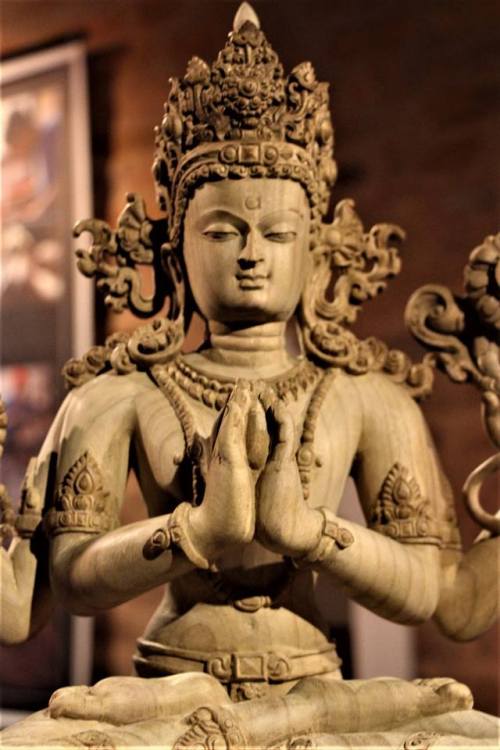
Lokeshwara, Nepal
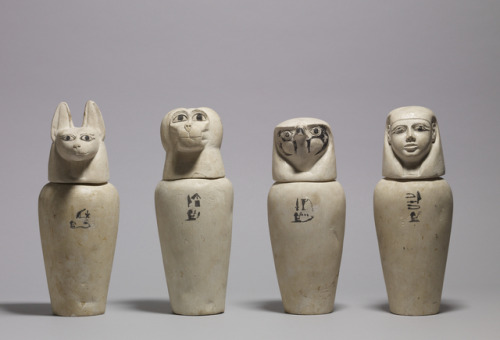
A set of four ancient Egyptian limestone canopic jars, used for holding organs removed from the dece
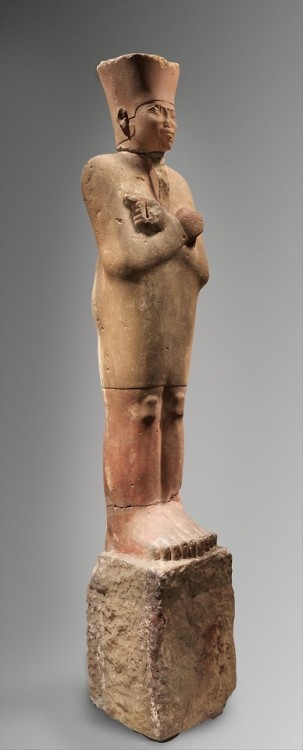
Standing sandstone statue of the 11th Dynasty pharaoh Nebhepetre Mentuhotep II (r. ca. 2061 BCE-2010
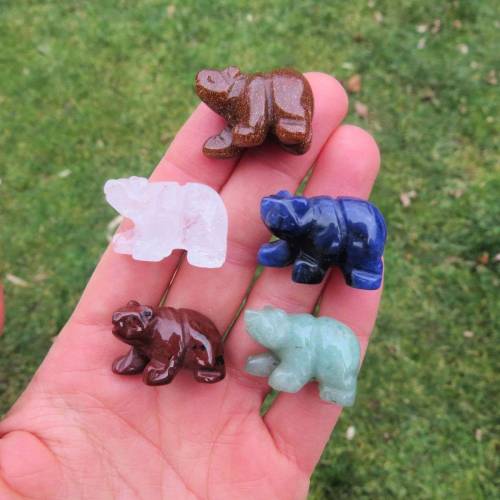
Mini Crystal Bear Carvings
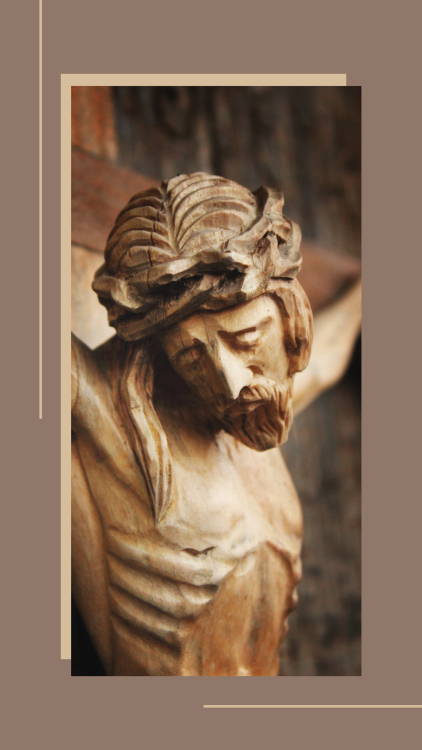
catholicpriestmedia:“It is not the finest wood that feeds the fire of Divine love, but the wood of t
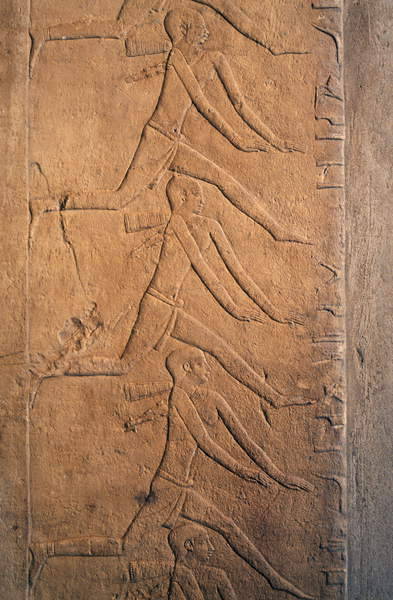
Bas relief depicting dancers, detail of a wall carving from the Mastaba of Kagemni. A vizier from th
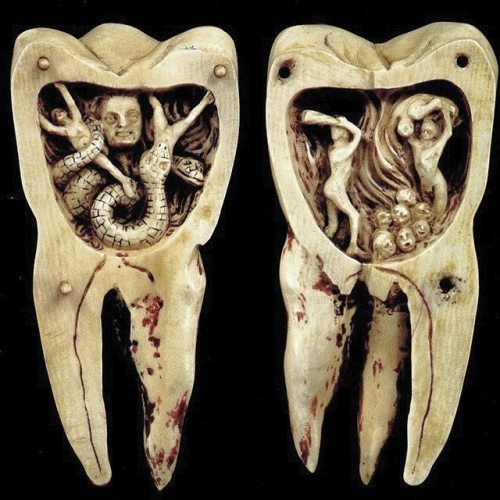
thefabulousweirdtrotters: 18th Century Ivory Carving from Southern FranceThe legend of the toothworm
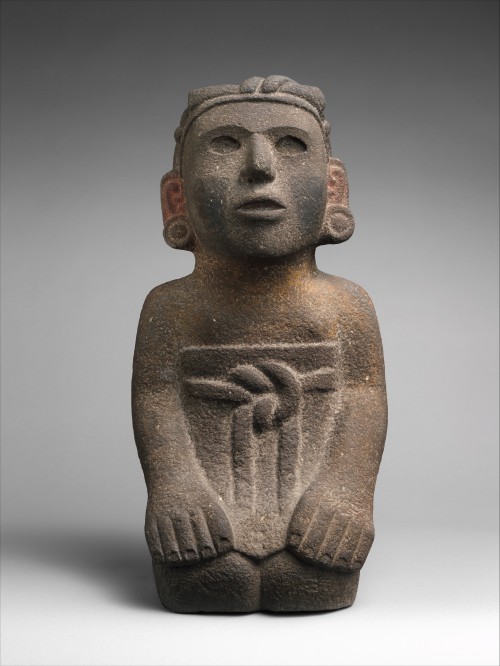
Aztec stone sculpture of a kneeling female figure. Artist unknown; 15th or early 16th century. Now
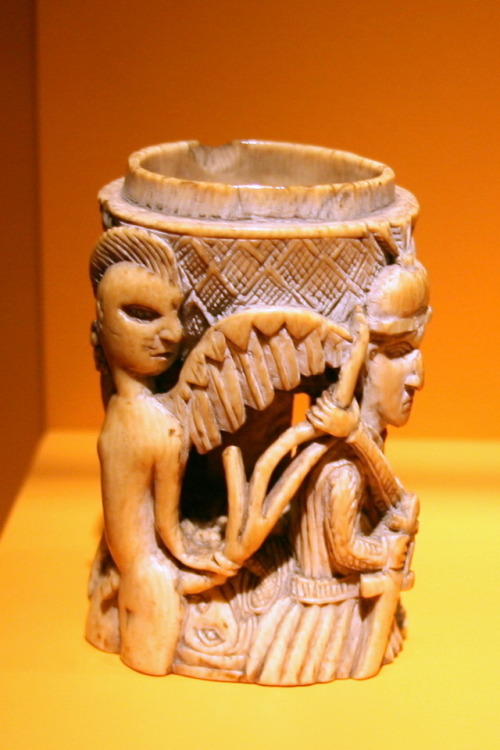
Ivory salt cellar of the Edo people, Kingdom of Benin (in present-day Nigeria), in the Bini-Portugue
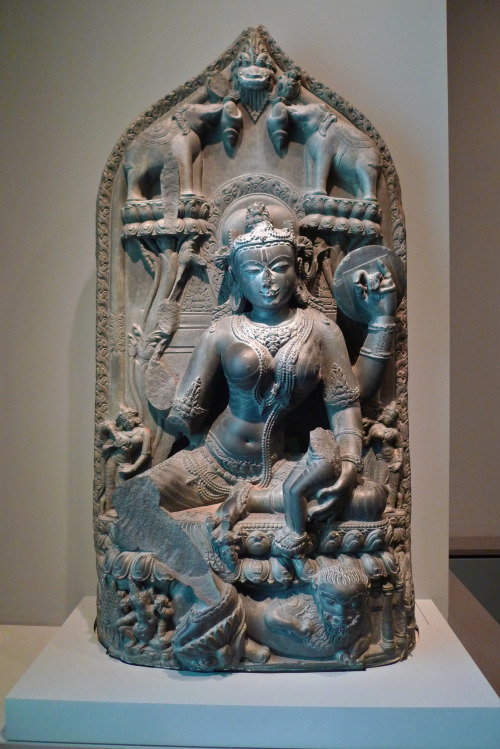
Sculpture of the Hindu goddess Parvati. Artist unknown; 11th century. Now in the Asian Art Museum
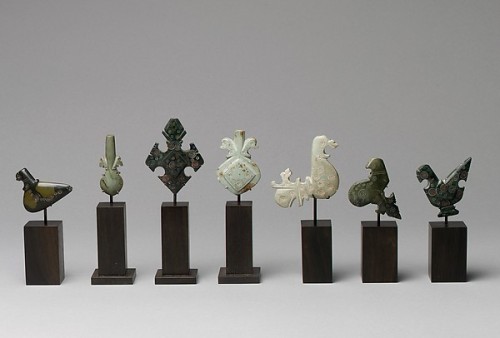
Kohl FlaskDate: probably 10th–12th centuryGeography: Iran or Central AsiaCulture: IslamicMedium: Ser
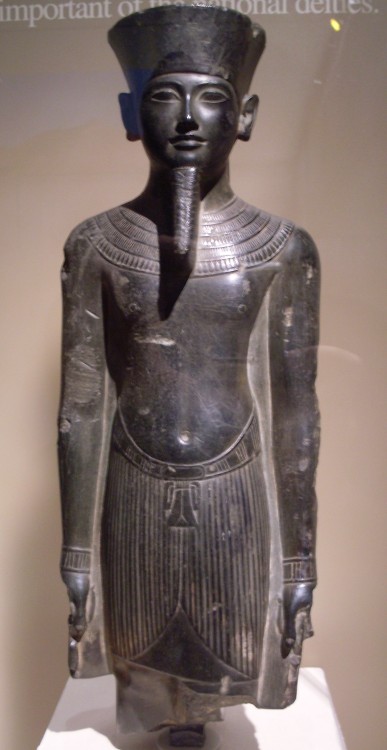
Statue of Amun, patron deity of Egyptian Thebes. Artist unknown; ca. 2000 BCE (11th Dynasty, Middle
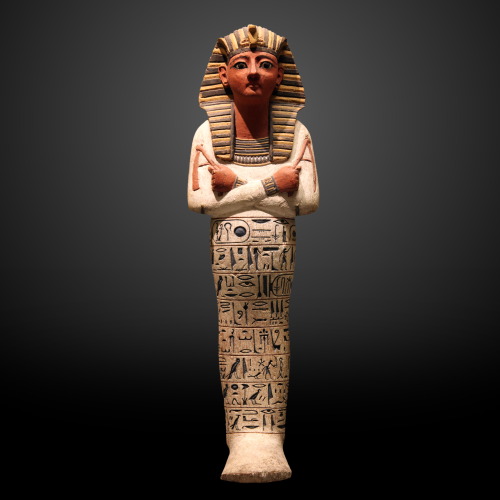
Painted wooden ushabti of Ramesses IV. Artist unknown; ca. 1143-1136 BCE. Now in the Louvre. Phot
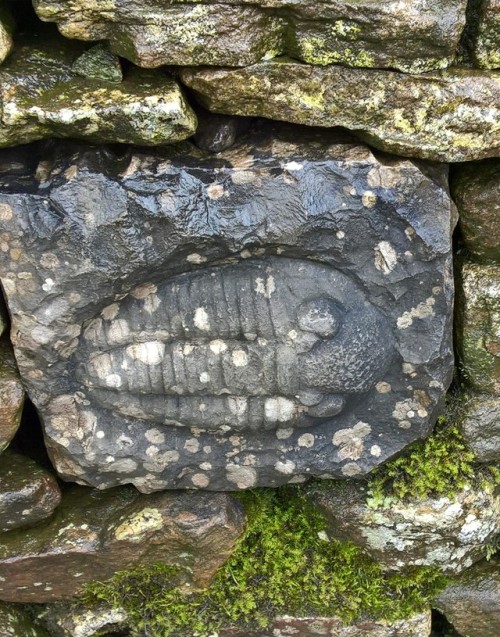
witches-art-and-weirdness:Stone carvings.Taken in the moors of skipton.
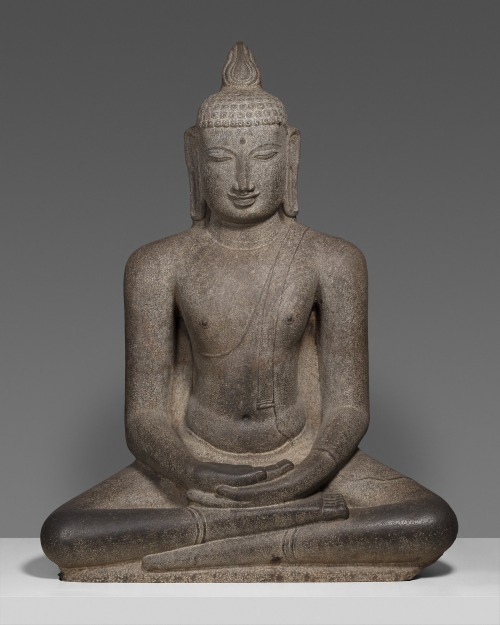
Buddha Shakyamuni seated in meditation (Dhyanamudra). Artist unknown; 12th century. Now in the Art I
front toward enemy
betweenmirrors-com:THE TOOTH WORM AS HELL’S DEMON 18th Century Ivory Carving from Southern FranceThe
Jade vase, made in China, c.13th century (source).
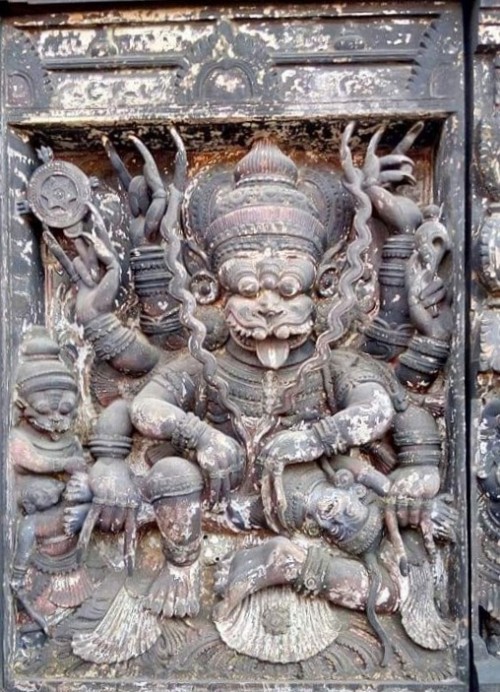
Narasimha, wood carving from Kerala temple
Ivory pendant mask from the Kingdom of Benin in present-day Nigeria, thought to represent Queen Idia
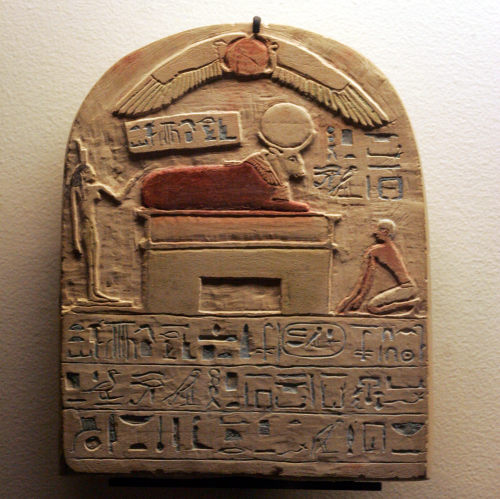
Ancient Egyptian stele, dedicated by the doorman of Horudja temple in honor of the divine bull Apis.
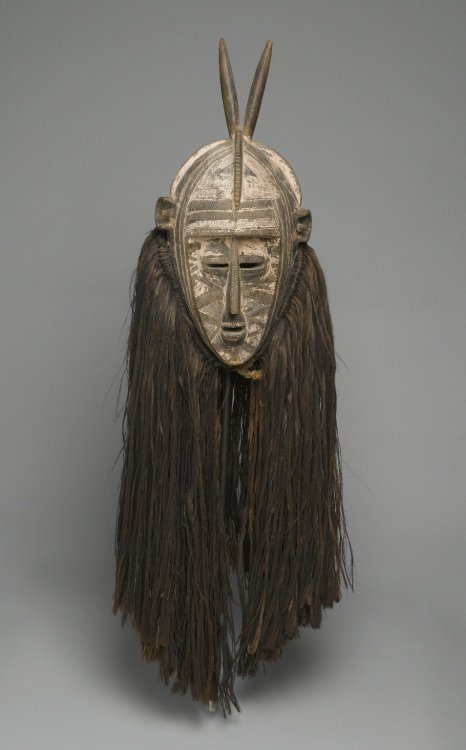
Bolo mask of the Bobo people, Taguna region, Burkina Faso. Artist unknown; late 19th century. Now in
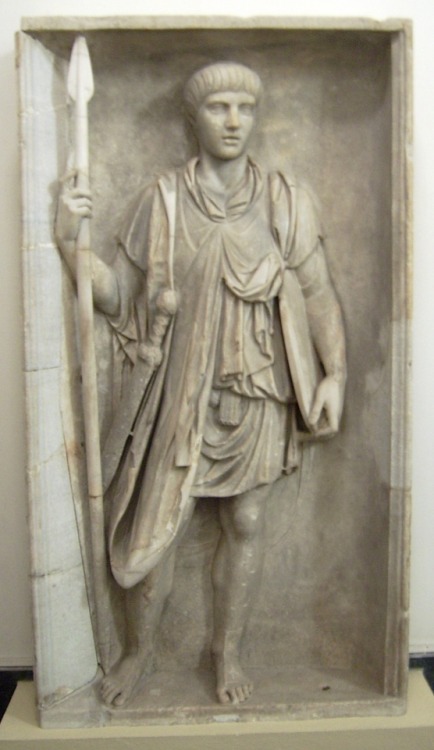
Ancient Roman marble relief depicting a legionary. Artist unknown; end of 1st cent. CE. Found at P
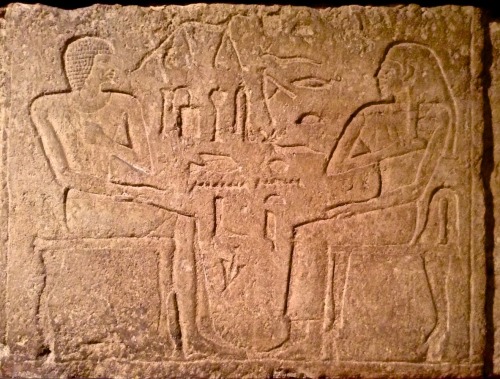
Happy Valentine’s Day! This carving of a husband and wife comes from an Old Kingdom tomb. The
Prev Page
Next Page