TumblrPics.com
HOME
DMCA
Live
Gallery
Viewer
Cassin
brienn
221bbarricade
pussy peeing
celebsfap
nice guy
LIVE
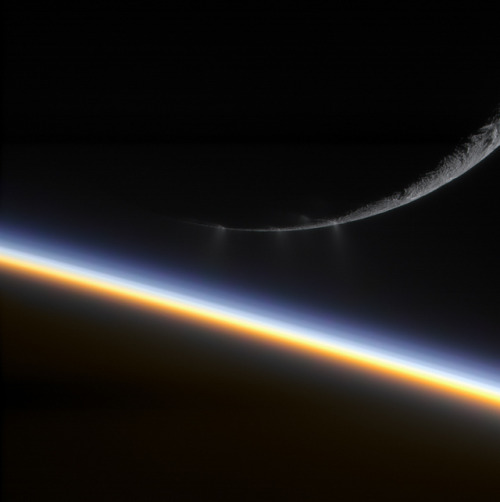
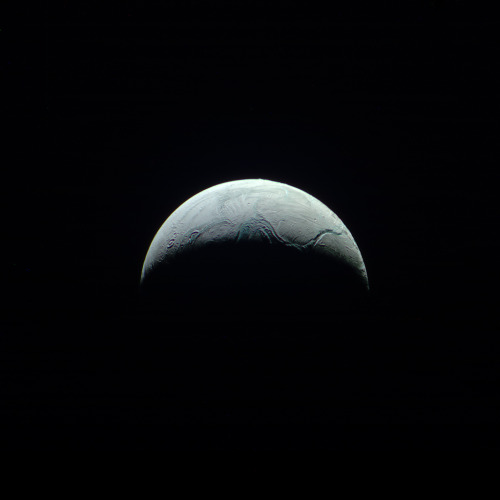
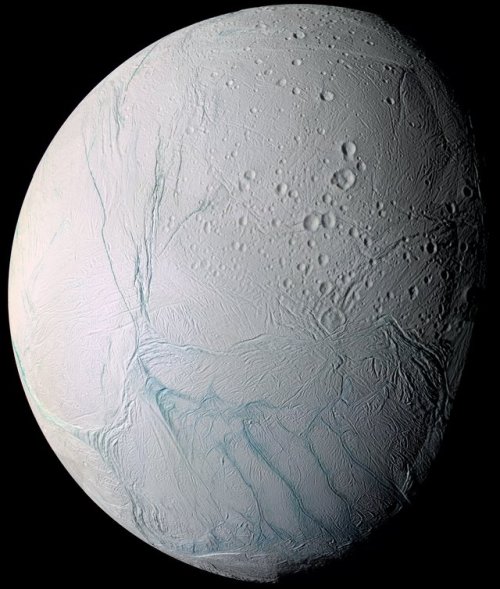
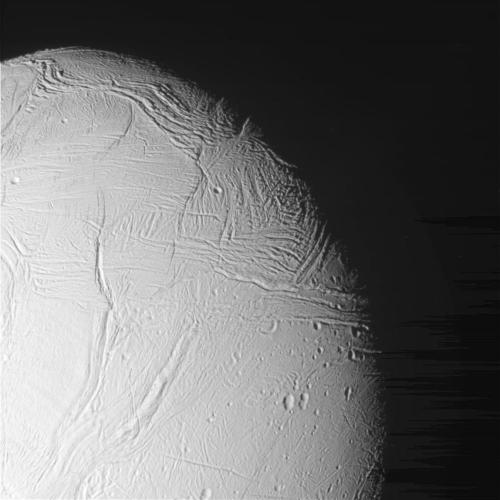
poseidhn:The spacecraft Cassini captured some raw images of the icy Saturn moon, Enceladus from just
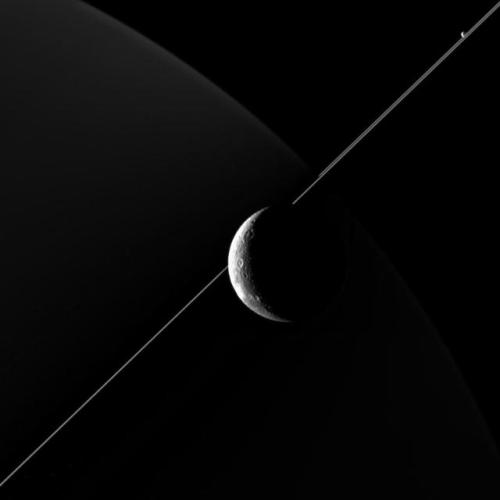
sermarkblog:NASA’s Cassini imaging scientists processed this view of Saturn’s moon Dione, taken duri
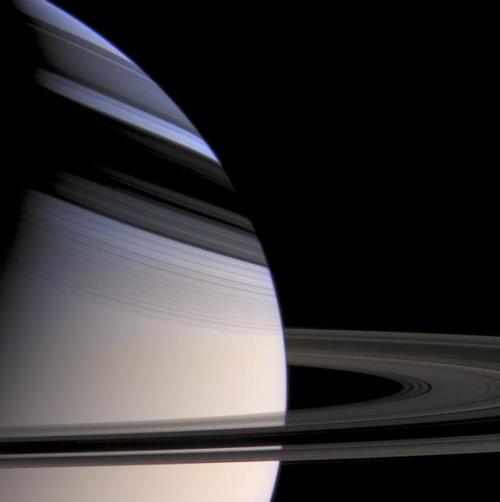
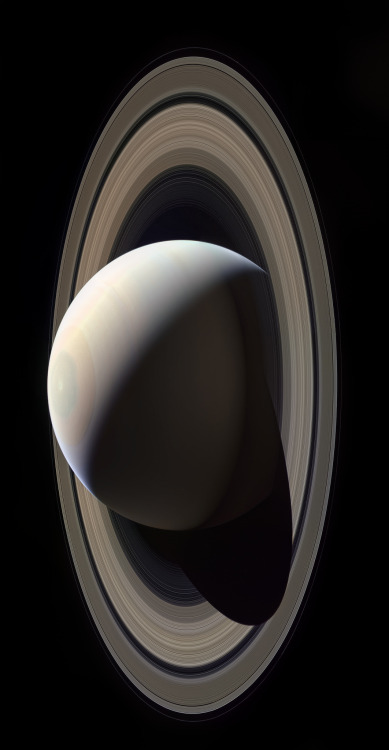
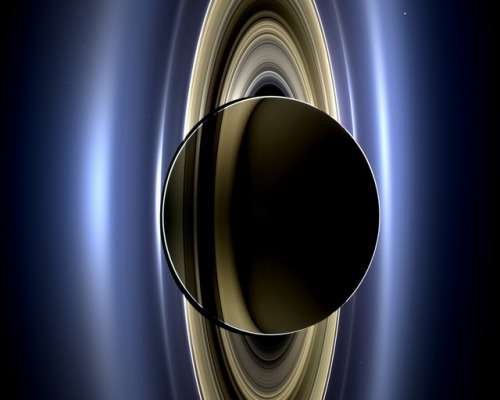
infinity-imagined:Images of Saturn taken by Cassini and processed by Kevin Gill.
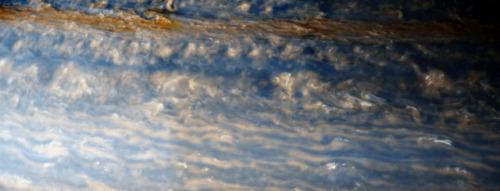
Illustration of Cassini Spacecraft’s Grand Finale Dive [3000 x 1266]
The Game
littlelimpstiff14u2:These are the Most Incredible Photos Shot by NASA’s Cassini ProbeThe Cassini spa
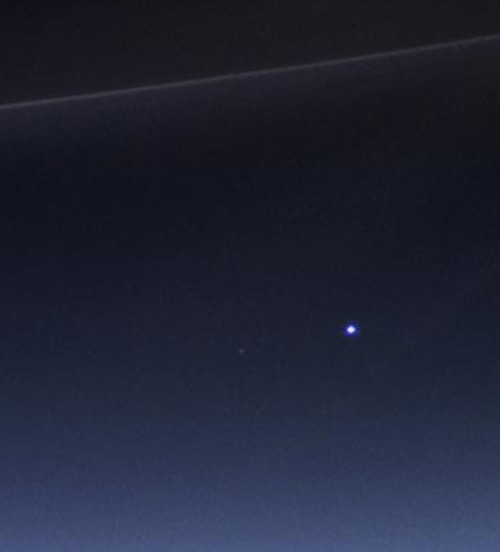
ohstarstuff:“Pale Blue Dot 2.0” came in the form of this humbling image captured by Cassini as it or
astronomyblog:Today the Cassini mission has reached its end…
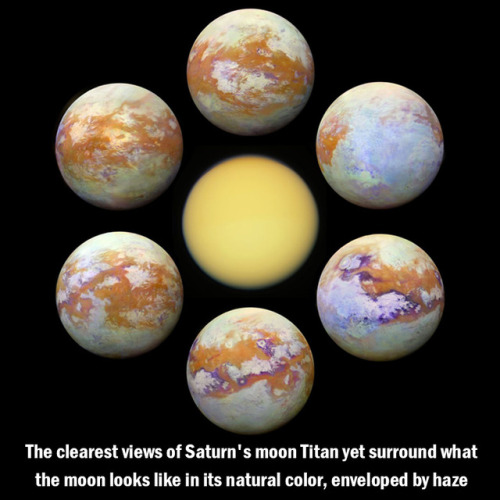
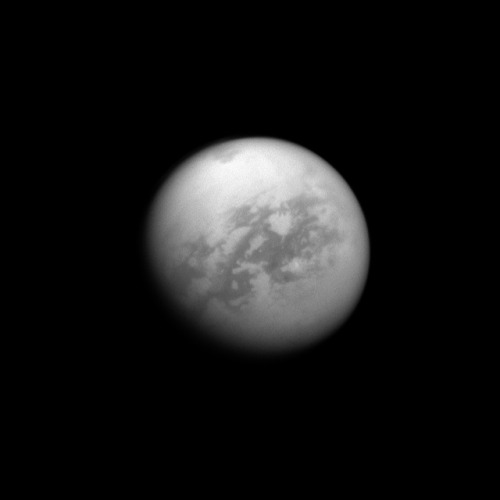
Six infrared images of Titan were captured by the Cassini spacecraft, which are some of the clearest
Mimas (moon of Saturn) taken by the Cassini spacecraft.Credit: NASA/JPL
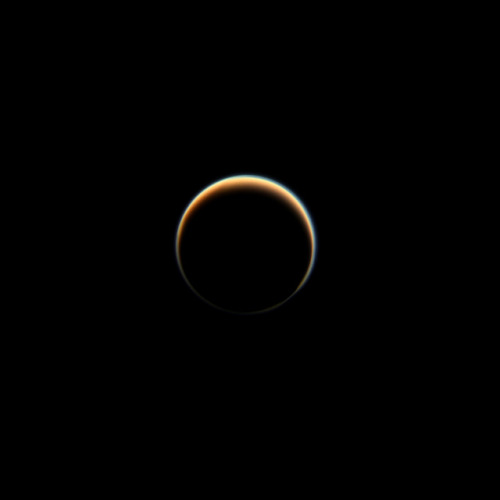
On March 31, 2005, just minutes after the Cassini spacecraft’s closest approach to Titan durin
Saturn and Mimas (2004 and 2005) Image credit: NASA/JPL-Caltech/SSI/Kevin M. Gill
Enceladus and Saturn Image credit: Gordan Ugarkovic
Image of Enceladus moon of Saturn captured by the Cassini spacecraftImage credit: NASA/JPL-Caltech/S
Saturn’s Moon Enceladus, photographed by the Cassini Spacecraft. Stocktrek Images; Getty Image
Last Enceladus Plume Observation taken by the Cassini spacecraftThe spray of icy particles from the
Image of Saturn taken by Cassini spacecraft in October 28, 2016.Credit: NASA/JPL
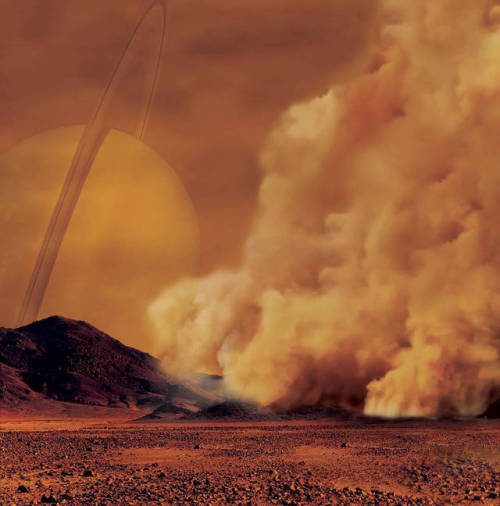
Dust Storms on Titan Spotted for the First TimeData from NASA’s Cassini spacecraft has reveale
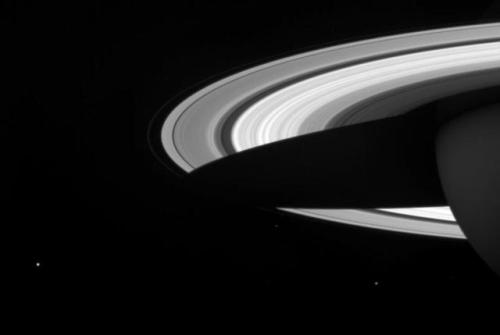
Saturn, rings and moons (Tethys, Enceladus, Titan and Janus, Prometheus, Atlas, Iapetus, Atlas, Meth
carolynporco:Yesterday, Cassini executed its 20th close flyby of the small icy moon, Enceladus, in w
Saturn and its moonsImage credit: NASA/JPL-Caltech
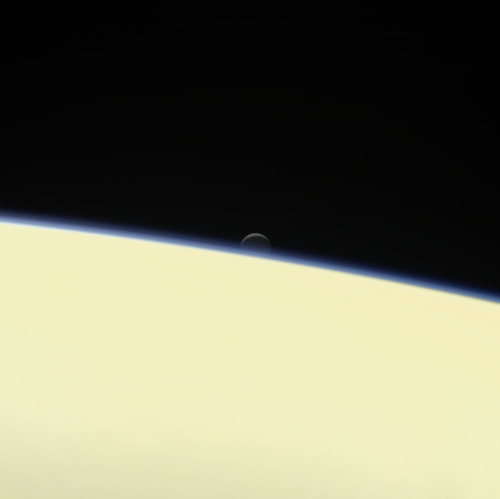
Saturn’s active, ocean-bearing moon Enceladus sinks behind the giant planet in a farewell port
Some of the beautiful images taken by the Cassini spacecraft ● 1997-2017● Image credit: NASA/JPL-Cal
The outermost ring shown here is Saturn’s E ring, the core of which is situated about 149,000
Prev Page
Next Page

![Illustration of Cassini Spacecraft’s Grand Finale Dive [3000 x 1266]](https://64.media.tumblr.com/65bb76f7cbc49c047b4a5692cd99b171/tumblr_oo216uQ29O1s64f72o1_500.jpg "Illustration of Cassini Spacecraft’s Grand Finale Dive [3000 x 1266]")