TumblrPics.com
HOME
DMCA
Live
Gallery
Viewer
Classica
woodsywedding
uggggghhhhh
oh heeeyyyyy
lycopersicum
hunnybooboo
LIVE
Etruscan black-figure alabastron (perfume jar) after Corinthian models. In the top frieze, Heracles
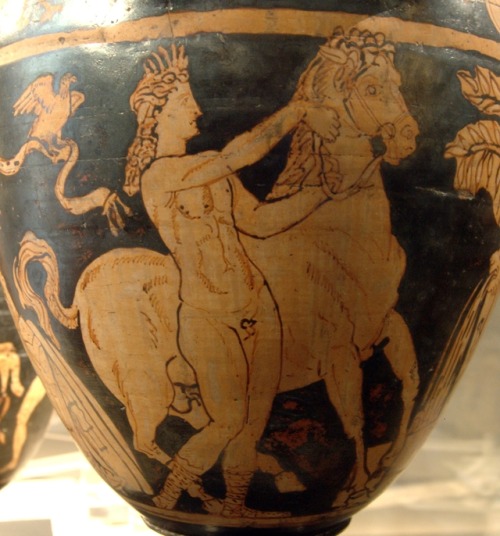
The Trojan prince Troilus brings his horse to a fountain to drink, while Achilles (to the left; not
Etruscan painted terracotta askos in the shape of a duck. Attr. to the Clusium Group; ca. 350-325 B
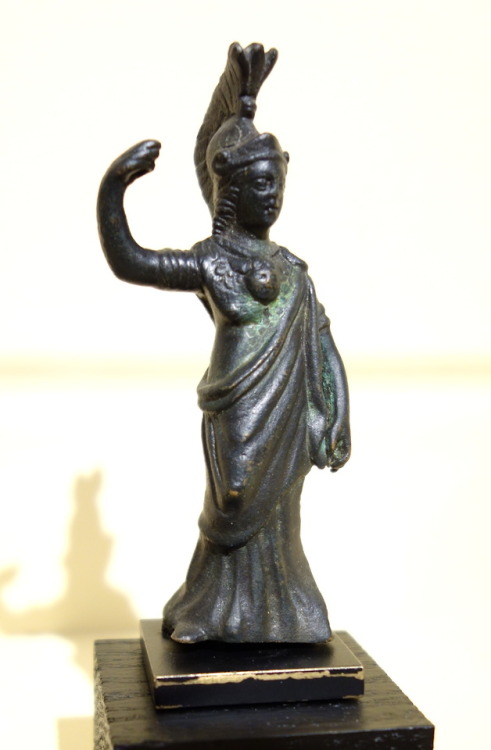
Roman bronze votive statue of the goddess Minerva. Artist unknown; 2nd cent. CE. Now in the Fitchb
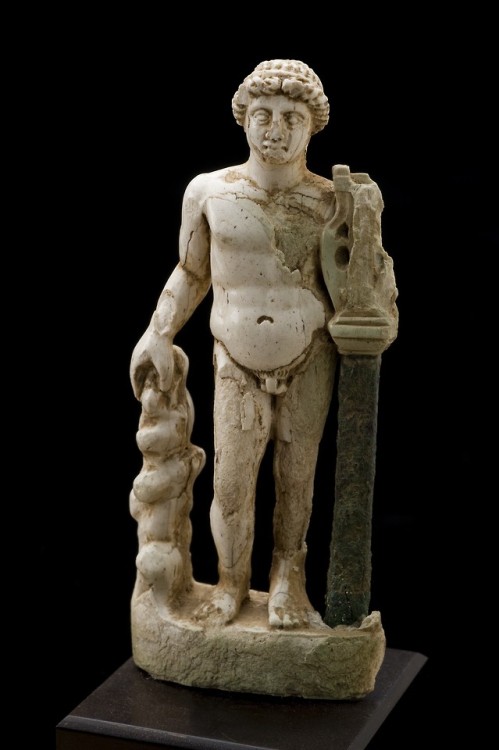
Roman ivory statue of Apollo, shown holding a lyre. Artist and date unknown. Photo credit: Wellcom
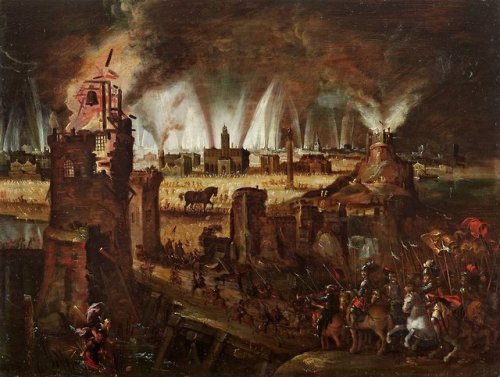
The Battle for Troy (aka Troy Burning), Anton Mozart, ca. 1614
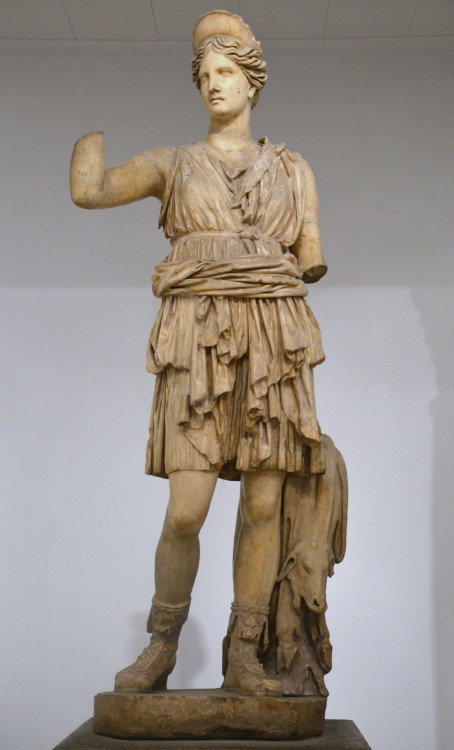
Statue of Diana, goddess of the hunt. Artist unknown; 2nd cent. CE. Found at Italica; now in the A
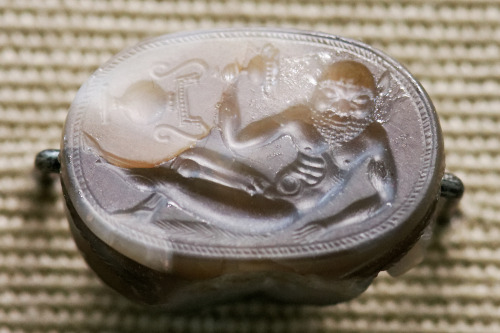
A reclining satyr holds a drinking cup. Scarab from Etruria, eponymous gem of the Master of the Lon
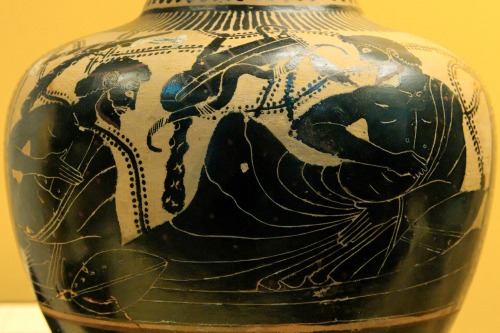
Heracles and Iolaos. Attic white-ground black-figure oinochoe, artist unknown; ca. 500-490 BCE. Now
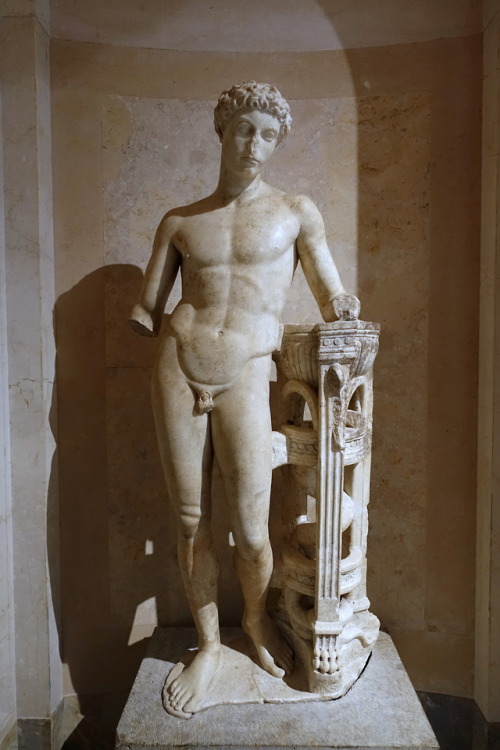
Apollo resting on a tripod. Roman copy (1st or early 2nd cent. CE) after a Greek original. Now in
A soldier dances to the aulos (double flute). Attic black-figure lekythos, attr. to the Athena Paint
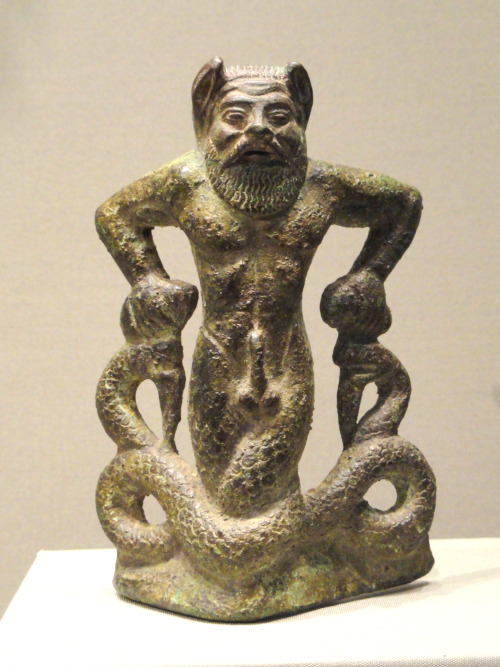
Bronze Etruscan foot element in the shape of the snake-footed monster Typhon. Artist unknown; ca. 5
Ancient Roman bronze statuette of Mars Ultor, perhaps from a lararium (household shrine). Artist un
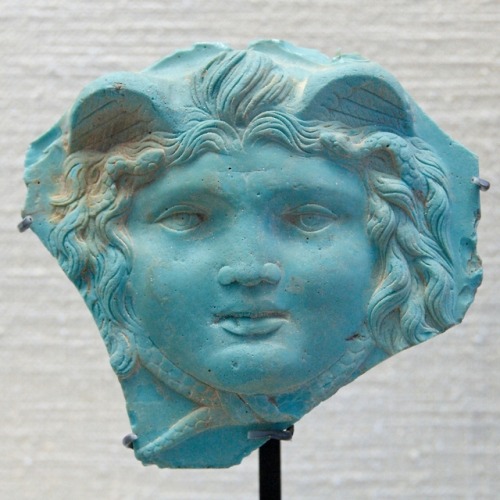
Ancient Roman gorgoneion made of opaque glass paste. Artist unknown; 1st-2nd cent. CE. Found at Ro
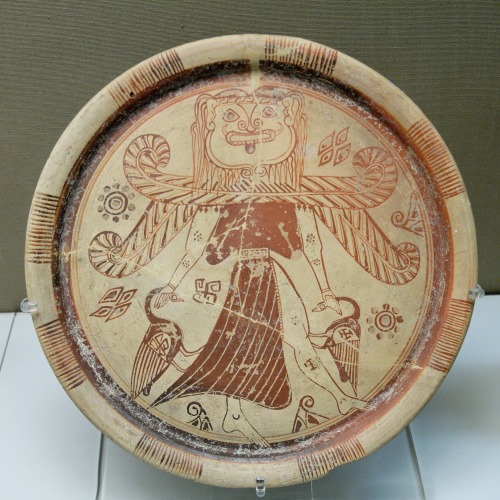
A plate depicting a winged, Gorgon-headed deity, shown in the traditional pose of the Πότνια Θηρῶν (
history-and-mystery:SICILY, Syracuse. Second Democracy, 465-405 BC. AR Tetradrachm. Slow quadriga, N
Ancient Greek gold pendant in the form of a gorgoneion (Gorgon’s face). Artist unknown; ca. 450 BCE
Classical Figures Seated by Ruins in an Italianate LandscapeJan Frans van Bloemen, called l'Orizzont
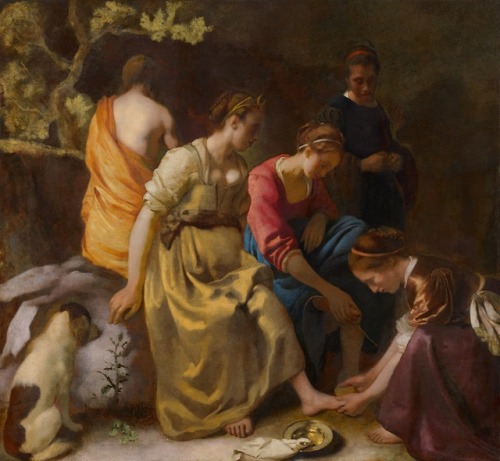
Diana and Her Companions, Jan Vermeer, ca. 1653-54
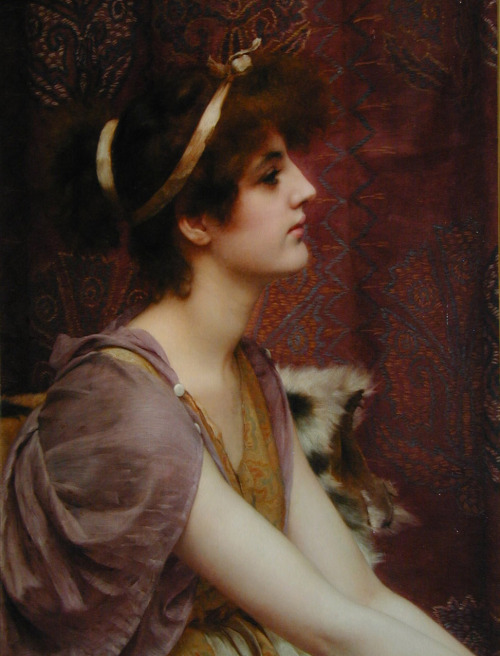
didoofcarthage:A Classical Beauty by John William Godward1892oil on canvasprivate collection
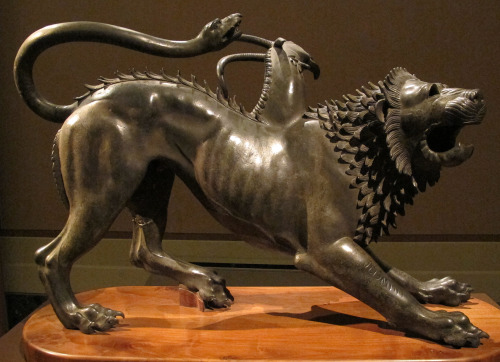
Etruscan bronze sculpture of the Chimera (known as the “Chimera of Arezzo”). Artist unknown; ca. 40
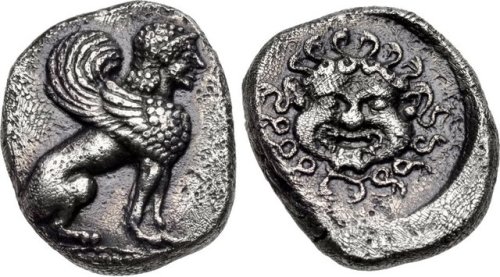
Silver hemidrachm from Gergis, in the Troad (present-day northwestern Turkey), perhaps minted for th
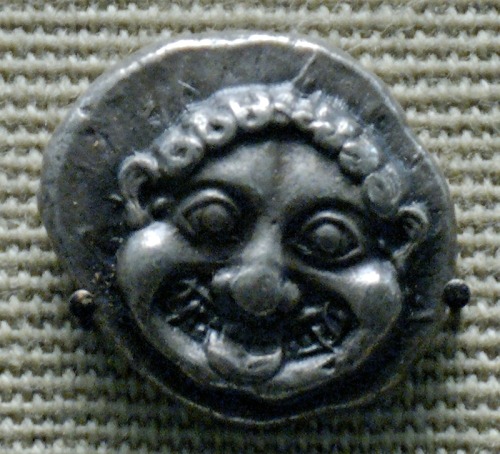
Silver didrachm issued by Athens, ca. 520 BCE, bearing a Gorgon’s head. Now in the British Museum.
the first one was popular so i made another one!
Prev Page
Next Page