TumblrPics.com
HOME
DMCA
Live
Gallery
Viewer
Etruscans
rrainlily
thebean
villa vizcaya
jean dieuzaide
sissy jessie
LIVE
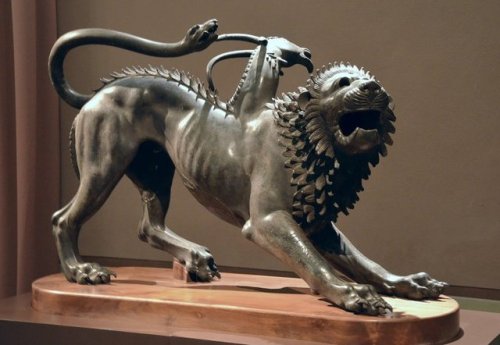
ahencyclopedia:ETRUSCAN ART: THE art of the Etruscans, who flourished in central Italy between
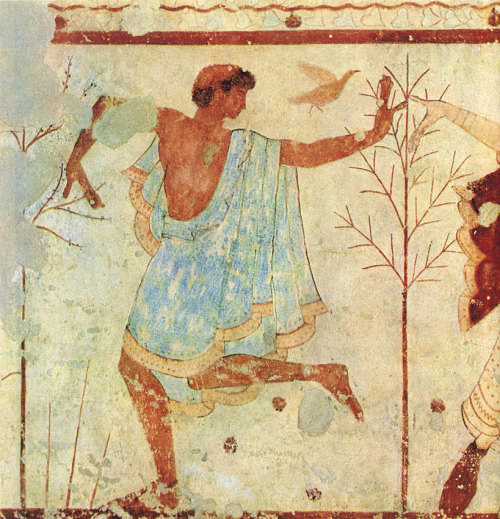
theancientwayoflife:~Dancer and lyre player.~Flutist dancing among the birds.~Dancer.~Dancer~Dancer.
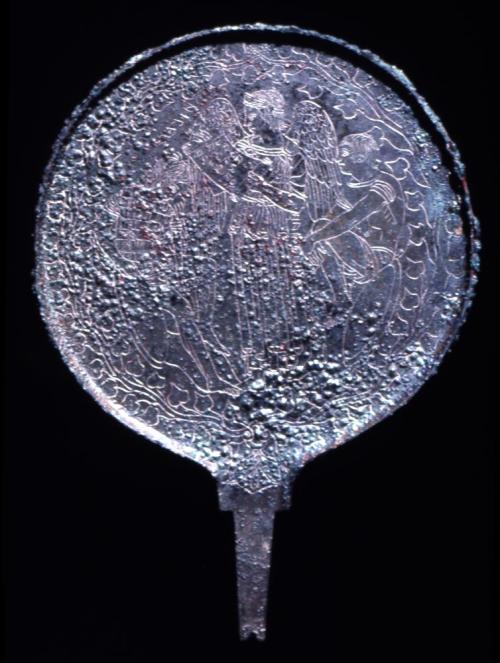
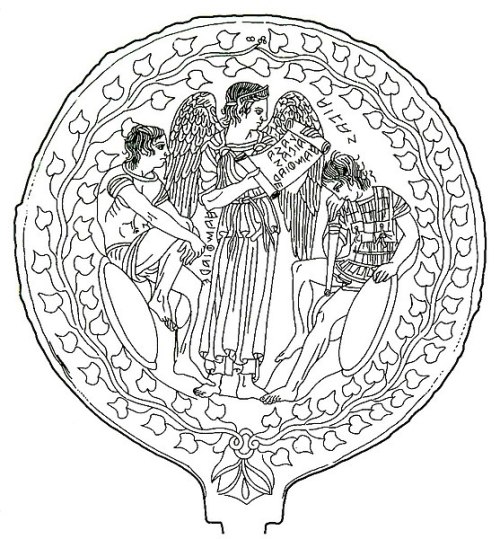
Mirror with Lasa, Hamphiare, and Aivas. First half of the 4th c. B.C.; bronze. The British Museum. (
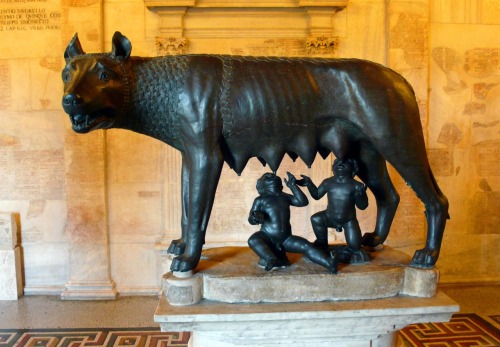
The oh-so-aged Capitoline She-Wolf, the fosterer of Romulus and Remus, a fifth-century BCE masterpie
Figurine of haruspex. From the right bank of the Tiber. 4th century B.C., bronze. Gregorian Etruscan
arjuna-vallabha:Detail from the Etruscan Larthia Seianti sarcophagus
gay-erotic-art-fan:The Etruscans - James Owen Mahoney
didoofcarthage:Pair of gold disk earrings (and detail). Etruscan, late 6th century B.C. J. Paul Gett
Sarcophagus. Tuscania, necropolis of Carcarello, Vipinana tomb. 310 - 300 B.C., tufa. Gregorian Etru
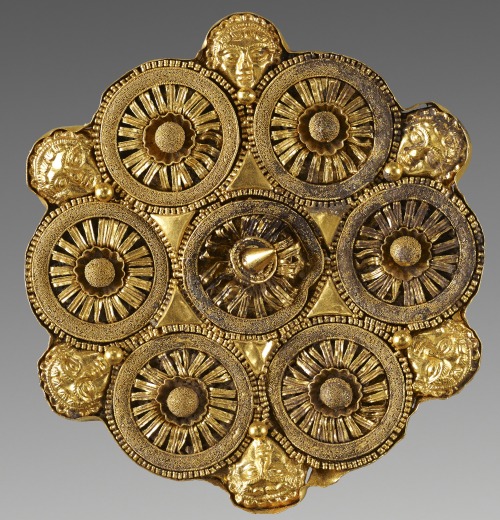
Applique with the head of Medusa. Vulci. Late 3rd - first half of 2nd century B.C.; gold. Gregorian
Sarcophagus with polychrome relief. Cerveteri, Banditacci Necropolis, Tomb of the Sarcophagi. 400 -
Graziani Putto. Sanguineto, near Lake Trasimeno. Early 2nd century B.C., bronze. Gregorian Etruscan
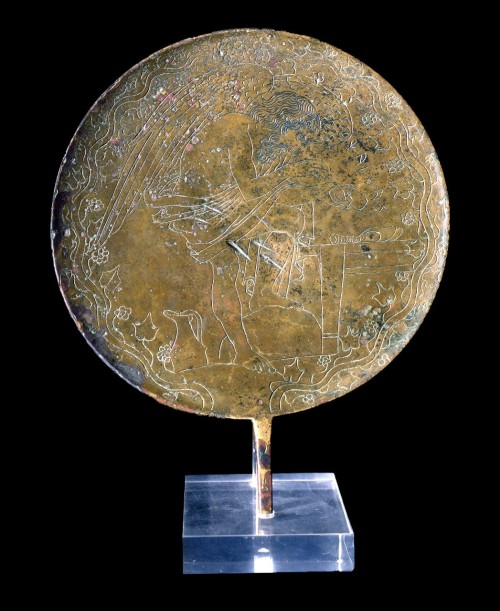
Mirror with engraving of Calchas. Vulci. Late 5th century B.C., bronze. Gregorian Etruscan Museum.&n
Statue of a youth. Tarquinia. Late 4th - 3rd century B.C., bronze. Gregorian Etruscan Museum.
Figurine of haruspex. From the right bank of the Tiber. 4th century B.C., bronze. Gregorian Etruscan
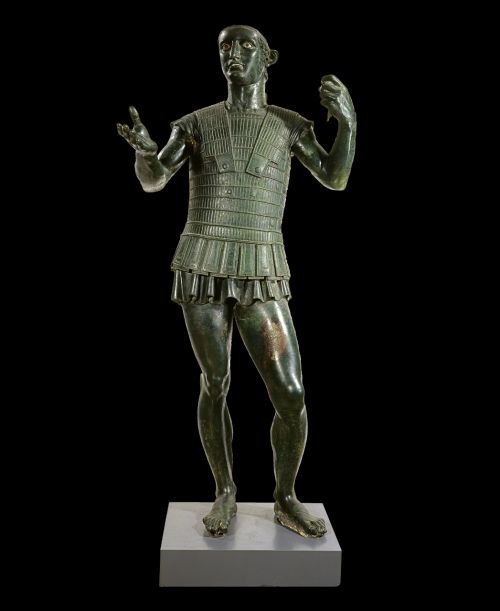
Mars of Todi. Todi, Monte Santo area. End of 5th century B.C., bronze. Gregorian Etruscan Museum.&ld
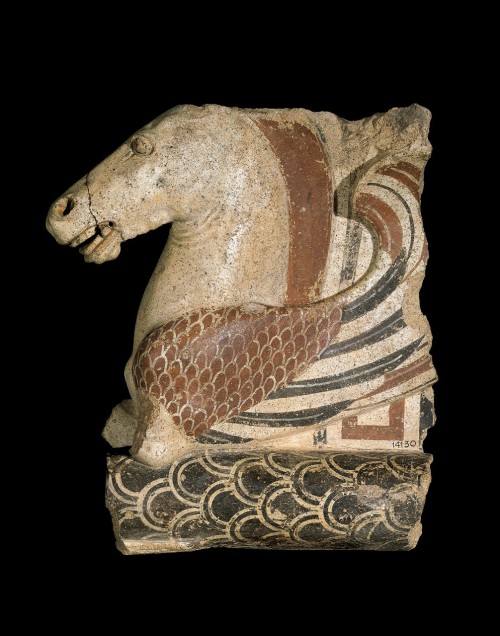
Acroterion with winged horse. Cerveteri, 500 - 475 B.C., polychrome terracotta. Gregorian Etruscan M
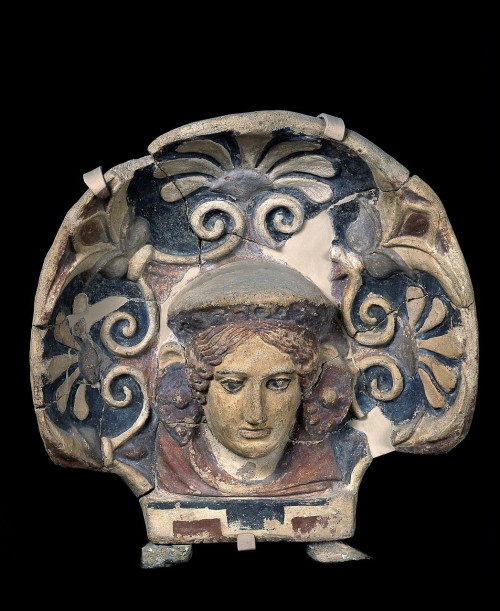
Antefixes with the heads of a maenad and of Silenus. Cerveteri, Jacobini excavations, 1870. 4th cent
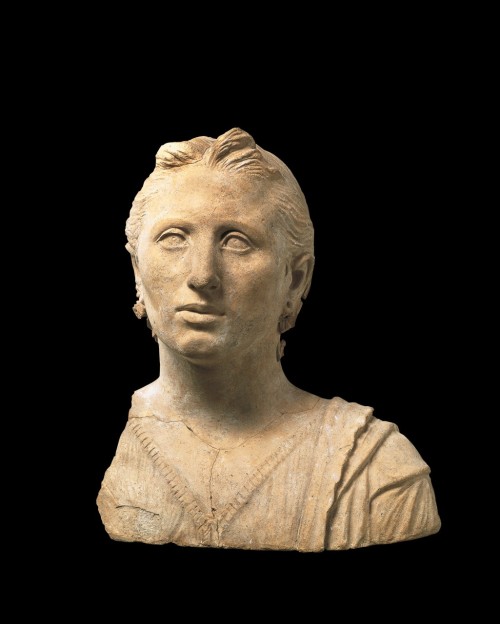
Bust of a woman. Cerveteri, 300 - 250 B.C., terracotta. Gregorian Etruscan Museum.“The bust is
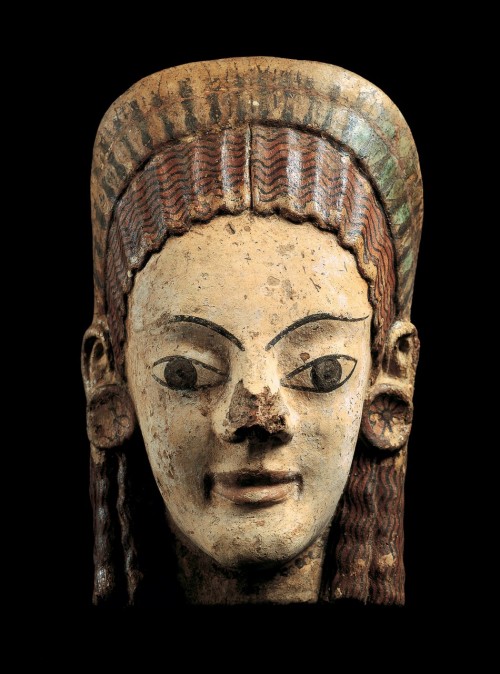
Antefix in the form of a woman’s head. Cerveteri, 525 - 500 B.C., polychrome terracotta.
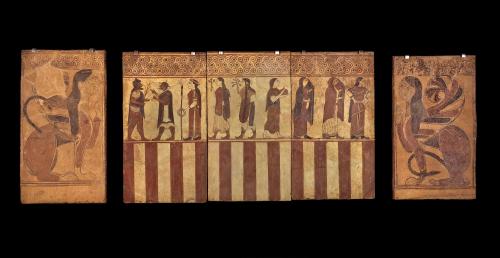
Tomb-painting with sphinxes and groups of figures, with guilloche pattern above and crimson and crea
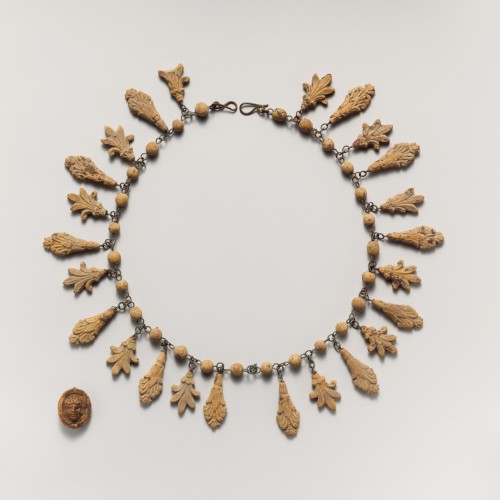
Necklace with palmette and lotus pendants. 3rd c. B.C.; terracotta. The Metropolitan Museum of Art.&
Mirror with Lasa, Hamphiare, and Aivas. First half of the 4th c. B.C.; bronze. The British Museum. (
Statuette of a young woman. Late 6th century B.C.; bronze. The Metropolitan Museum of Art. The
Prev Page
Next Page