TumblrPics.com
HOME
DMCA
Live
Gallery
Viewer
History German
temporal queuing
gaytom
pukadin
naveenedit
v nails
LIVE
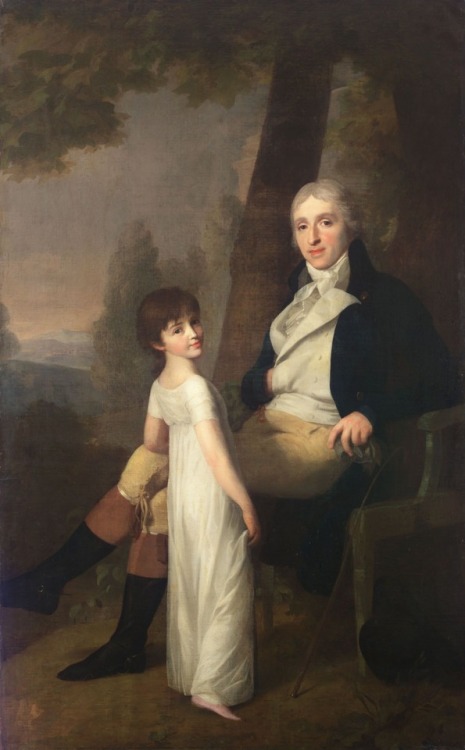
The Leipzig Merchant Jacques Ferdinand Dufour-Feronce with His Daughter Constance Aimée, Johann Frie
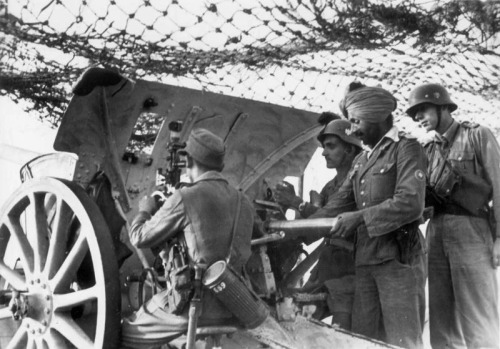
The Indians of the German Army in World War IIIn the early years of World War II, the German militar
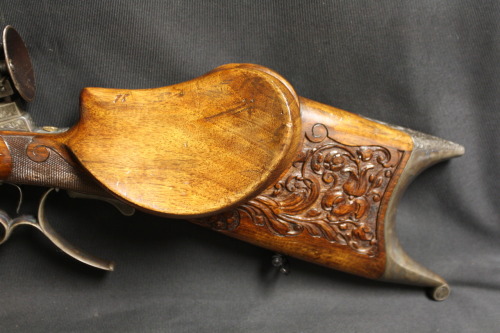
Ornate single shot breechloading German schuetzen target rifle, late 19th century.from James D. Juli
German Kar98k Low Turret sniper rifle with Hensoldt scope, World War II.from Rock Island Auctions
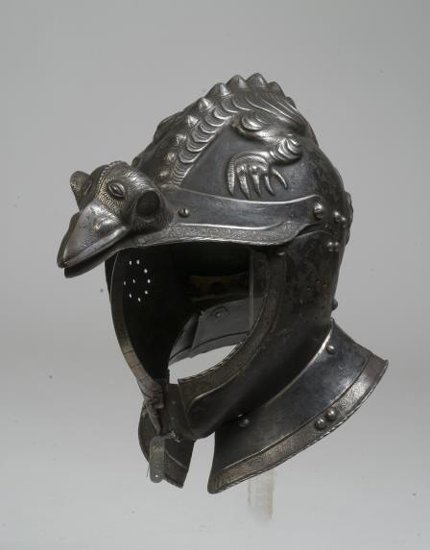
German burgonet, late 16th centuryfrom The State Historical Museum, Moscow
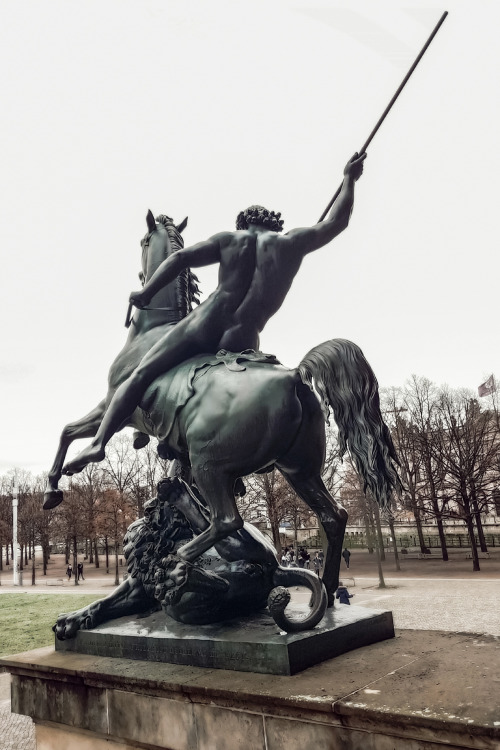
A statue of The Lion Fighter at the entrance of Altes Museum in Berlin, Germany.
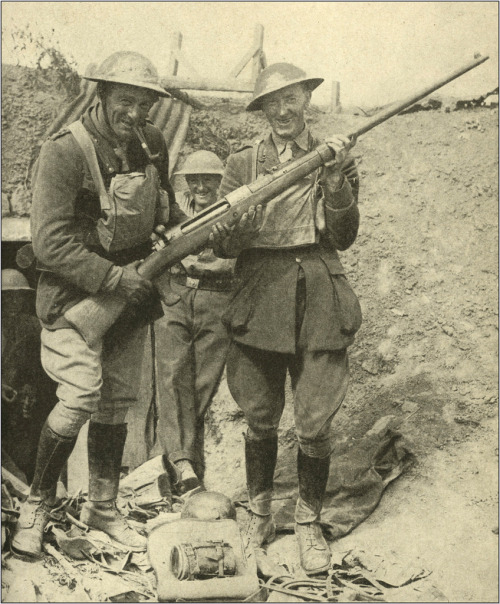
British soldiers with a captured German “T-Gewehr” anti tank rifle, World War I.
The Wood Powered Vehicles of the WehrmachtDuring World War II one factor that greatly hindered Germa
The walls have ears — Trent Park WWII.Trent Park, a large estate located north of London, was
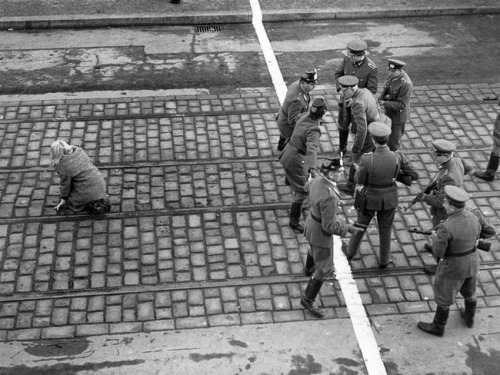
West and East German guards have a brief stare down after a young woman runs across the border in Be
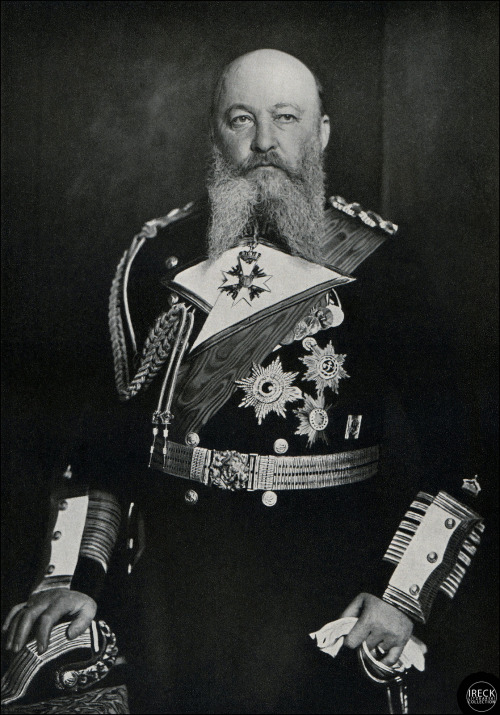
Grand Admiral Alfred von Tirpitz
historycultureeducation:“Large feast of rat goulash today” German Trenches 1916 [1600 x 1153] A comm
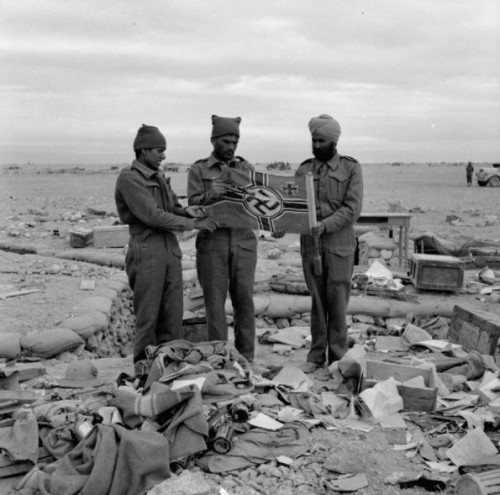
Soldiers of the 4th Indian Army hold a German flag captured in North Africa, World War II December 1
German Gothic mace, circa 1500from Hermann Historica
A set of German lobster tail armor, World War I.
An Old Time Traditon- Schuetzen Rifles and SchuetzenfestSchuetzen rifles were highly customized and
German Mauser C-96 Red 9 (9x19mm) semi auto pistol, World War Ifrom Hermann Historica
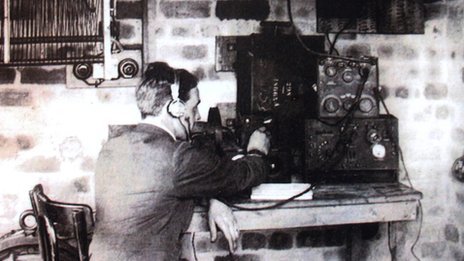
The Walls Have Ears —- The Secrets of Trent Park, WWII.Trent Park, a large estate located north of L
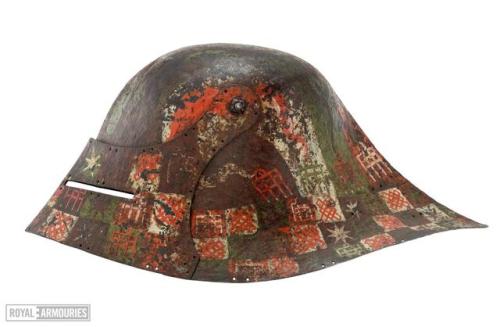
German sallet, circa 1490.from The Royal Armouries Collection
Ornate German wheel-lock rifle crafted by Christoph Keiner, circa 1730.from Hermann Historica
The Conversion of Paul, Adam Elsheimer, ca. 1598
Hound and Hare, Johann Christian von Mannlich (1741-1822)
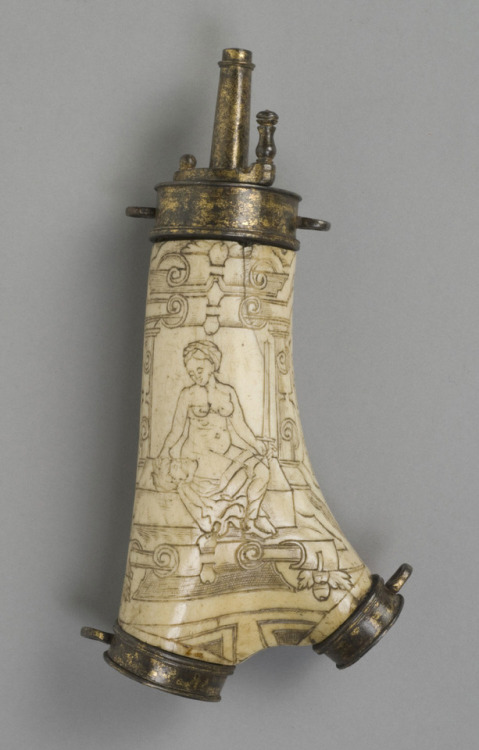
Engraved staghorn gunpowder flask, German, circa 1620.from The Philadelphia Museum of Art
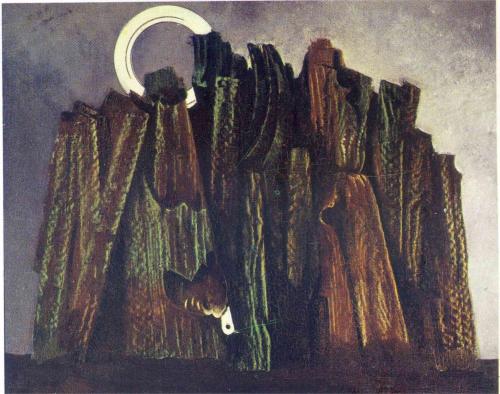
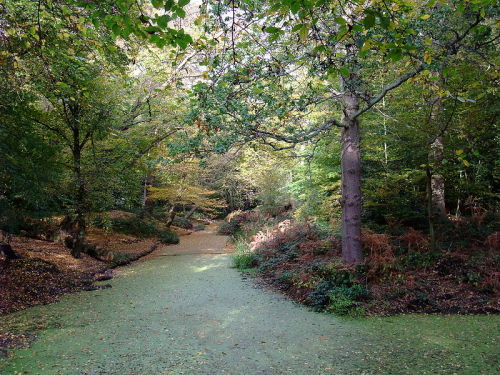
Dark Forest and Bird, Max Ernst, 1925
Prev Page
Next Page




![historycultureeducation:“Large feast of rat goulash today” German Trenches 1916 [1600 x 1153] A comm](https://64.media.tumblr.com/eb59ddea164b0041ff95731732e652e1/9c5fa56bbcd95d46-16/s500x750/970a3403f71540fdc2d75aeeb2b1a287a1c42ebb.jpg "historycultureeducation:“Large feast of rat goulash today” German Trenches 1916 [1600 x 1153] A comm")