TumblrPics.com
HOME
DMCA
Live
Gallery
Viewer
Indigenous
animation effects
higonokami
morirodare
神話
d-ridleys
LIVE
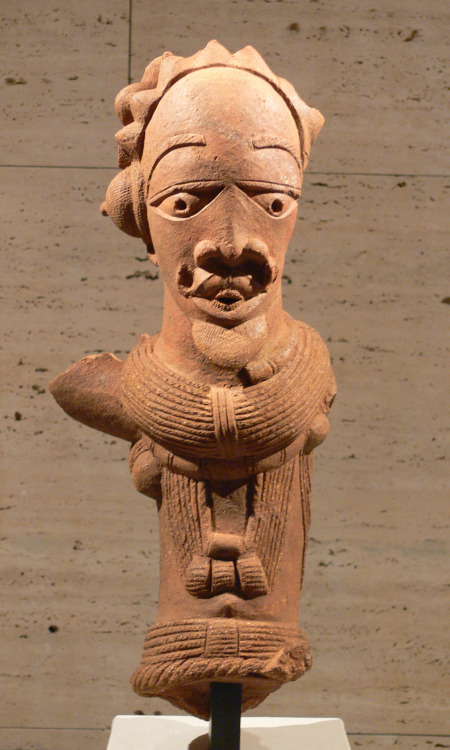
Male figure of the Nok culture of present-day northern Nigeria. Artist unknown; ca. 195 BCE-205 CE.
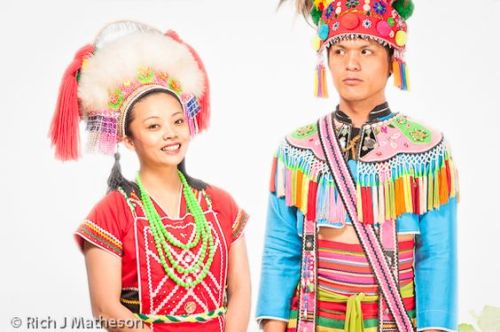
Amis indigenous people, Taiwan2. Lidau village4. Amis groom and Tiwan bride (I want MY man to carry
“People hear ‘resistance’ and ‘resilience’ and often think about survival in the face of incre
Members of the Karajá (Iny) tribe of the Araguaia River Basin (Part 1)
Cherokee beaded moccasin. Artist unknown; ca. 1815-1840. Now in the Bata Shoe Museum, Toronto.
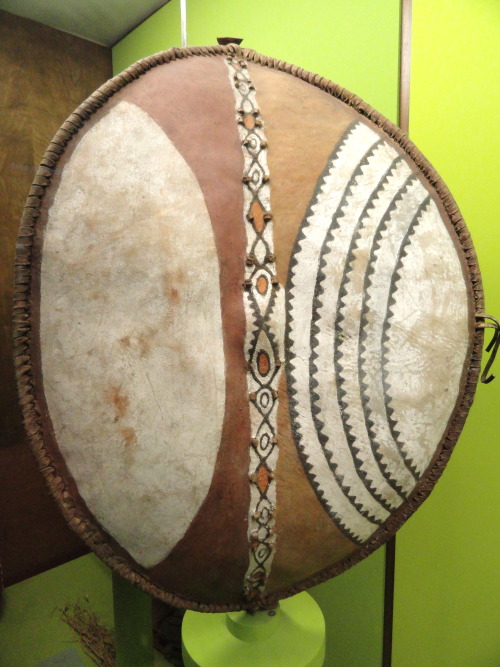
Shield of a Masai warrior. Now in the American Museum of Natural History, NYC.
blackandbrownlove:blackandbrownlove:The Aeta (Ayta, pronouncedEYE-tə), or Agta, are the indigenous b
iidrils:Historical Indigenous Two-Spirit & LGBTQ Figures:White Cindy: Twentieth Century Klamath
Source
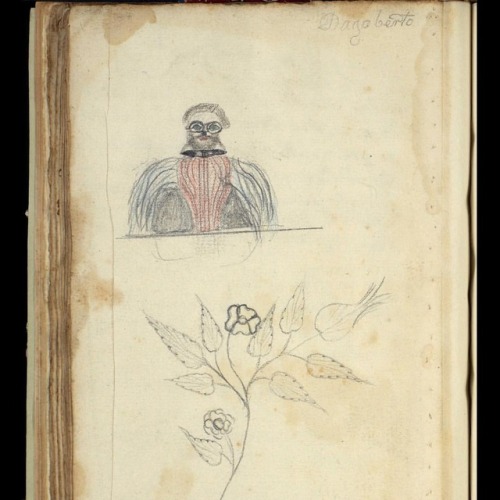
These pencil sketches belong to a #manuscript written by a parish priest of Nebaj, a home to the Ixi
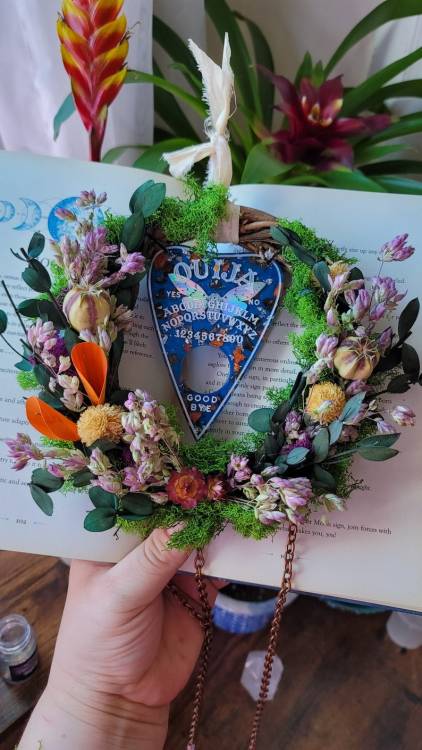
Oujia planchette wreath //TheMoonlitDreamer
annaofcleves:period drama + indigenous women From left to right: Adawehi (Outlander), Pocahontas (Th
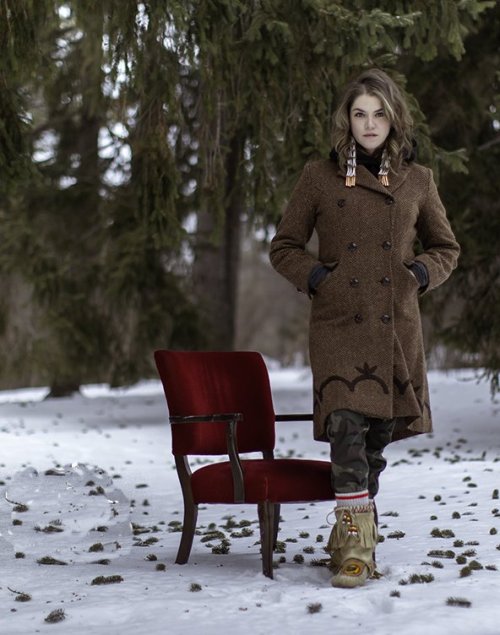
The Red Chair Sessions (@_RedWorks) Kaniehtiio Horn (@kaniehtiio) from Kahnawake, photographed in Od
tolstoyevskywrites:Important ideas to consider when creating characters who are black and indigenous
odoggx3:Mexico’s Indigenous Peoples.
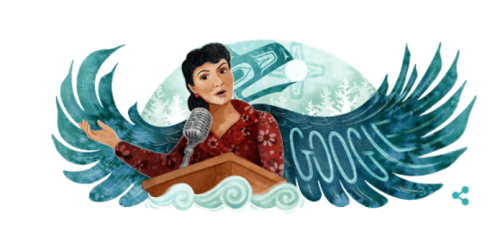
Elizabeth Jean Peratrovich (July 4, 1911 – December 1, 1958) was an American civil rights activist a
Zuni (A:shiwi) earthen vessel • Zuni Reservation, New Mexico, USA • AD 1885
allthebrazilianpolitics:Powerful portraits of indigenous peoples of the Amazon and the sacred territ
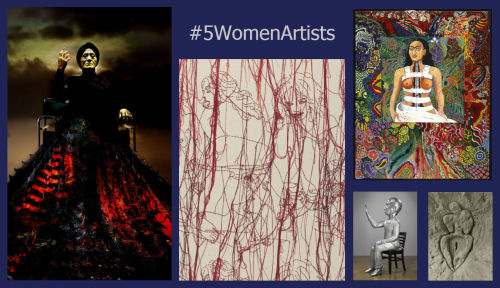
As Brooklyn Museum participates in the #5WomenArtists campaign started by The National Museum of Wom
The Pataxó are an indigenous people in Bahia, Brazil with a population of about 11,800 individuals.
A Chaman man, Brazil
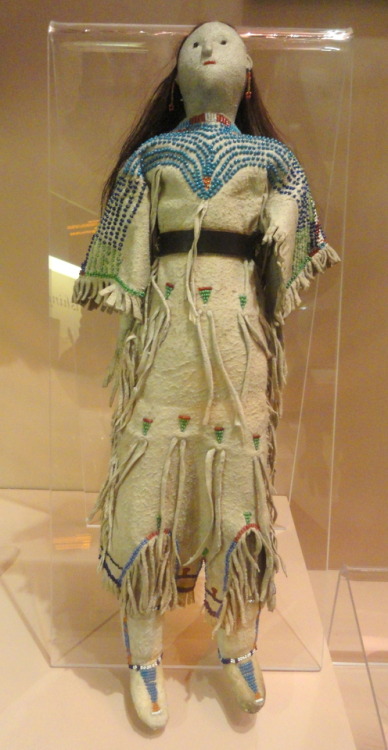
Doll of the Ute people, acquired in 1905. Now in the Native American collection of the Peabody Muse
#melanin #waronmelanin The Aeta (Ayta, pronounced eye-tə), or Agta, are an indigenous people who liv
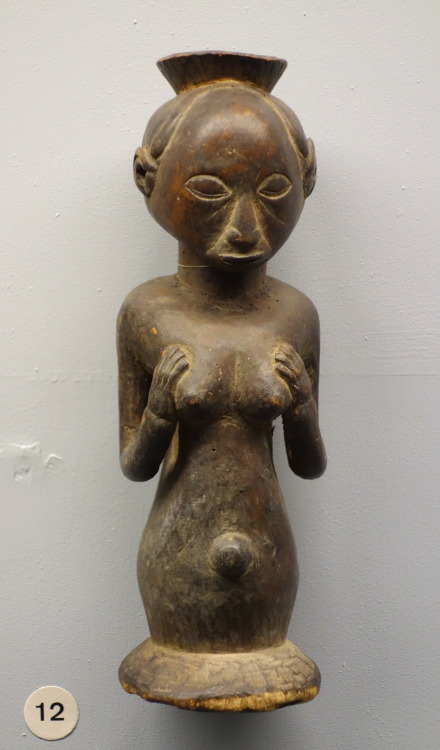
Female figurine of the Luba (Baluba) people, south-central Democratic Republic of the Congo. Now in
Prev Page
Next Page