TumblrPics.com
HOME
DMCA
Live
Gallery
Viewer
Magna
blacksaree
eeriecrests
grammostolapulchra
ghost-in-the-shul
sashinka
LIVE
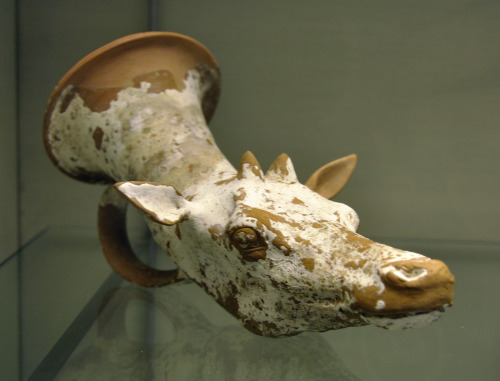
Ancient Greek rhyton in the shape of a hind’s (?) head. Artist unknown; ca. 350-300 BCE. Fou
Lucanian tomb painting depicting a warrior’s return home. Artist unknown; ca. 375-370 BCE. Now in
podasokus:‘e rivo flumina magna facis’ “you are making large rivers out of a stream.” [Ovid, Ex Pont
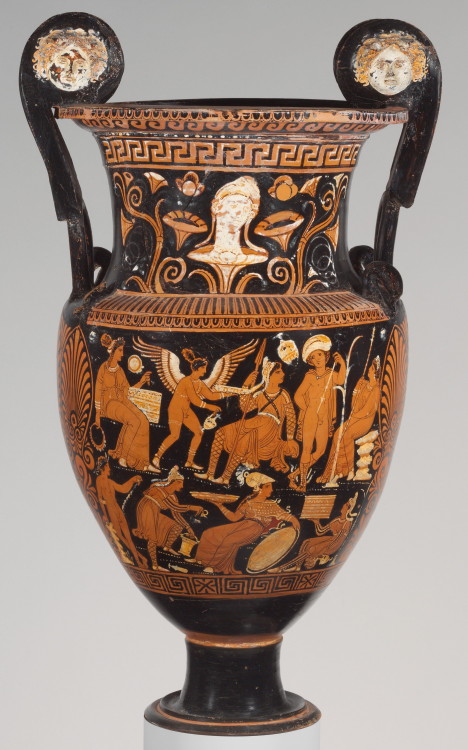
Terracotta volute-krater with the Judgment of Paris (left) and naiskos with a statue of the deceased
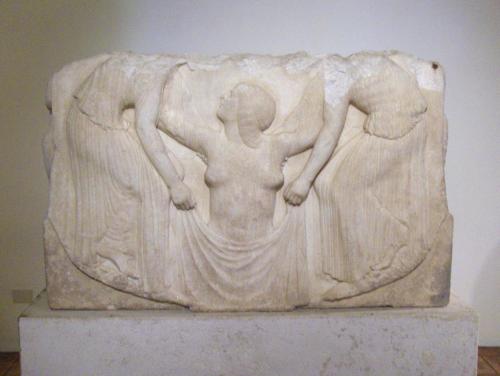
A so called “Ludovisi Throne” that was found from the Gardens of Sallust in 1887
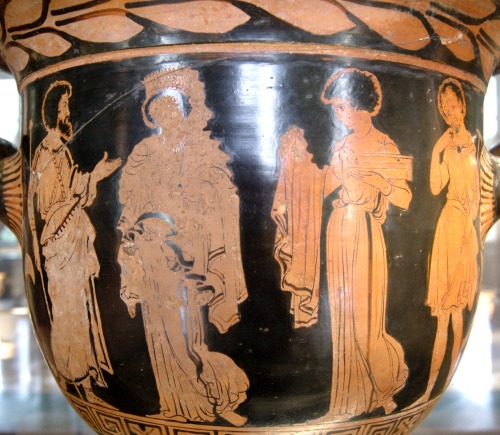
Creusa, princess of Corinth and bride-to-be of Jason, receives wedding presents from Jason’s p
hellenismo:Τετάρτη Μεσοῦντο&sigm
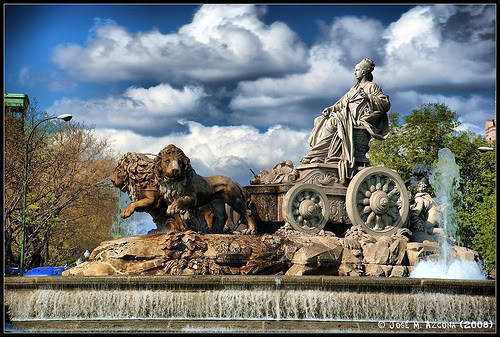
The Fountain of Cybele designed by Ventura Rodriguez between 1777 and 1782. Statue of Cybele and he
Scientia tua terrae magna eritYour knowledge of the land shall be great
Preparedness, 1968, Roy LichtensteinMedium: magna,oil,canvas
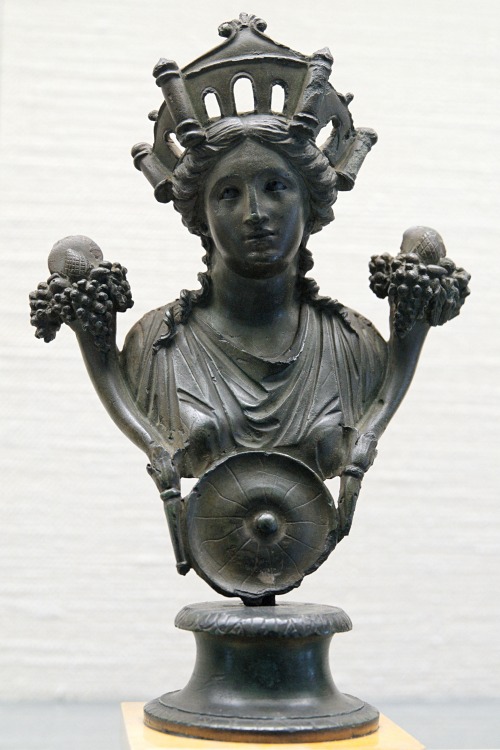
lionofchaeronea:Unknown Gallo-Roman artistBust of Cybele (Magna Mater) with two cornucopiae, 1st cen
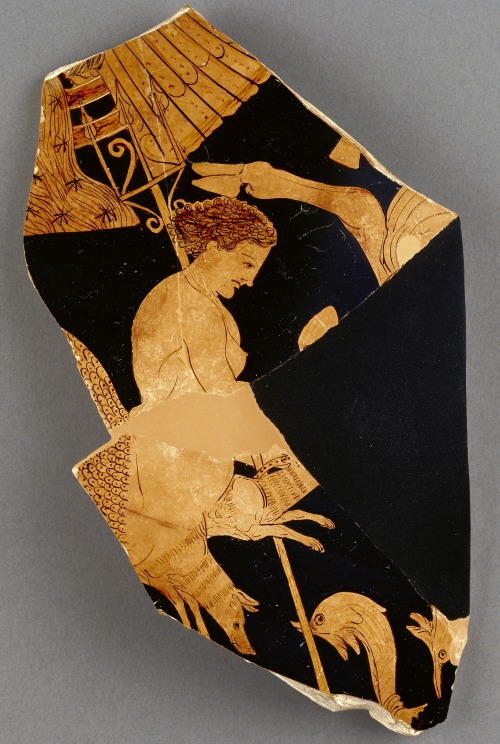
Fragment from a red-figure bell-krater with Scylla, by the Black Fury Group. From Apulia, South
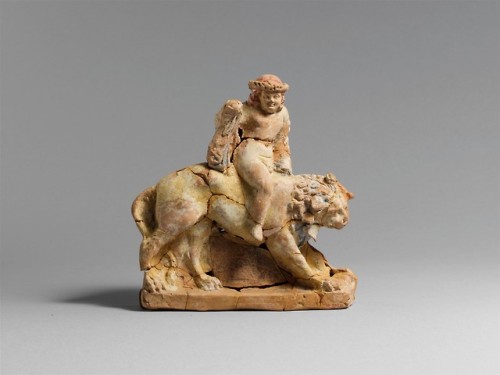
met-greekroman-art:Terracotta statuette of Eros on a lion, Greek and Roman ArtRogers Fund, 1912Metro
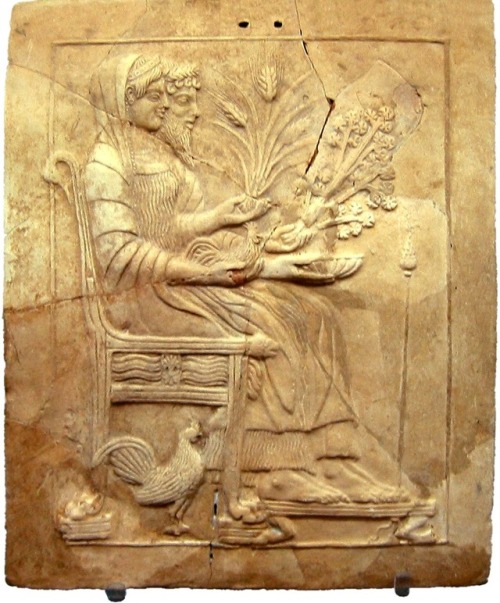
mythologyofthepoetandthemuse:Pinax of Persephone and Hades from Locri. Reggio Calabria, National Mus
The marketplace at Leptis Magna (Libya).Founded as a Phoenician colony in the 10th century BC,Leptis
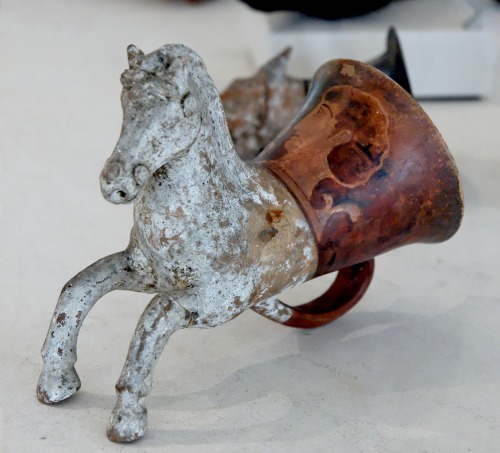
Red-figure rhyton in the shape of a galloping horse. Unknown Lucanian artist, 4th cent. BCE.&n
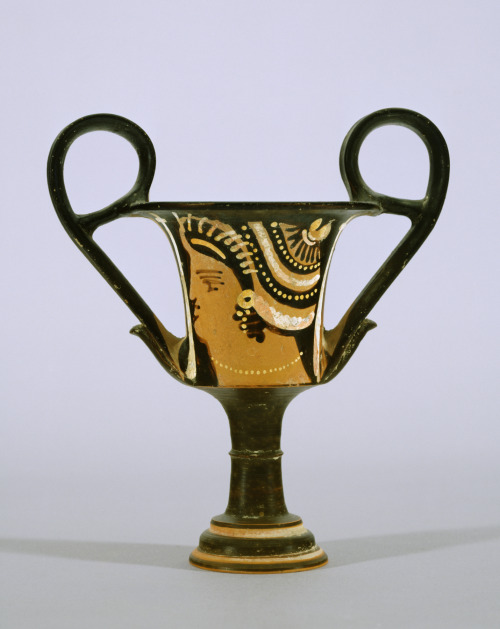
A red-figure kantharos (drinking cup) with a depiction of a woman’s head. Unknown ar
snippywizard:Pyra Magna needs more love
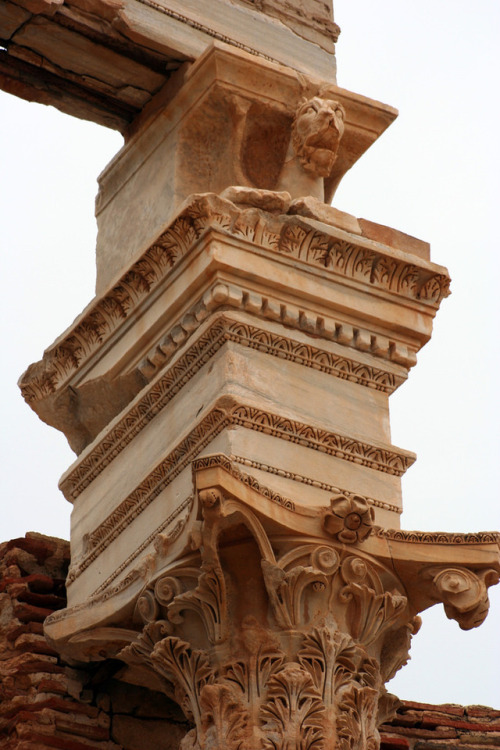
mostly-history:Corinthian capital of the Severan Basilica, with a winged griffinabove (Leptis Magna,
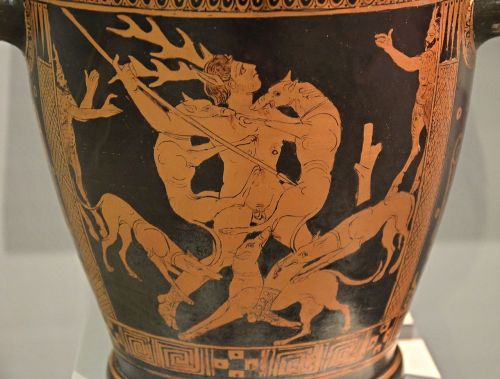
Actaeon, transforming into a deer, is torn apart by his hounds. Apulian red-figure skyphos, ar
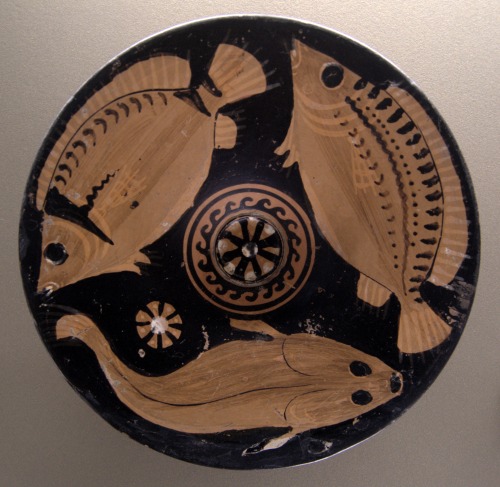
Apulian red-figure fish plate. Attr. to the Group of Karlsruhe 66-140; ca. 350-325 BCE.
Mythology - House of CadmusCadmus fighting the dragon that was guarding the spring of Niad Ism
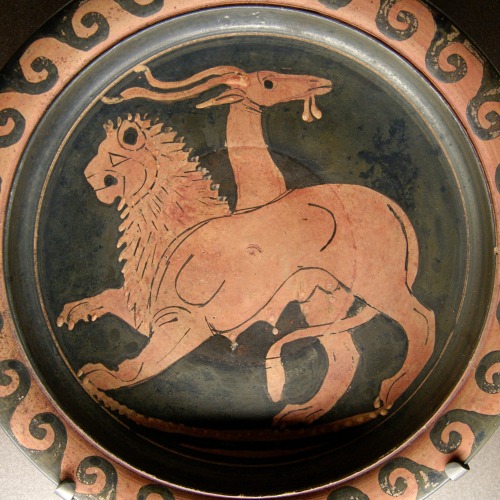
The Chimera. Apulian red-figure dish by a painter of the Lampas Group, ca. 350-340 BCE.
Francesco Lojacono (1841–1915)Tempio di Giunone con Agrigento sullo sfondo
Prev Page
Next Page