TumblrPics.com
HOME
DMCA
Live
Gallery
Viewer
Persian History
jez tozer
murder dads
estevez swimwear
ronaldo gutierrez
planatomy
LIVE
NEW MAP: Europe 283: Carus’ Persian campaign (July 283) buff.ly/3e5hPeg In late 282 Pr
yan-wo:The Conference of the Birds, Persian Manuscript, circa 1600; SafavidIran (Isfahan)
Bagoas, the Persian Boy… Alexander the Great conquered his empire and homeland – Pe
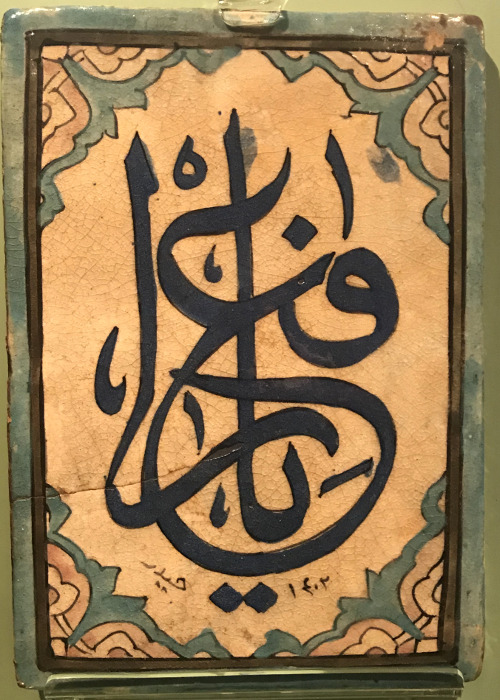
Persian glazed fritware tile dating back to 1885. Sharjah Museum of Islamic Civilization, Sharjah, U
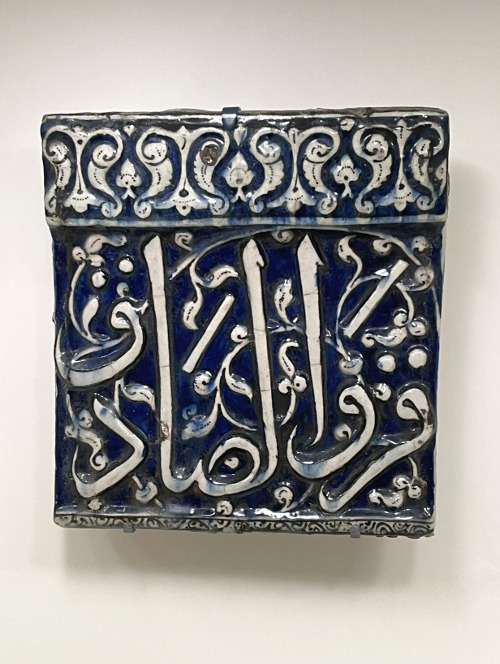
Persian glazed tile from the Keir Collection of Islamic Art, dating back to late 13th-early 14th cen
Persian fritware bottle from the Keir Collection of Islamic Art, dating back to the 17th century CE.
Persian miniature painting from the 16th century, depicting Muhammad, his face veiled, ascending on
Gaming in the ancient world: selected artefacts from the Penn Museum. Gameboard from Ur, I
Naqsh-e Rustam - ancient necropolis of Persian kings: Darius, Xerxes, Artaxerxes I, Darius II. 1000
Check out this unibrowed babe making herself all pretty via Persian Painting! “A YOUN
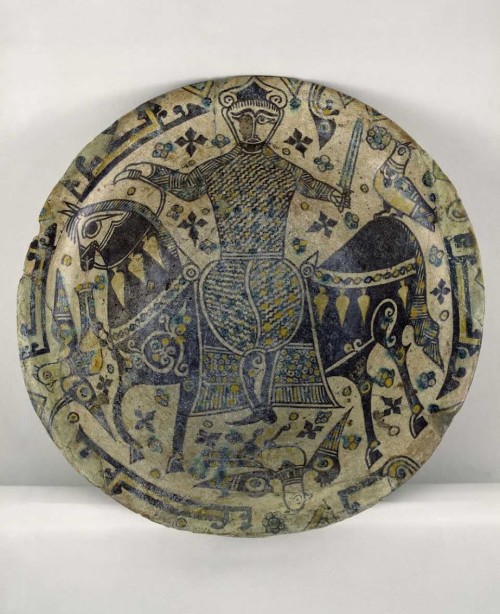
Dish with Rider, Samanid Empire, Nishapur, Iran, 9th or 10th century, Ceramic; Earthenware, und
marmarinos:Achaemenid Persian relief depicting a member of the royal guard, dated to the 5th-4th cen
archaeoart: Palace of Xerxes, Persepolis, Iran, circa 1930s.
Underglaze-painted bowl with hexagram decorations from medieval Persia, dating back to the 13th cent
Silver and gilt shallow bowl from the Sasanian period. The bowl dates back to the 5th-7th century CE
Turquoise ceramic jar from Mesopotamia or Persia, dating back to the 7th century CE. Sharjah Museum
Persian shield dating back to 1760 CE. The shield is made with bronze and silver, brass, and enamel
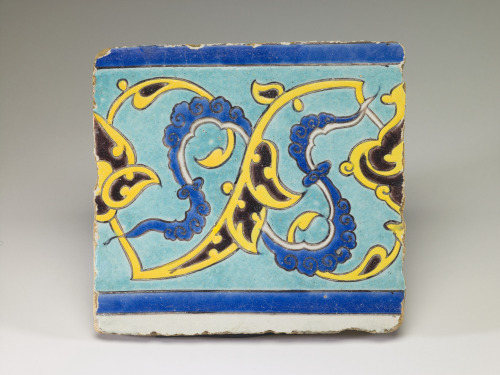
Persian Tile, Safavid dynasty, late 16th to early 17th centurySaint Louis Art MuseumProven
Persian glazed tile dating back to the late 19th century CE. The tile depicts a horse rider hunting
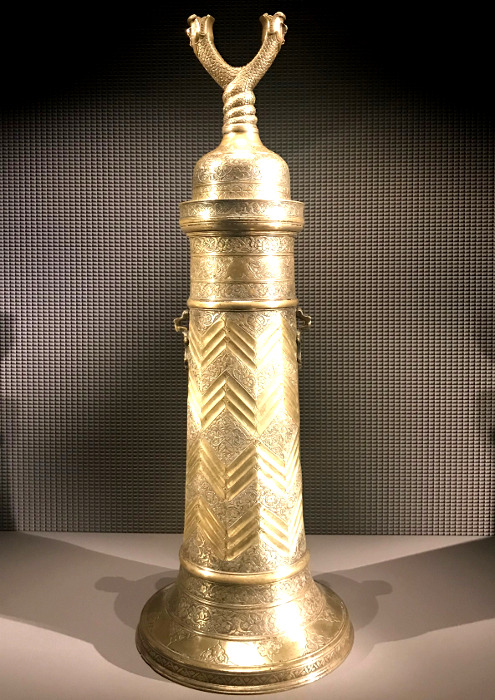
Persian brass torch stand, dating back to the 16th century CE. Museum of Islamic Art, Doha, QATAR.&n
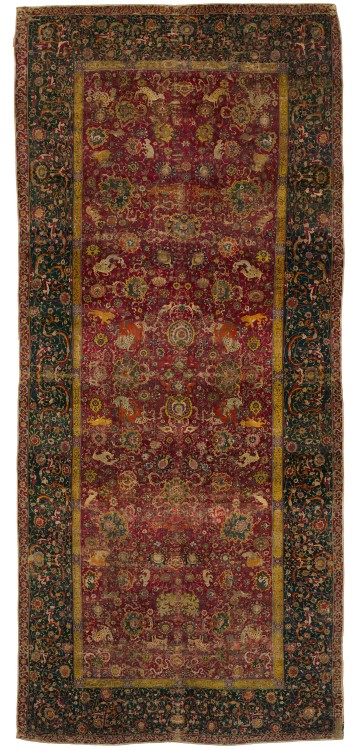
A 16th century Persian carpet that was owned by the Hapsburg family and used in one of their summer
Safavid ceramic tile dating back to late 17th-early 18th century CE. The tile was probably made in I
Persian glazed tile dating back to the late 19th century CE. The tile depicts a horse rider feeding
Silver-gilt Sasanian ewers dating back to the 7th-8th century CE prior to the fall of Ctesiphon, the
Prev Page
Next Page