TumblrPics.com
HOME
DMCA
Live
Gallery
Viewer
S Carving
i-puppygirl
elza a
elzas3
dick-my-ass
silver braclets
LIVE
Mirror-Bearer. Maya. Guatemala or Mexico, Mesoamerica. 6th century. Met Museum, New York. “This Mirr
Carved exorcist’s horn (thun rva) from Bhutan or Tibet. Artist unknown; prob. 19th century. Now in
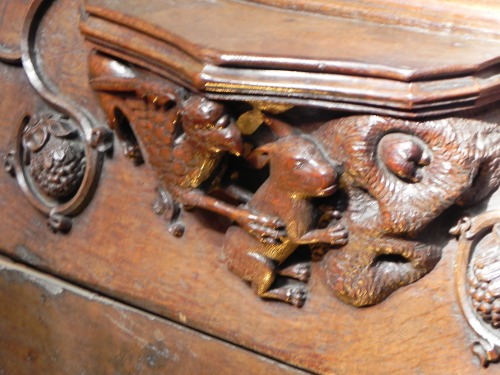
s-e-werronen:Misericord, Ripon Minster (Yorks)This woodcarving shows a griffin seizing a rabbit whil
medievalvisions:Carved walrus ivory crozier head, Norway, late 14th century. Courtesy of the V&A
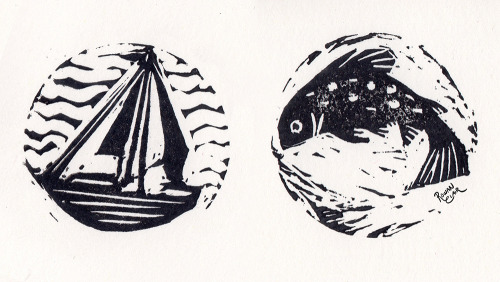
Some tiny stamp carving! ⛵I recently got the urge to make some linocuts, so I’m rolling with i
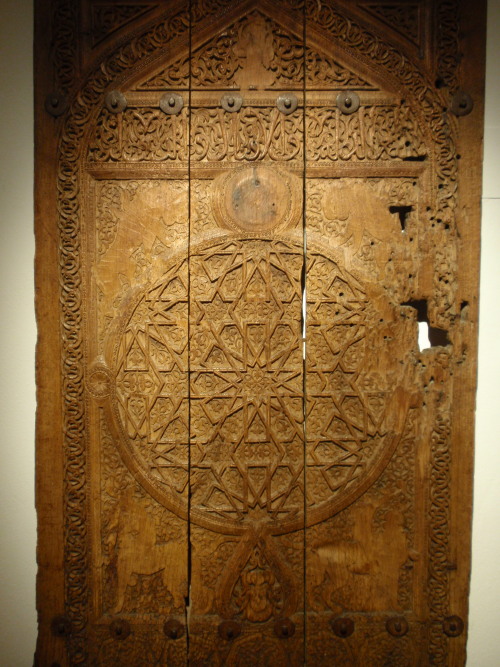
Istanbul Turkish and Islamic Arts Museum - from wooden window shutters, wood carvings, c. XII centur
A very interesting wheel-lock musket with intricately engraved stock.
Standing male shrine figure of the Igbo people, Nigeria. Artist unknown; 20th century. Now in the
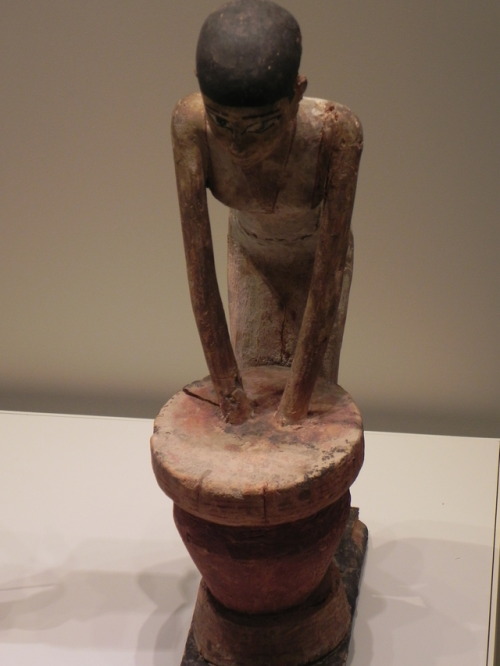
Ancient Egyptian wooden figurine of a worker brewing beer. Now in the Israel Museum, Jerusalem. Ph
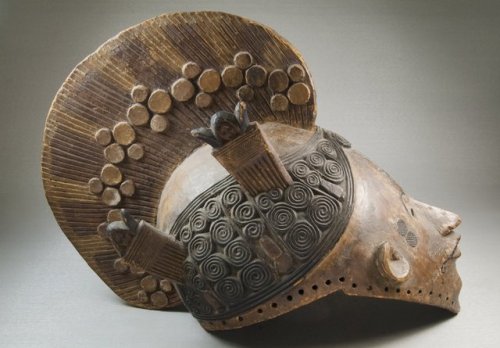
Dance crest with two faces (one red, one white) used in the ekeleke performance by the Igbo people,
Maiden spirit mask (agbogho mmuo) of the Igbo people, Nigeria. Carved from wood and decorated with
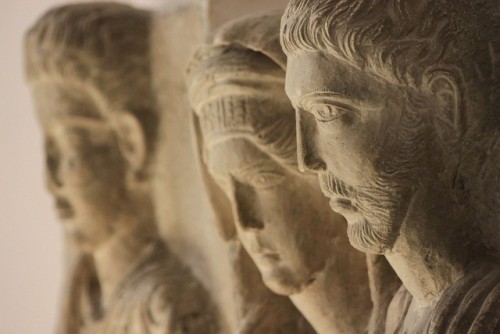
pipouch:Source: Hatay Museum Historical Worksan unidentified and un-dated stone carving The Hatay Ar
Male face mask of the Wee people, eastern Liberia/western Côte d'Ivoire. Wood, decorated with pig
Poro Society mask of the Dan people, Côte d'lvoire or Liberia. Artist unknown; early 20th century.
Bu Gle (mask with hinged jaw) of the Dan people, Liberia. Artist unknown; 19th century. Now in the
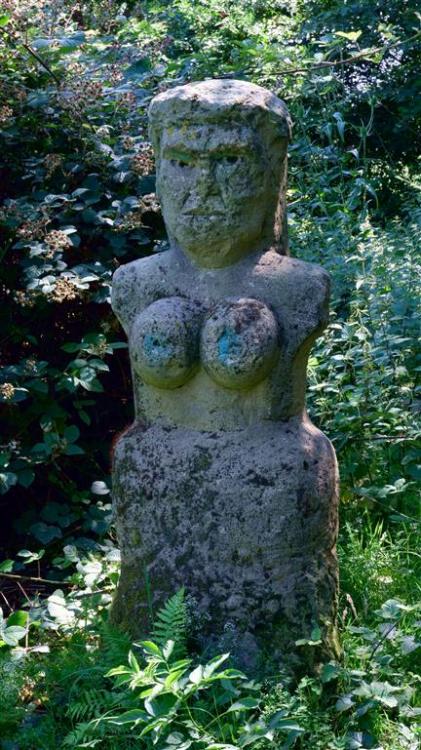
Well Hello.If you go down to the woods today, you never know who you’ll meet.
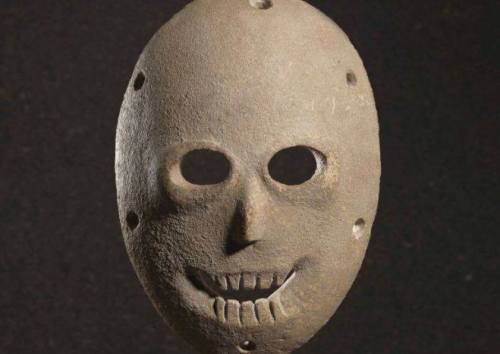
The oldest human masksCarved out of limestone from the Judean Hills around 9,000 years ago in the ea
Face Mask (war mask - Bu Glë), Late 19th century. Dan people, Liberia.
Statue of a prince of Tekhet, a district in Nubia (present-day Sudan). The prince is depicted in tr
the 3 blocks that create my linocut, “Sleeping Frida”
Ancient Egyptian limestone statue of a woman named Nehy, chantress for the goddess Hathor, seated an
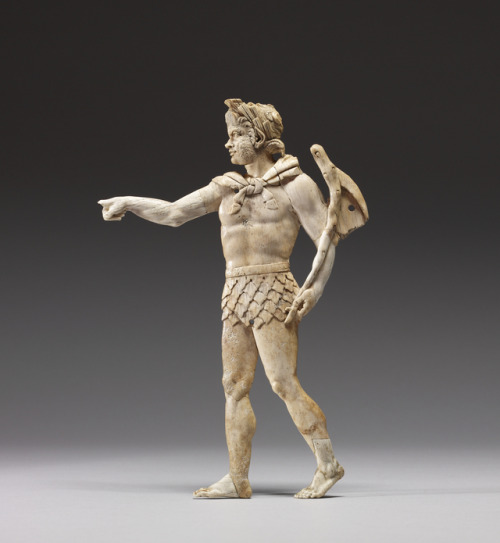
Decorative ivory plaque in the shape of a satyr. Artist unknown; 2nd cent. CE. From Athens; now in
Ancient Greek ivory appliqué (probably originally part of a furniture decoration) depicting a satyr,
Ancient Roman marble mask depicting a satyr. Artist unknown; 2nd cent. CE. Now in the Capitoline M
Prev Page
Next Page