TumblrPics.com
HOME
DMCA
Live
Gallery
Viewer
Spanish Baroque
sans facon
queueueueueueuueu
e chestertownhall18
whargleblarlge
protectyourconscious
LIVE
unclegrimace:Bartolomé Esteban Murillo’s Our Lady of the Immaculate Conception
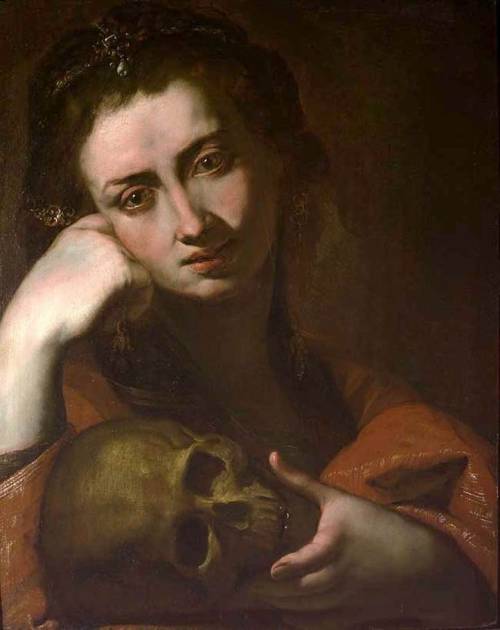
Jusepe de Ribera (1591-1652), ‘The Penitent Magdalene’, 1620Source: www.sdmart.or
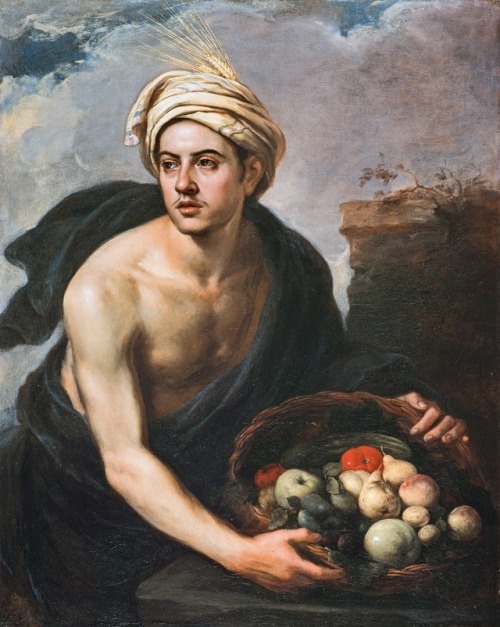
Young Man with a Basket of Fruit (Personification of Summer), Bartolomé Esteban Murillo, ca. 1640-50
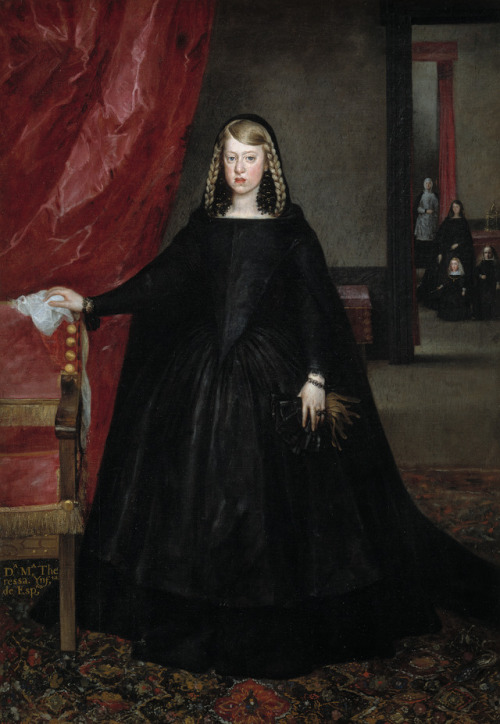
Princess Margarita Teresa of Spain in Mourning Dress, Juan Bautista Martínez del Mazo, 1666
St. Michael Archangel, Ignacio de Ries, ca. 1650-55
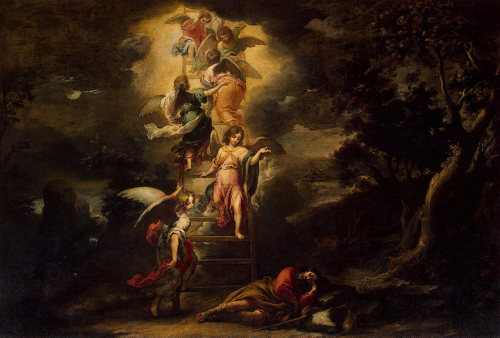
Jacob’s Dream, Bartolomé Esteban Murillo, between 1660 and 1665
The Young Beggar, Bartolomé Esteban Murillo, ca. 1645
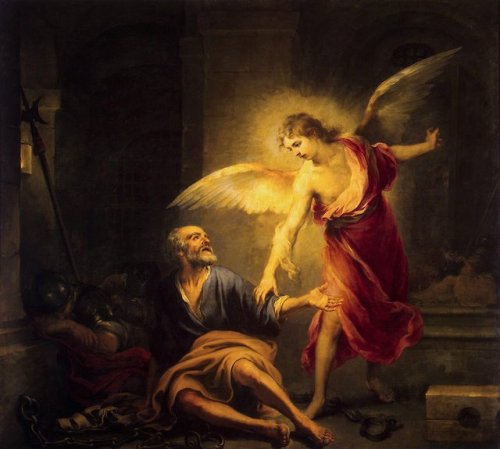
Liberation of St. Peter, Bartolomé Esteban Murillo, between 1665 and 1667
Adoration of the Magi, Bartolomé Esteban Murillo, 1655-60
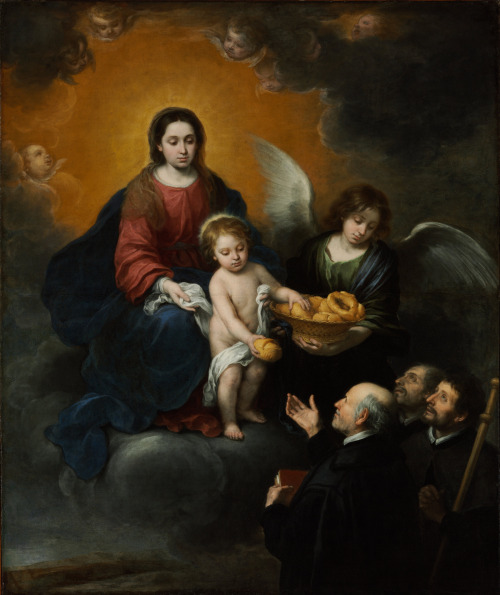
The Infant Christ Distributing Bread to the Pilgrims, Bartolomé Esteban Murillo, 1678
Saint Mary Magdalene, Bartolomé Esteban Murillo, 1650-55
St. Peter in Tears, Bartolomé Esteban Murillo, ca. 1650-55
The Crucifixion, Bartolomé Esteban Murillo, ca. 1675
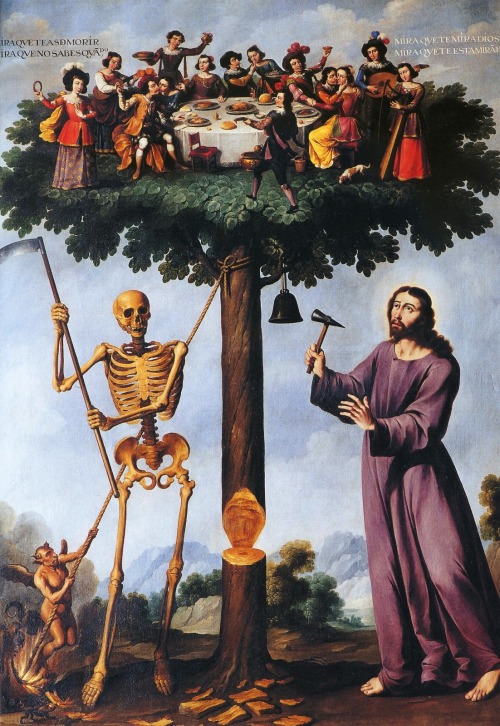
Ignacio de Ries (1612-1661), ‘Alegoria del Arbol de la Vida (Allegory of the Tree of Life)&rsq
The Flight into Egypt, Bartolomé Esteban Murillo, 1650
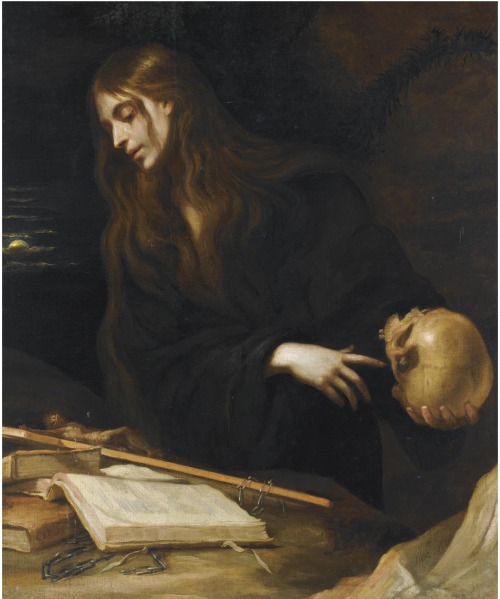
Mateo Cerezo (1637-1666), ‘The Penitent Magdalene’, 1661
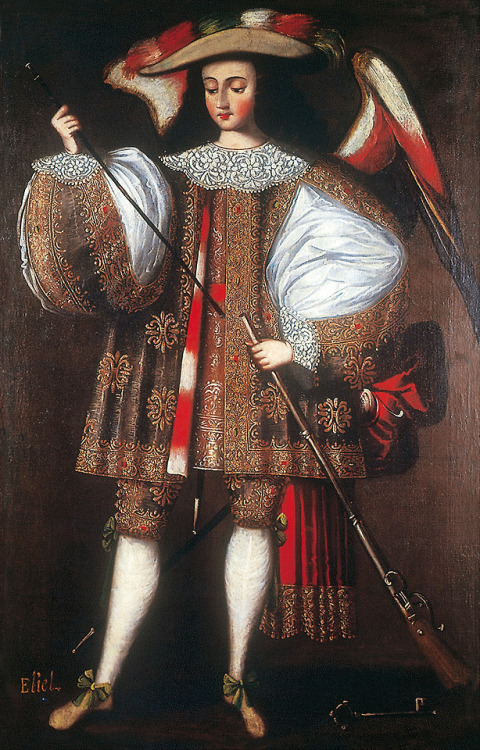
Archangel Eliel with Harqebus, anonymous artist of the Cuzco School, ca. 1690-1720
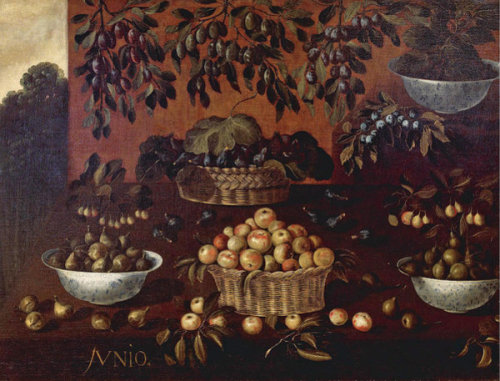
Francisco Barrera (1632–1657)An allegory of the month of June: Still life of apples, plums, figs and
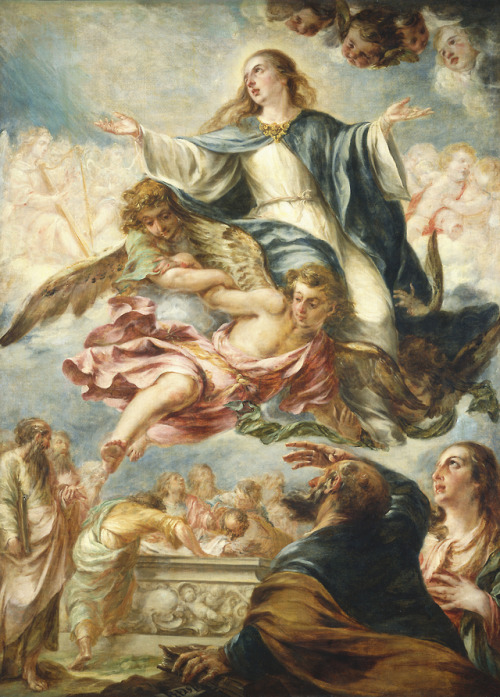
La Asunción de la Virgen por Juan de Valdés Leal, 1658-60.
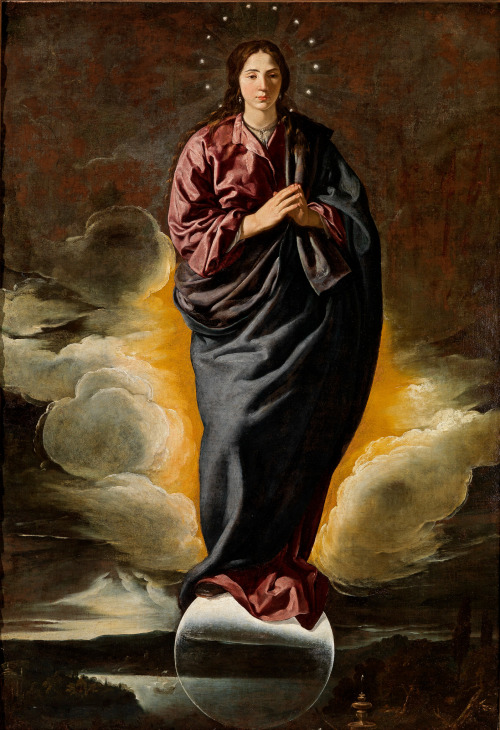
The Immaculate Conception, attributed to Diego Velázquez or Alonso Cano, c.1618-20, oil on canvas, 1
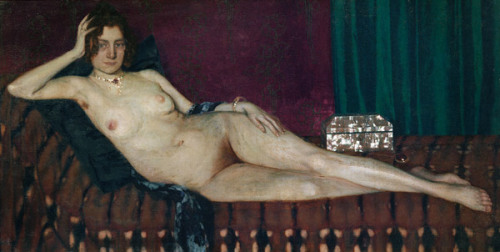
Oskar Zwintscher, Mother of Pearl and Gold, 1909.
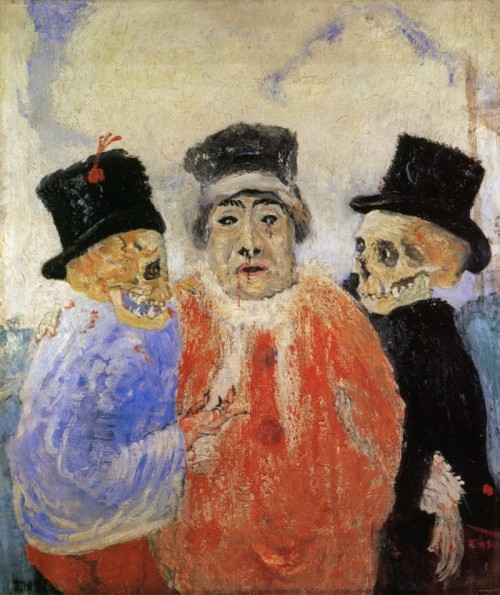
James Ensor, The Red Judge, 1900.
Aesop, Diego Velázquez, ca. 1638
monsieurlabette:Jusepe di Ribera, Prometeo (Prometheus), c. 1630
Prev Page
Next Page