biodiverseed:biodiverseed:Insect HotelsOver 30% of solitary bee species are wood nesters, some spend

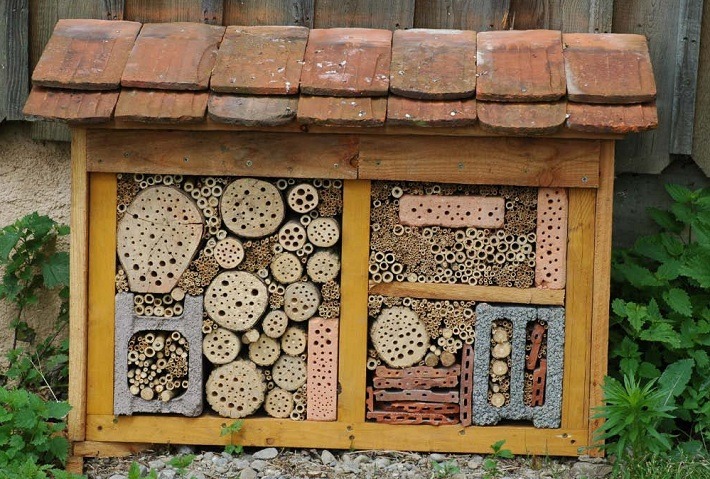
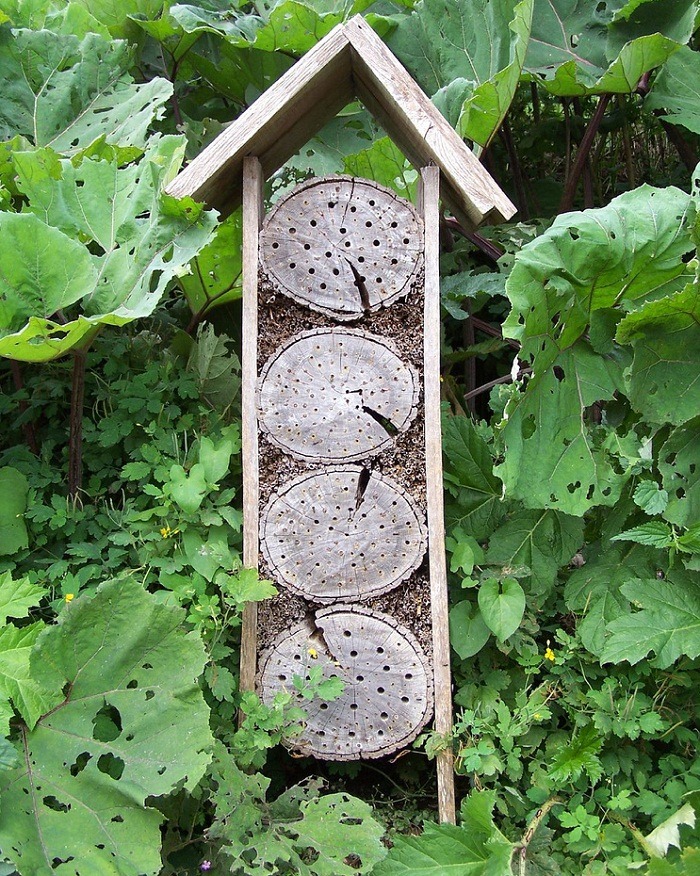

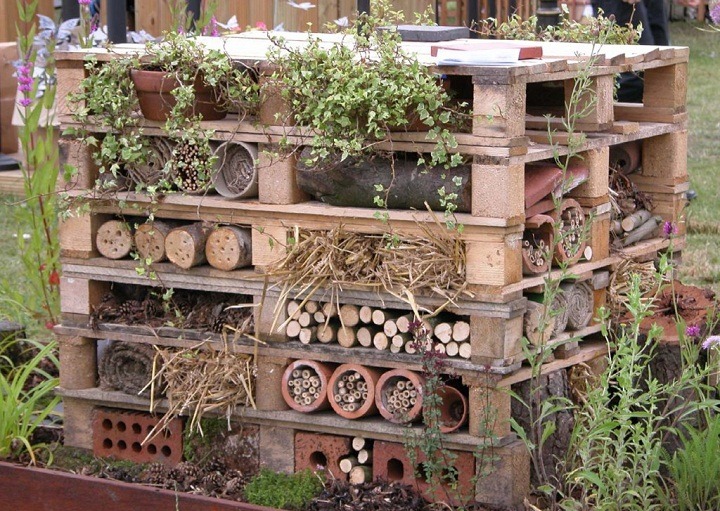
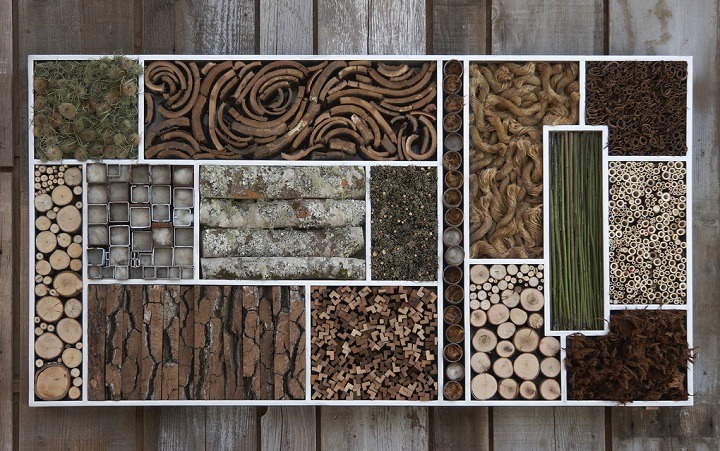
biodiverseed:biodiverseed:Insect HotelsOver 30% of solitary bee species are wood nesters, some spending up to nine months of their lives as larvae incubating in forest deadfall. Ladybugs hibernate over winter in stacks of twigs, and other beneficial creatures – like wasps, lizards, moths, hedgehogs, beetles, and dragonflies – love to find little nooks and crannies to hide from predators and the elements, at any time of year.An insect hotel is ideally placed in a sheltered location, but still in the sunlight. Ants sometimes eat bee larvae, so a solitary bee hotel is best placed off of the ground. Often, a wire mesh is placed on the outside to prevent bird predation. Ideally, the surrounding area should host flowering and insectary plants, to provide food for the guests!These natural habitats are often missing from a domestic or overly-landscaped garden, and are absolutely vital to the health of your plants, local life web, and for the pollination of your garden. Designing for your native wildlife is crucial for a long-term healthy, productive, and sustainable space. Good, ecologically-minded design also minimises the amount of work you have to do: for example, I find that when I practice companion planting with insectary Apiaceae-family plants, I never have an aphid problem, because predatory beetles abound, and they eat problematic insects before they get established. Creating balanced ecosystems is a form of biological pest control.An insect hotel is easily made from twigs, wood, tiles, pinecones, bricks, bark, grass, and other natural or salvaged materials. The form can differ, depending on what sort of creatures you would like to attract, and your aesthetics, but it should basically be designed from a “bug’s eye” view of the world: research what your local species are and what they require in terms of a habitat, and then create it for them in a manner that appeals to your eye.These are also excellent projects for kids: they are fun and easy to make, interesting to observe, and help foster an early understanding of biology and ecology.#DIY #bees #insects #entomology #biomimicry #permaculture #kids #artPre-made insect hotels: North America / EuropeImages:B. Alter - Royal Bank of Canada New Wild Garden at the Chelsea Flower Showsav-überlingen.deSissi de Kroon, flickr.comInsect hotel in Hoofddorf, Holland. Bob Daamen, flickr.comCheshire Wildlife Trust, cheshirewildlifetrust.org.ukKevin Smith and Lisa Lee Benjamin. floragrubb.comInspiration Green Article on Insect HotelsEnjoying these articles? Support my writing on Patreon. -- source link
Tumblr Blog : biodiverseed.tumblr.com