TumblrPics.com
HOME
DMCA
Live
Gallery
Viewer
3 Bce
chinaplayer
bearlikebear
dramaintherain
dont-trust-bugs
blackladieswhitecock
LIVE
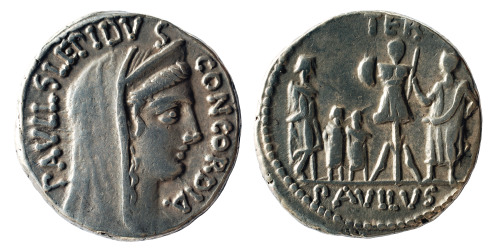
Denarius (62 BCE) of Lucius Aemilius Lepidus Paullus. On the obverse, the goddess Concordia (Concor
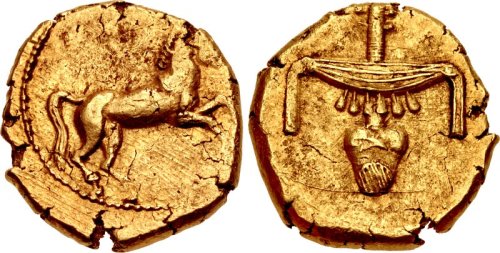
Gold stater of the 30th Dynasty pharaoh Nectanebo II (r. 361-343 BCE), last native ruler of Ancient
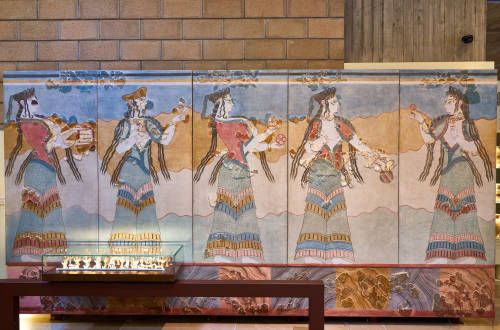
Mycenaean religious procession* Palace of Thebes* 14th / 13 th century BCE* Archaeological Museum of
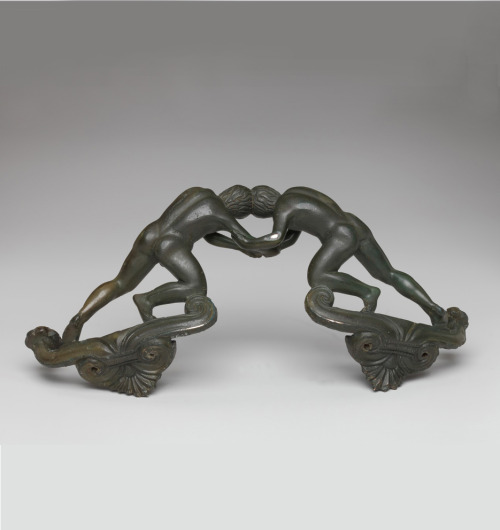
Borsdorfer Henkel, handle of a bronze bowl, 400 BCE. Germany. Hessisches Landesmuseum Darmstadt, pho
Aphrodite* 4th century BCE* Fanagoria. Taman peninsula* Hermitage source: Joanbanjo / CC BY-SA (http
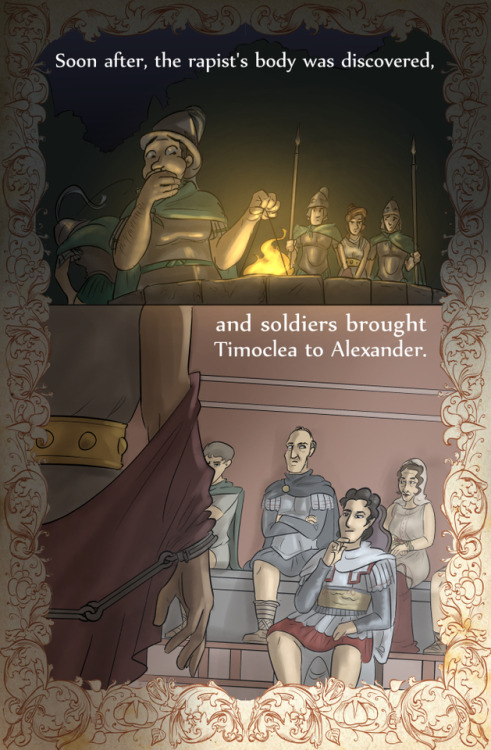
rejectedprincesses:Timoclea (4th century BCE): the Woman Who Threw Her Rapist in a WellThis was not
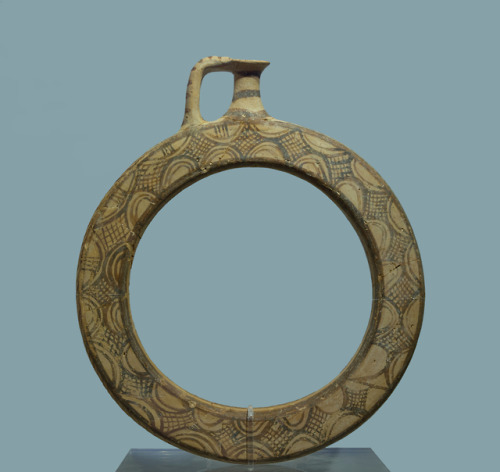
A circular clay recipient. 1500 BCE.Photo by Jebulon
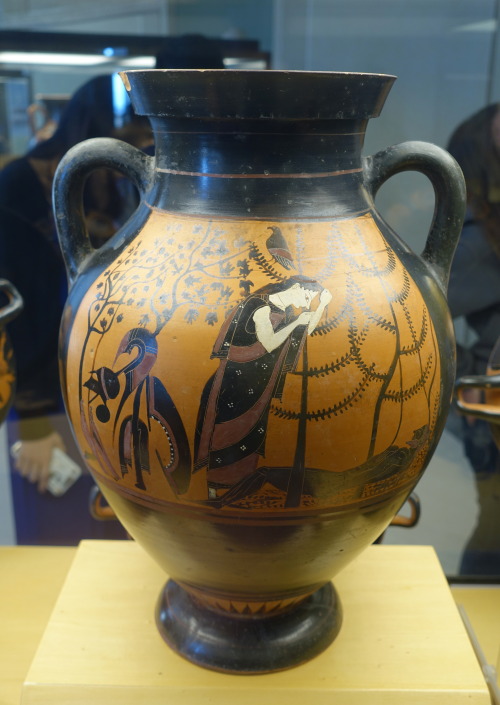
Vatican mourner* A woman mourning over a dead warrior* Attic* c. 530 BCE* Vatican MuseumsAttribution
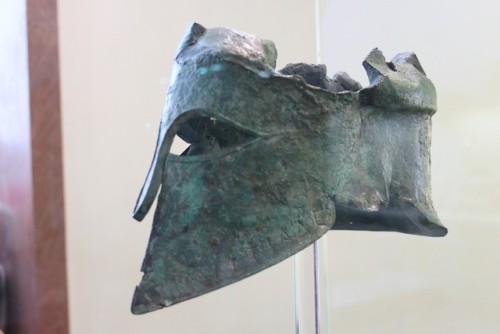
Today in History - Battle of Marathon (September 12, 490 BCE)* Traditional date of the battle* Helm
A “famine stela” from Ptolemaic Egypt (332-31 BCE) describing a seven-year period of hardship during
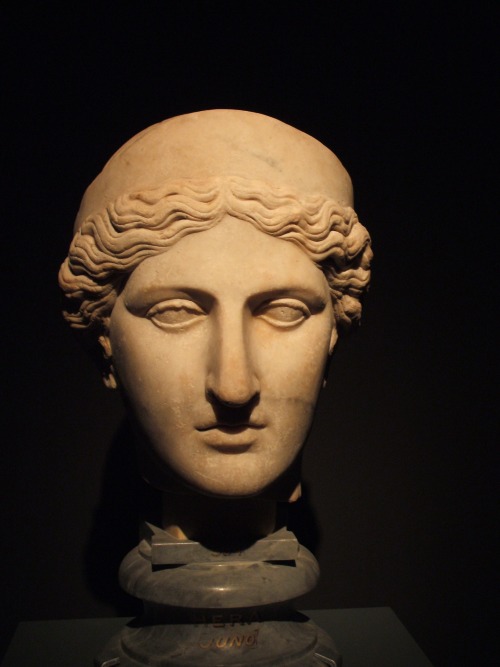
Bust of Hera. Roman-era copy after a Greek original of ca. 420 BCE. Now in the Museo Arqueológico
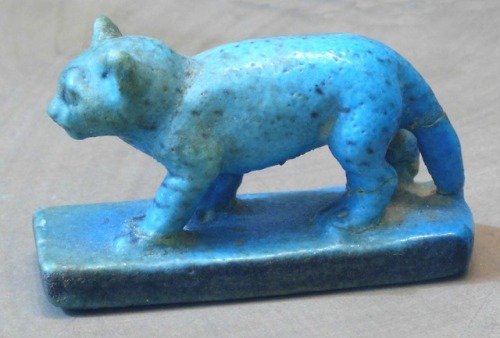
imperium-romanum:Blue faïence cat figurineMiddle Kingdom, c. 19th Century BCE.Ecce caerulea felis fi
Blue faïence cat figurineMiddle Kingdom, c. 19th Century BCE.
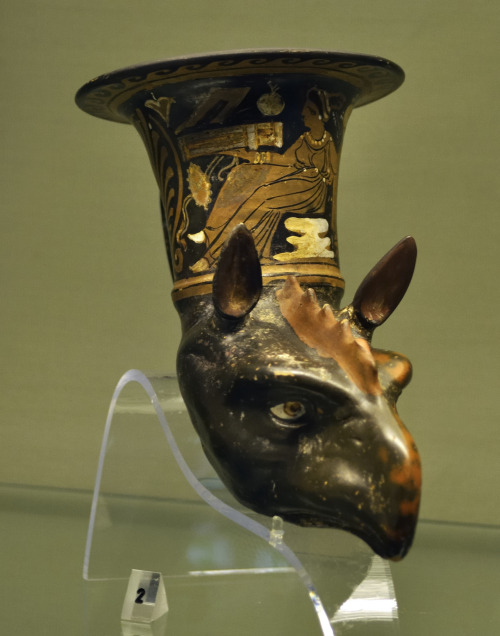
Red-figure rhyton in the shape of a griffin’s head. Unknown Apulian artist, ca. 330 BCE. Now in th
Aryballos depicting a goose flanked by griffins. Artist unknown; ca. 575-550 BCE. Now in the Natio
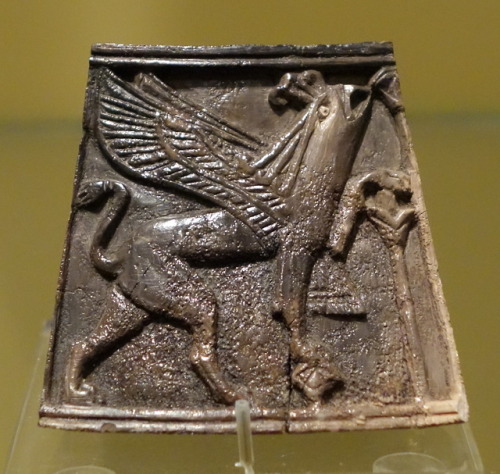
Ancient Assyrian ivory box panel depicting a griffin and sacred tree. Artist unknown; ca. 800 BCE.
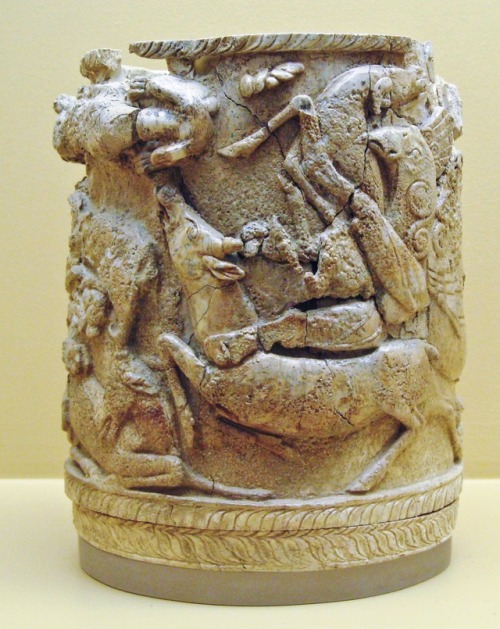
Mycenaean ivory pyxis depicting griffins attacking stags. Artist unknown; late 15th cent. BCE. Now
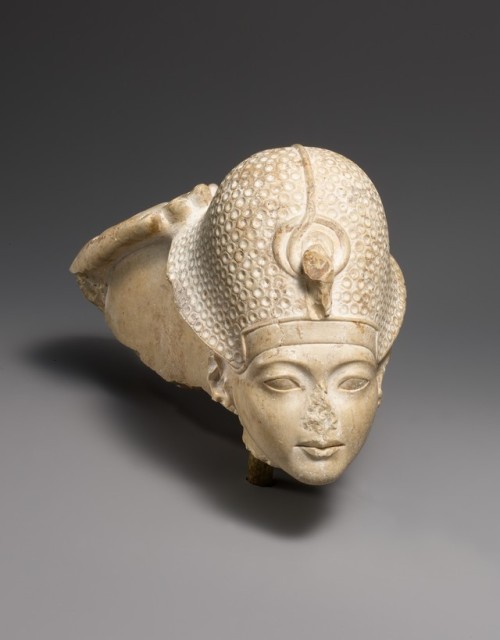
Limestone head of the 18th Dynasty pharaoh Tutankhamun (r. ca. 1334-1325 BCE) being caressed by the
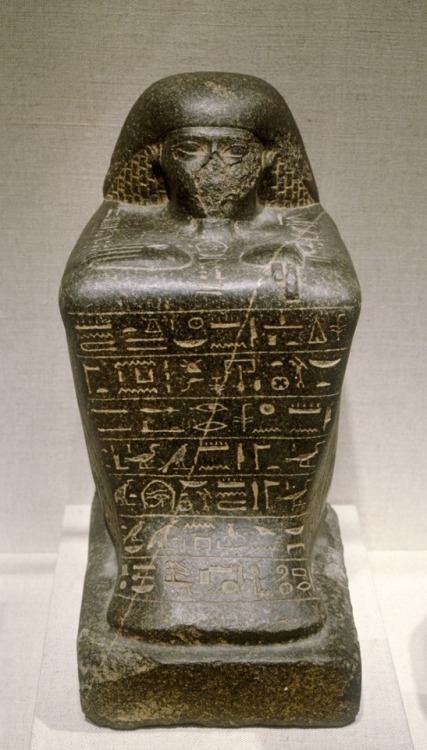
Inscribed block statue (black granite) of Irj-aa, a priest of Amun. Artist unknown; ca. 750-664 BCE
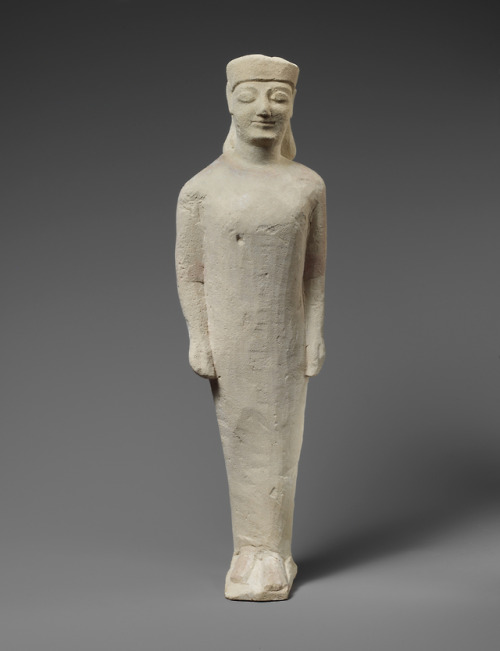
Ancient Greek limestone statuette of a male votary. Artist unknown; 6th cent. BCE. From Cyprus; no
The “Berlin Gold Hat,” made between 1000-800 BCE. This hat, which resembles several others that have
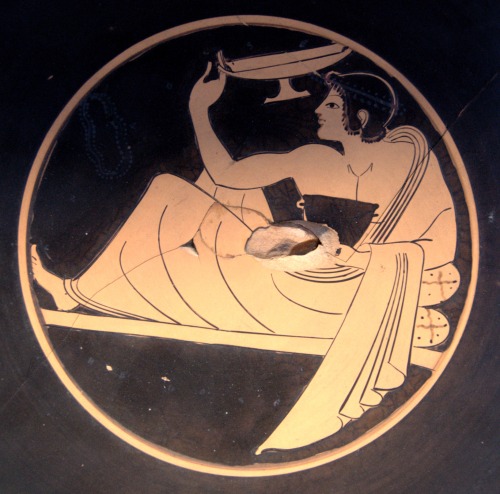
This Greek kylix from 510 BCE depicts a man playing Kottabos. Kottabos was a drinking game played by
An ancient legend confirmed?Around 2,000 BCE the bronze age was opening, and (as the story has it) a
gemma-antiqua:Ancient Greek gold earrings with pendants of amphoras, dated to the 2nd century BCE. I
Prev Page
Next Page