TumblrPics.com
HOME
DMCA
Live
Gallery
Viewer
Mesopo
havecrayonswilltravel
yellohdazee
naryamirie
cloudmango
redrumpeach
LIVE
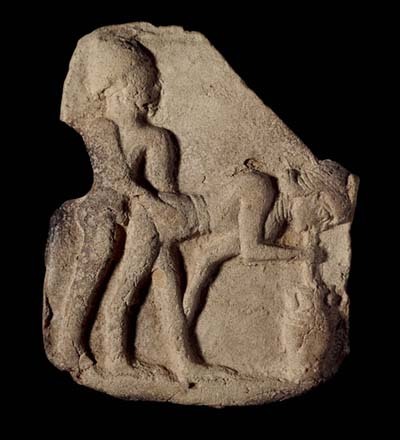
Ancient Babylonian terracotta plaque depicting beer and sex, circa 1800 BC.
Model: @pavkat Sri Lanka
AS we are nearing completion of our Ancient Egypt teaching materials (made possible with our last fu
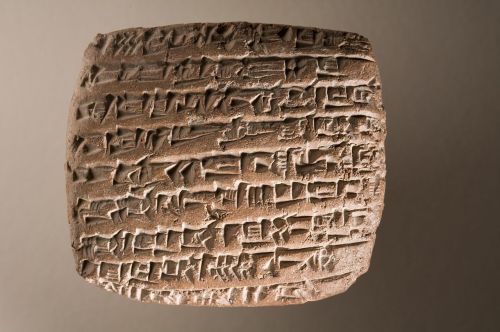
Ancient Mesopotamian cuneiform tablet and figurine discovered in a tomb dating to around 2,500 BC.Th
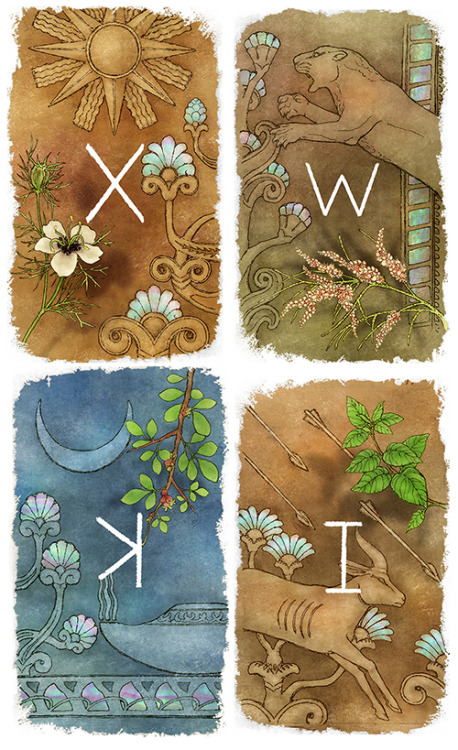
The Phoenician Oracle (only nine more to go!! \(´▽`)/) Taw - “Mark” Oracular meaning: Purpose, iden
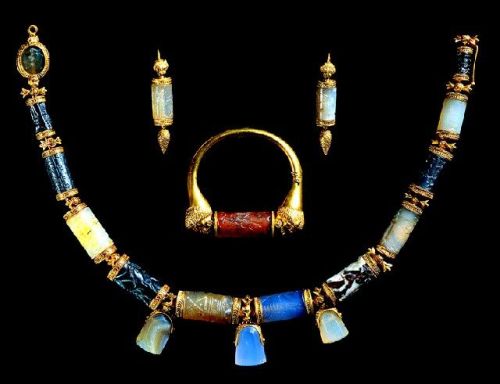
Lady Layard’s jewelry. From Nimrud, Mesopotamia Assyrian culture
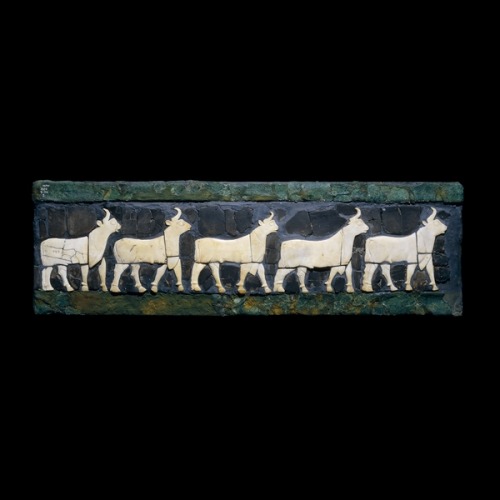
Copper frieze From the Temple of Ninhursag, Tell al-‘Ubaid, southern Iraq, around 2600 BC
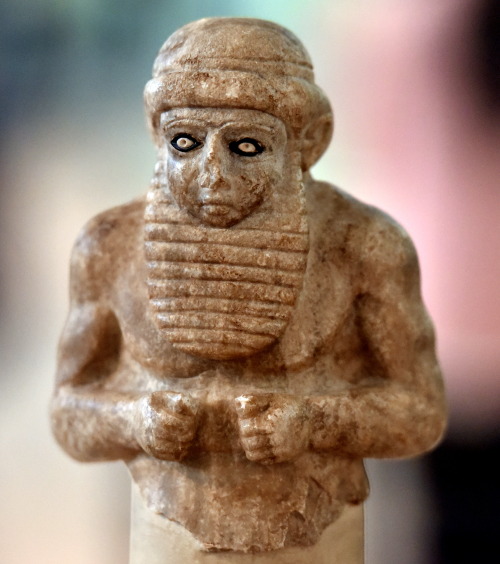
Alabaster statue of a male priest, from the ancient Mesopotamian city of Uruk. Artist unknown; ca. 3
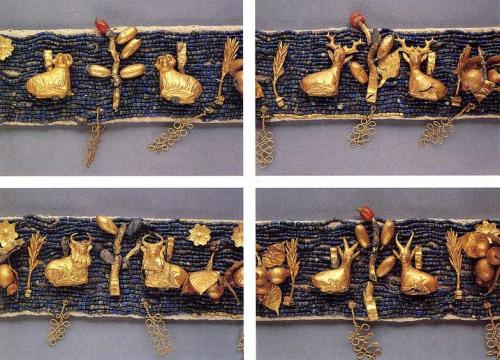
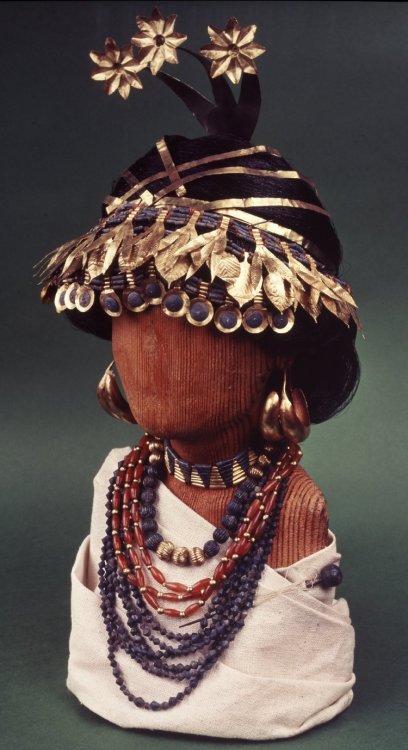
Diadem found in the tomb of Puabi at the Royal tombs of Ur
parsabad:Lunar eclipse/ PERSPOLIS/ Fārs/ IranPhotographer: amir sadeghian
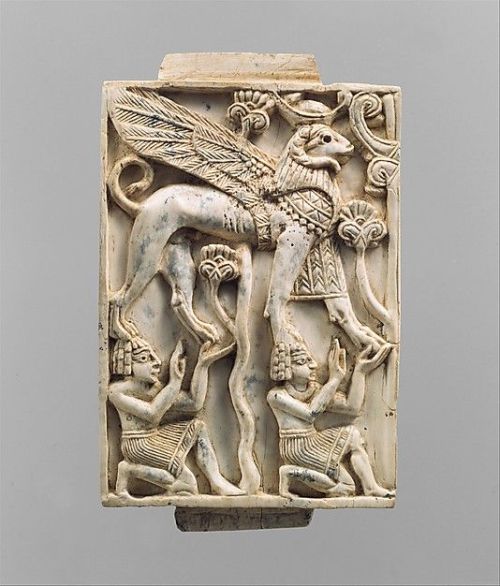
Plaque with two kneeling youths supporting a ram-headed sphinxPeriod: Neo-AssyrianDate: ca. 9th–8th
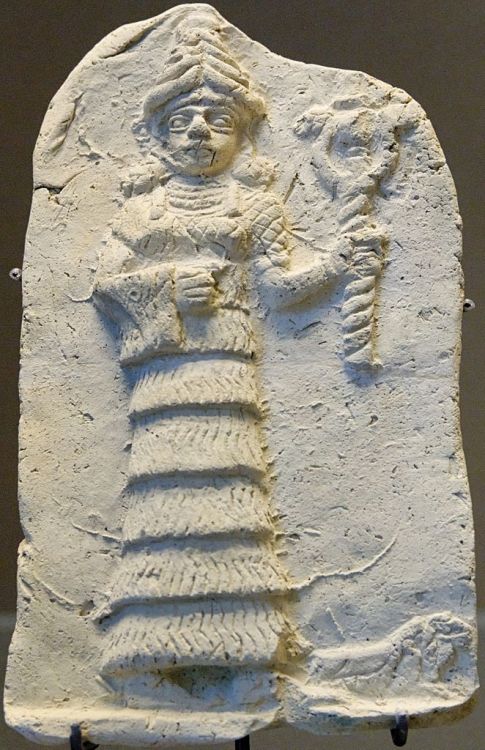
Ishtar holding her symbol. Terracotta relief, early 2nd millennium B.C. From Eshnunna, Sumer
Head of an thought to be Sargon of Akkad, discovered in the temple of Ishtar at Nineveh c. 2200 B.C.
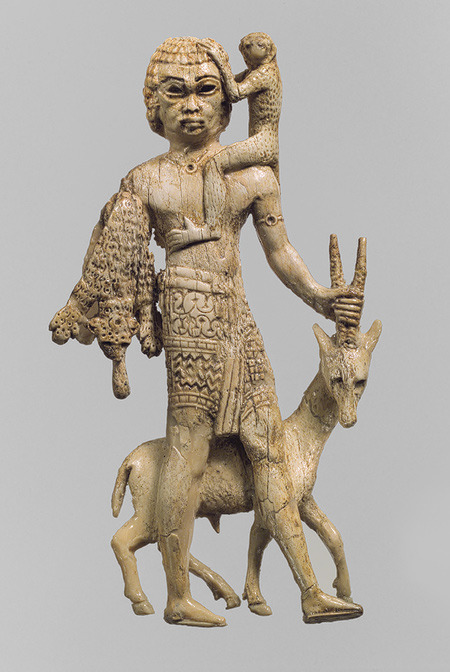
Nubian with oryx, monkey, and leopard skins, 8th–7th century B.C.; Neo-Assyrian period; Phoenician s
a-gnosis:Here’s some more from Greek Myths and Mesopotamia: Parallels and Influence in the Homeric H
This pendant, one of the earliest types of glass found in Mesopotamia, may represent the goddess Ish
peashooter85:The Hymn of Ninkasi, The Ancient Sumerians loved their beer. In fact they love their b
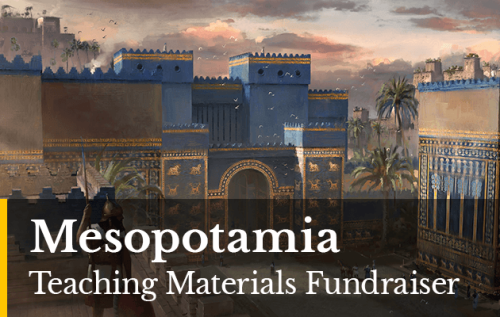
THANKS to your support, we’ve raised over 60% of our fundraising goal for Mesopotamia Teaching
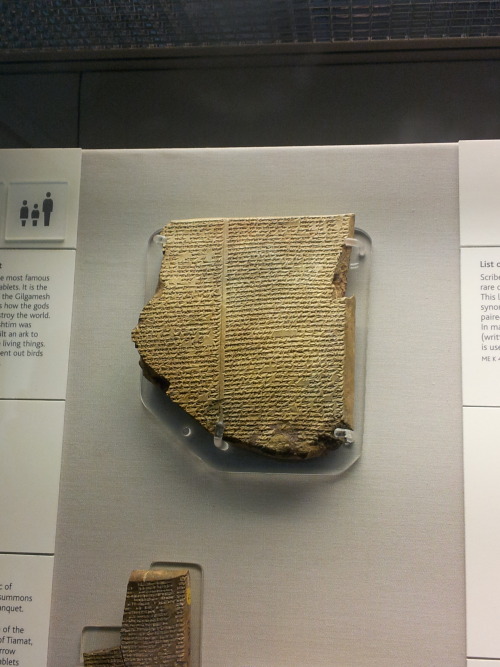
Flood Tablet of the Epic of Gilgamesh from the Library ofAshurbanipal (Nineveh, 600s BC).Gilgamesh w
This Phoenician-style plaque shows a griffin (a creature with a lion’s body, falcon’s he
Ancient Sumerian necklaces and headdress discovered in the tomb of a woman named Puabi who was eithe
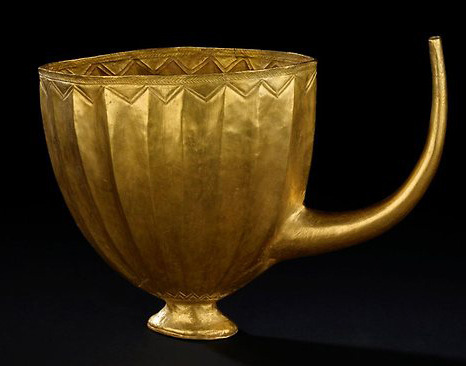
Ancient Sumerian gold beer mug, 2,600 BC. The straw was used to help filter out particulates remain
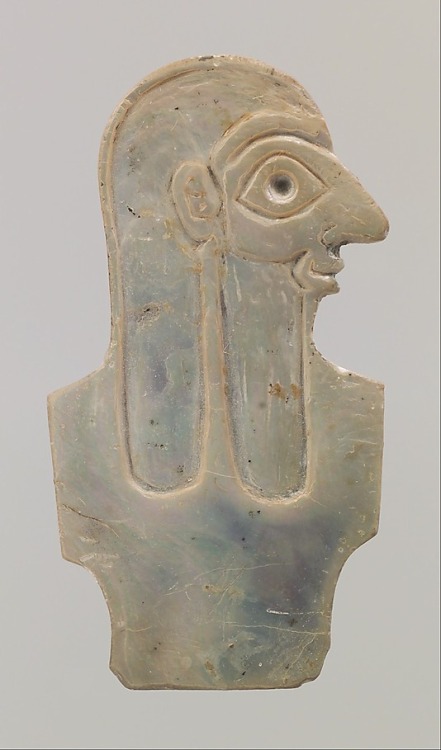
Shell inlay depicting male torso, Early Dynastic IIIa, ca. 2600–2500 B.C.E., Mesopotamia, Sumerian
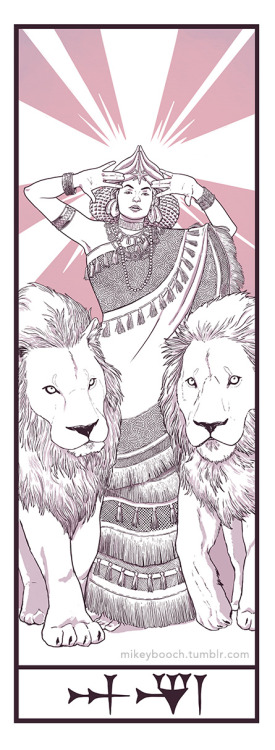
Four love goddesses from different cultures.
Prev Page
Next Page