TumblrPics.com
HOME
DMCA
Live
Gallery
Viewer
Mesopotamia
ningheim
0x1lovesungz
ivankramskoi
nychucow
third age
LIVE
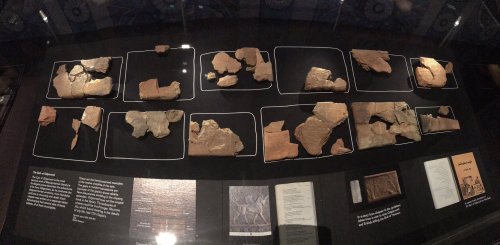
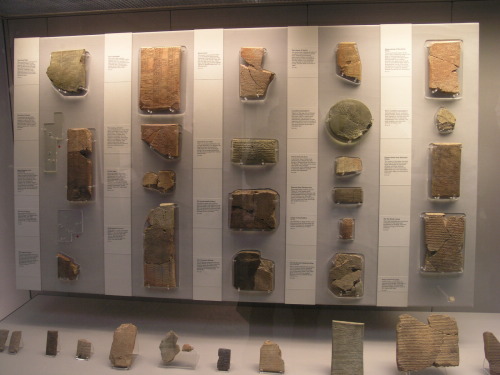
Room 55 at the British Museum, showing tablets from the Library ofAshurbanipal. This display i
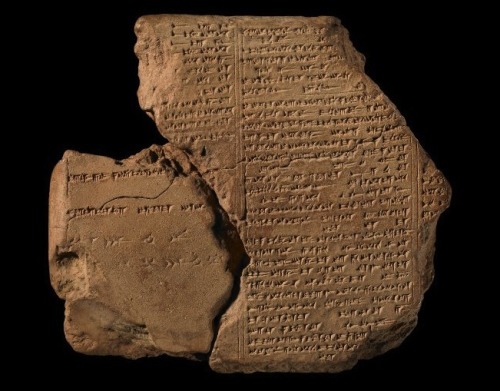
massarrah:Literature from Mesopotamia: The Epic of Gilgamesh, Tablet 6This Neo-Assyrian tablet prese
Lapis-lazuli and gold bull head fragment of ancient lyre from Ur
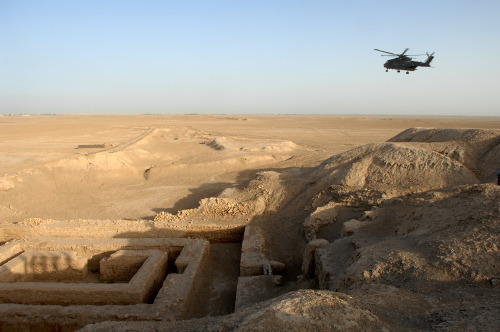
Aerial view of the Sumerian archaeological site of Uruk (Warka, Iraq).The history of Sumer is from c
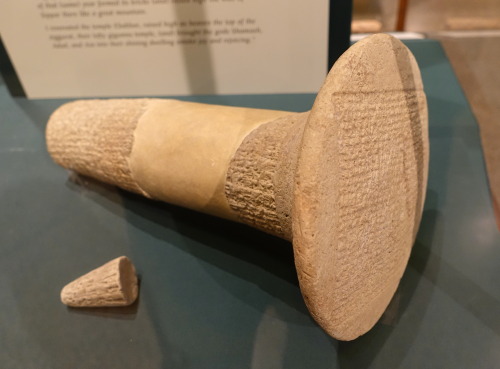
A sikkatu (cone/peg) inscribed in the Sumerian and Akkadianlanguages from the reign of Samsu-iluna (
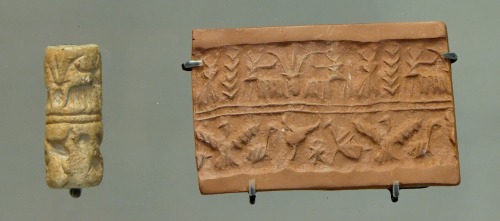
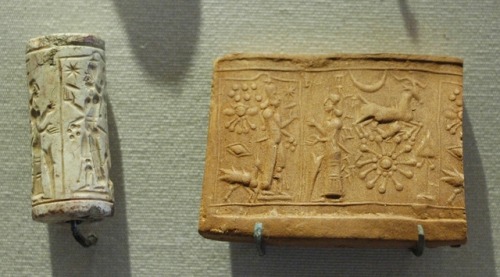
[Left]Cylinder seal impressionFrom cylinder seal. Mesopotamia, Babylonian period. 1700 BC, hematitep
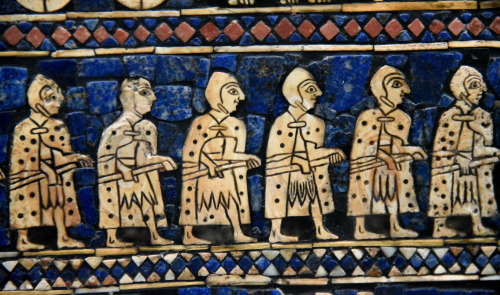
Details from the war scene of the Standard of Ur (Sumer, c. 2500 BC).Sumer was the southernmost regi
Ancient Mesopotamian cylinder seal with impression, depicting a banquet scene. Artist unknown;
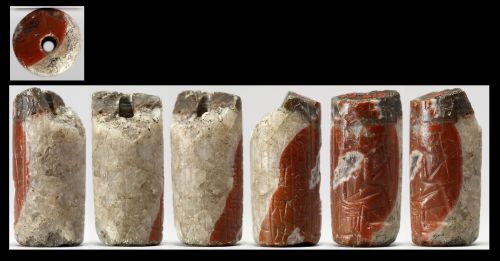
Kassite Cylinder Seal, dates to between 1595 and 1155 BC (Middle Babylonian). The impressi
The twelve tablets of the Epic of Gilgamesh from the Library ofAshurbanipal (600s BC), held in the B
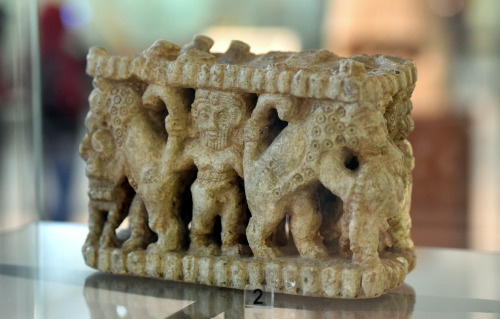
Sumerianstone sculpture with Gilgamesh wrestling two bulls; two lions alsoappear. Found in the
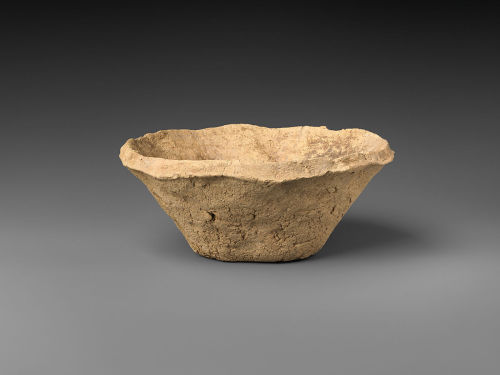
Bevelled-rim bowl (Nippur, c. 3300 – 3100 BC). Ceramic, 8.2 x 19.0x 19.0 cm. Late
Limestone pendant in the form of a two-headed animal (probably Warka, 3300 - 3000 BC). 5cm hig
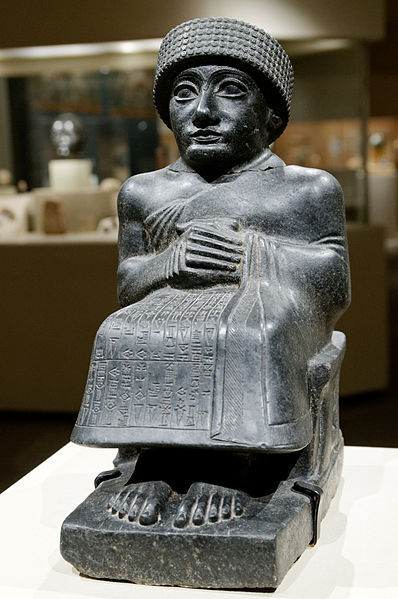
Gudea, of Lagash in Southern Mesopotamia, ruled c2144 - 2124 BC.Met Museum
Ishtar
Ishtar
speciesbarocus:After 7 years of closure, the Damascus National Museum reopened its doors on Oct. 28.
Statue of Horus, Temple of Horus, Edfu, Egypt (332-30 BCE)“After Egypt became a part of the Ro
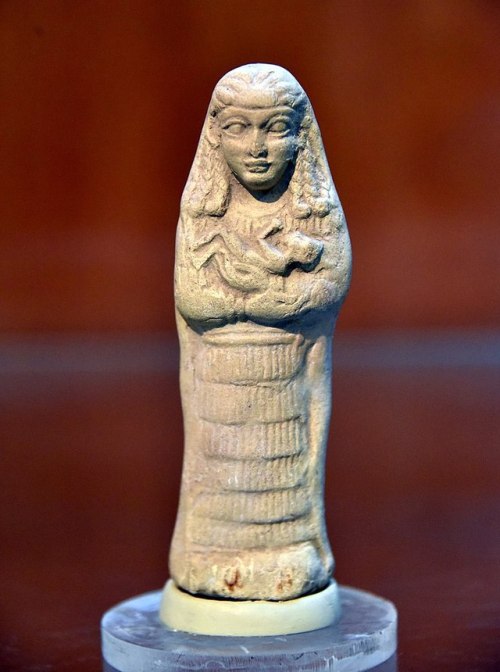
Old Babylonian fired clay plaque depicting a woman holding a child. Artist unknown; 2003-1595&
Ancient Babylonian terracotta figurine of a standing nude woman. Artist unknown; between ca. 1
Limestone cylinder-seal from Mesopotamia, depicting the worship of the sun-god Shamash. Artist
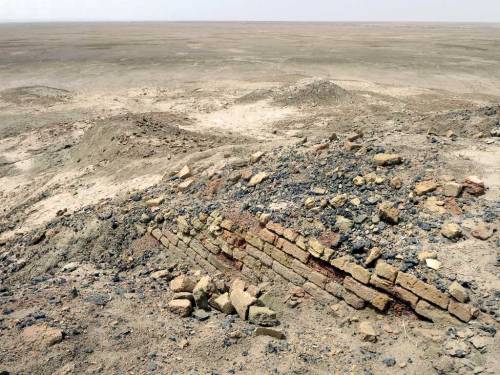
Ruins of the ziggurat at Eridu (Sumer). Some of the baked bricks arestamped with the name of Ur-Nam
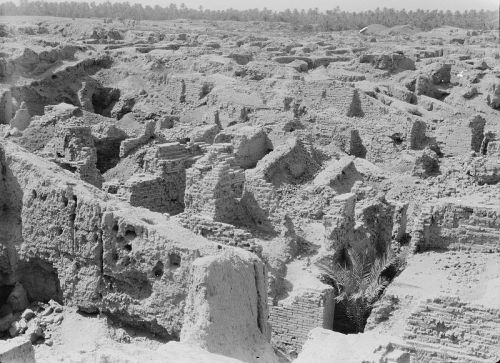
Top: Plan of the ruins of Babylon, 1905. Bottom: Ruins of Babylon, 1932.
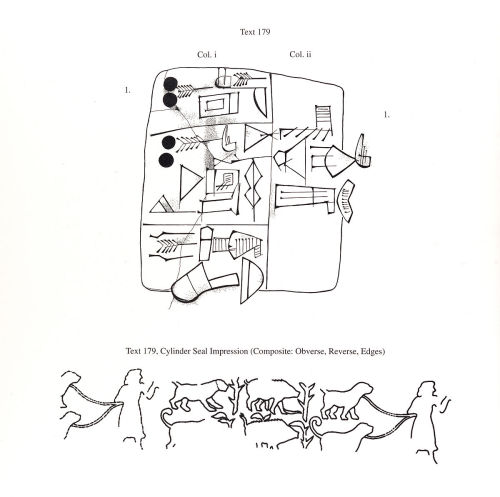
Sumerian proto-cuneiform tablet (c. 3100 – 2900 BC). Administrative account of barley distribu
Prev Page
Next Page


![[Left]Cylinder seal impressionFrom cylinder seal. Mesopotamia, Babylonian period. 1700 BC, hematitep](https://64.media.tumblr.com/1e1bde5d0ca48d27c92e3d545c79053c/50779d4c18f1ad57-32/s500x750/05c635f2ddf259a1b74785c7122b157a6d2a9e76.jpg "[Left]Cylinder seal impressionFrom cylinder seal. Mesopotamia, Babylonian period. 1700 BC, hematitep")