TumblrPics.com
HOME
DMCA
Live
Gallery
Viewer
Rom
im youngmin
e pd101
huckblade
president camacho
whipoutyadick
LIVE
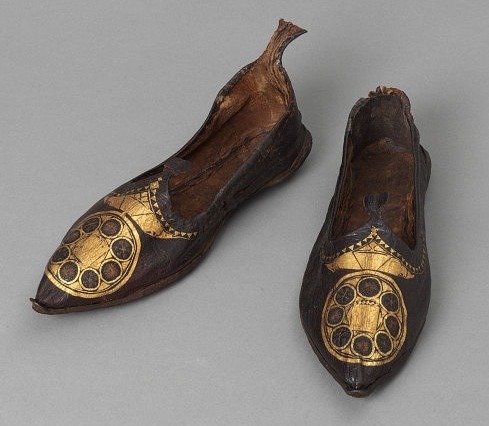
Pair of shoes, leather with gilding and embroidery. Coptic, Egypt ca. 300-500 A.D.
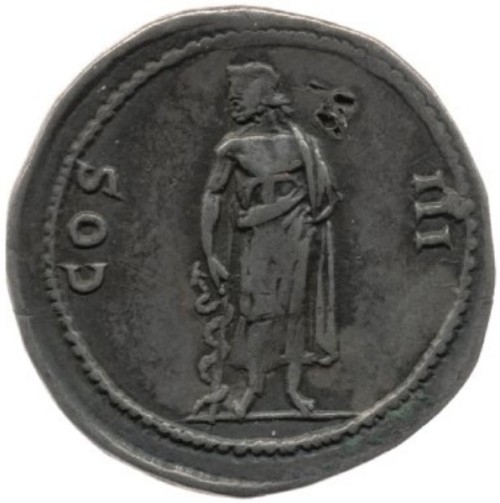
honorthegods:Roman deities honored on January 1. All photos © The Trustees of the British Museum. Im
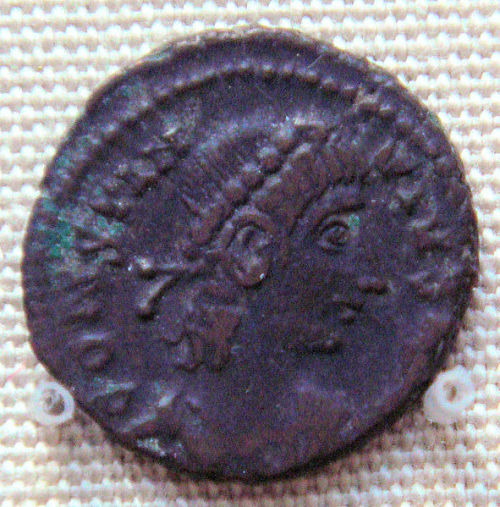
Ancient Roman bronze coin of Constantius II (337-361 AD) found in Karghalik (Xianjiang Province), Ch
Presbyter Arius and the Bowel Movement of Death When Emperor Constantine legalized Christianity i
Lateran baptistery apse mosaics, 5th century CEPic quality could be better, but the place was rathe
desimonewayland:Fragment of Panel with ThomasMade probably in Egypt 350-399This fragment came from a
myth-boy:Classical Language Learning MasterpostI’m not studying any Greek or Roman this coming year
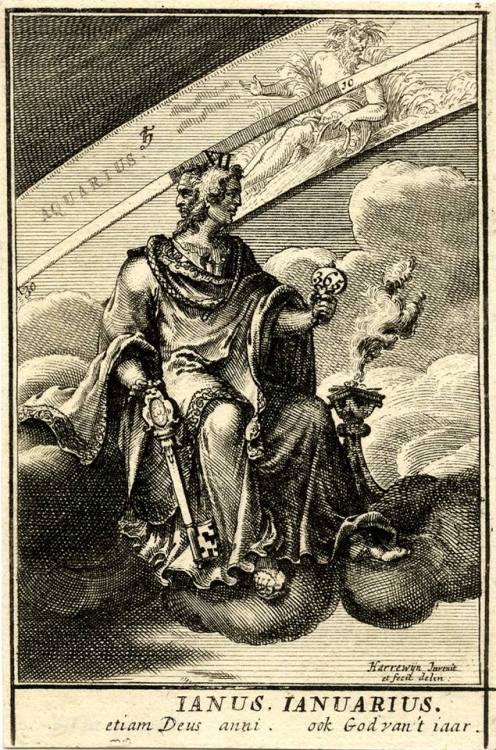
Happy 2020 everyone!Janus is the god of beginnings, gates, transitions, time, duality, doorways, pas
thegetty:The Roman god of beginnings looks both ways, over past and future.Janus-head flask, 1st cen
Antoninus Pius, aka TITVS AELIVS HADRIANVS ANTONINVS PIVS AVGVSTVS, (841-864 ab urbe condita)Fourth
Marcus Aurelius, aka MARCVS AVRELIVS ANTONINVS AVGVSTVS, (914-933 ab urbe condita) Fifth member of m
Hadrian, aka PVBLIVS AELIVS TRAIANVS HADRIANVS, (852-891 ab urbe condita) There’s a lot going on her
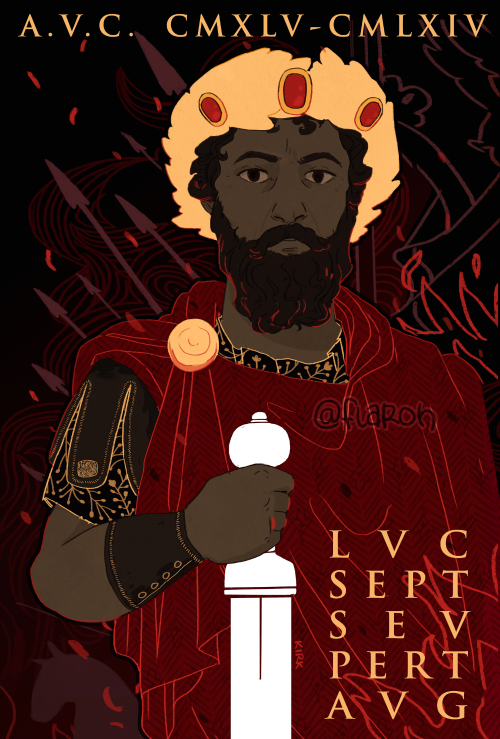
Septimius Severus, aka LVCIVS SEPTIMIVS SEVERVS PERTINAX AVGVSTVS IMPERATOR (944-964 ab urbe condita
January is named after the Roman god Janus. He had two faces to see the future and the past! This en
lostprofile:ROMAN TRIUMPHAL ARCHES1. Arch of Constantine, AD 313, Roman Forum2. Arch of Hadrian, c.
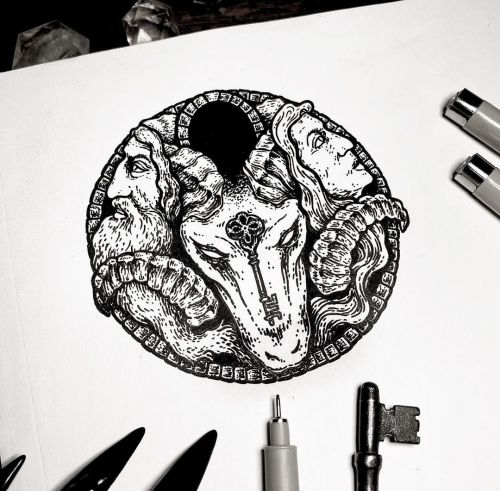
First drawing of the new year: An ode to Janus. Janus is the Roman god of beginnings and endings. A
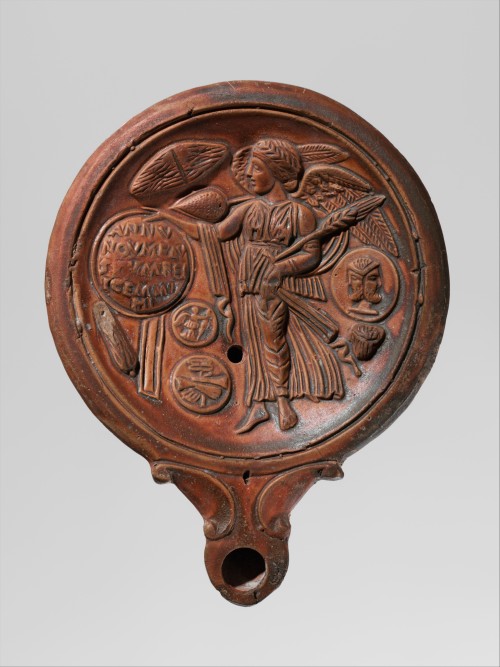
Terracotta oil lamp decorated on the discus with a winged Victory holding a shield, inscribed with a
A head of Janus, dating to the Roman period. Janus, one of the few original Roman gods (as opposed t
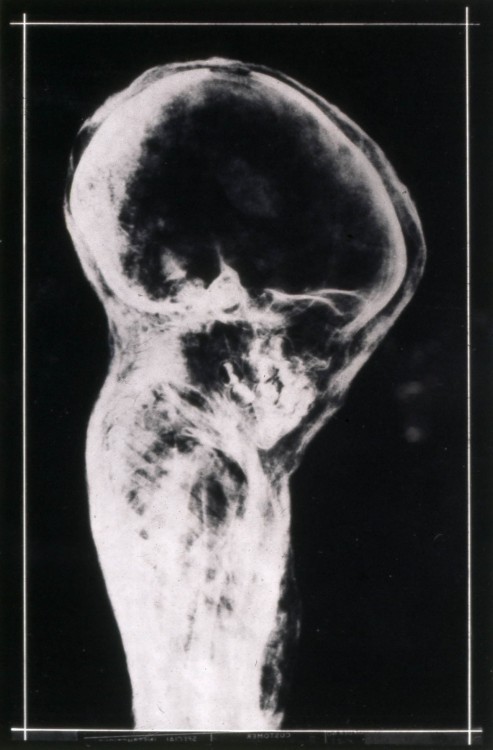
Mummy x-ray of a young male child. Name unknown (Roman Period) ~ British Museum Archives
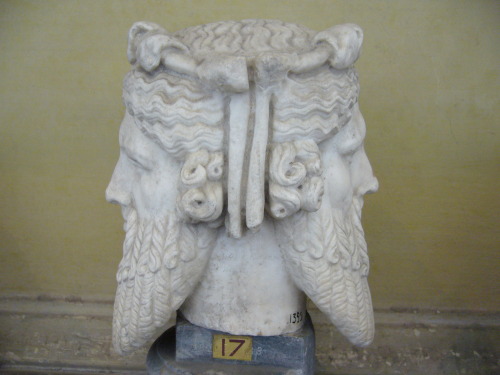
Head of Janus, the two-faced Roman deity of entrances and exits. Now in the Vatican Museum. Photo
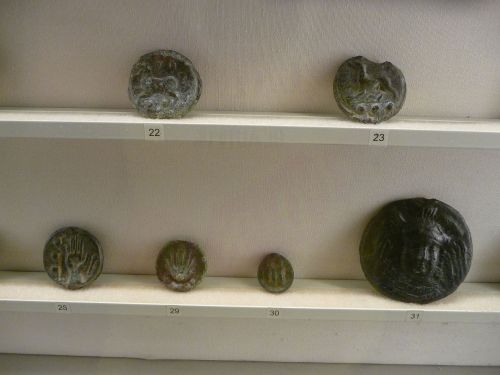
Palazzo Massimo - early Roman bronze coinsAes grave (heavy bronze), 4th century BCE(Pic 2: Roman As
chasing-yesterdays:Janus-head flask, 1st century A.D., eastern Mediterranean. Glass, 3 7/16 in. high
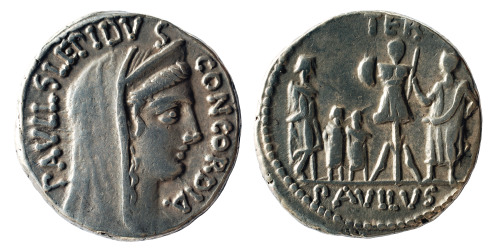
Denarius (62 BCE) of Lucius Aemilius Lepidus Paullus. On the obverse, the goddess Concordia (Concor
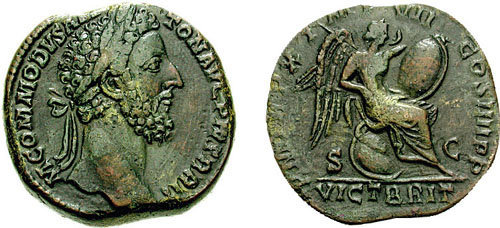
Sestertius of the notorious Roman emperor Commodus (r. 180-192 CE), issued to celebrate the quelling
Prev Page
Next Page